



Rule Would Require AEB in New Cars
Proposal intended to protect pedestrians and reduce traffic deaths and injuries overall.

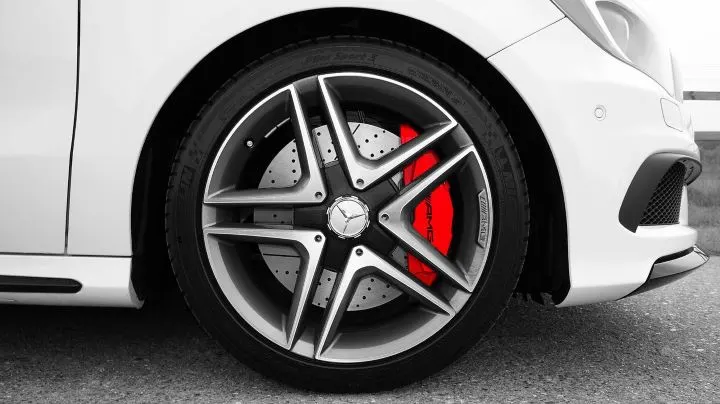
The Transportation Department says the rule would dramatically cut accidents involving pedestrians and rear-end collisions.
IMAGE: Pixabay/Mikes-Photography
The U.S. Transportation Department has proposed that most new light vehicles come with automatic emergency braking.
It says the rule, if adopted, would dramatically cut accidents involving pedestrians and rear-end collisions, saving at least 360 people’s lives and preventing 24,000 injuries each year.
“Many crashes would be avoided altogether, while others would be less destructive,” the department said in a press release announcing the proposed rule.
It’s part of an effort the department started last year to address what it calls a national crisis in traffic fatalities and serious injuries. Many late-model vehicles already have the technology, but the rule would make it a requirement.
“Just as lifesaving innovations from previous generations like seat belts and air bags have helped improve safety, requiring automatic emergency braking on cars and trucks would keep all of us safer on our roads,” said Transportation Secretary Pete Buttigieg.
The rule would require an autonomous emergency braking system, or AEB, which tracks the road in front of a moving vehicle and stops the vehicle to avoid any collisions if the driver hasn’t done so. It would also apply additional braking force to supplement the driver’s braking if needed to avoid or lessen the severity of a crash.
The proposal is part of the infrastructure law passed by Congress in 2021. If adopted, AEB systems would be required in new vehicles within three years of it being finalized. There’ll be a 60-day public comment period on the proposal before it’s final.
Originally posted on Auto Dealer Today
More Showroom
New-Vehicle Prices Stay Put
Affordability pressures and model availability shaped new-vehicle sales in September, according to an analysis by Kelley Blue Book.
Read More →
EV Buyer Consideration Shifts
What drives American consumers to purchase an electric vehicle is shifting as the question moves away from Should I?' to 'Which features and experience do I want to have?'
Read More →
Year-to-Date Auto Sales Holding Their Own
A forecast through August shows that automakers have shifted strategies to keep deliveries and revenues up despite tariffs and other economic challenges.
Read More →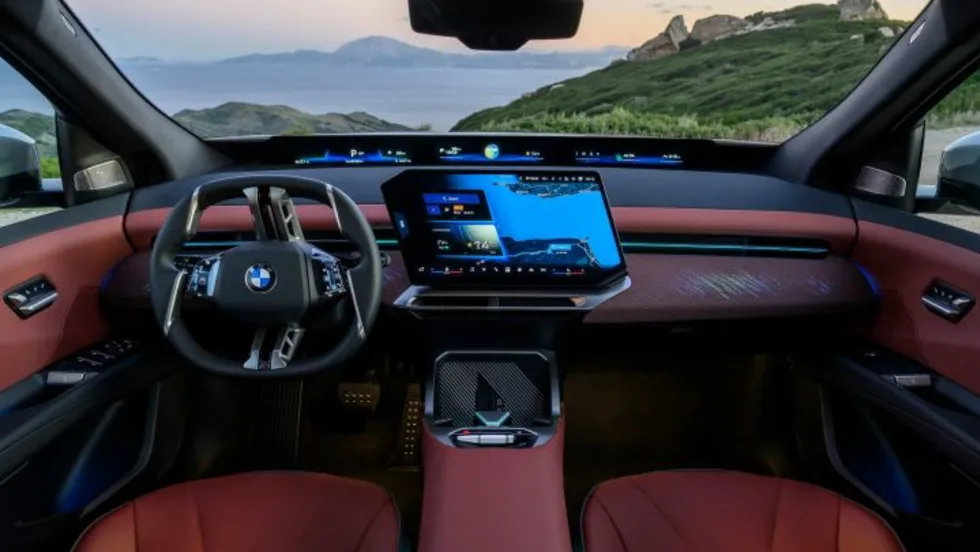
Slow to Robo
Ten years of polling consumers shows autonomous vehicles’ profiles have risen considerably, but even more people now want at least some level of control if they go that route.
Read More →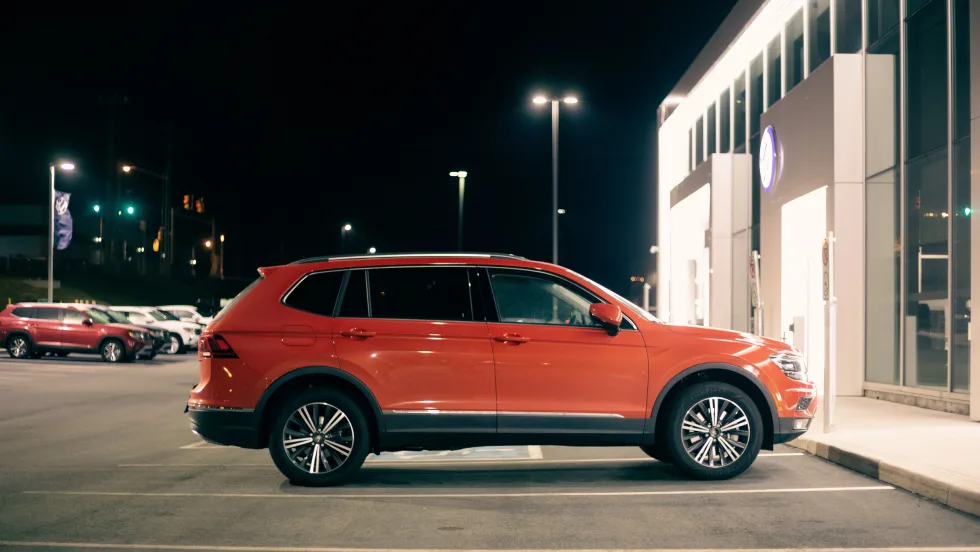
Dealers a Little Down
A third-quarter Cox Automotive survey finds them in a mixed mood, bummed by fallen customer traffic but encouraged by better profits, costs and EV interest.
Read More →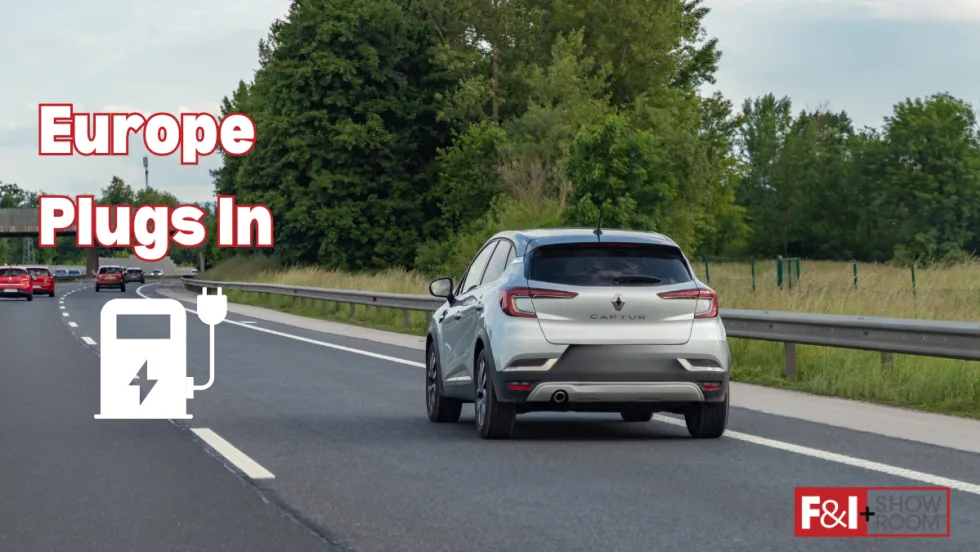
European EV Sales Skyrocket
The EV market on the continent held strong in July with almost 25% of new-car sales being fully electric units, a stark contrast to the U.S., where EV sales declined about 42%.
Read More →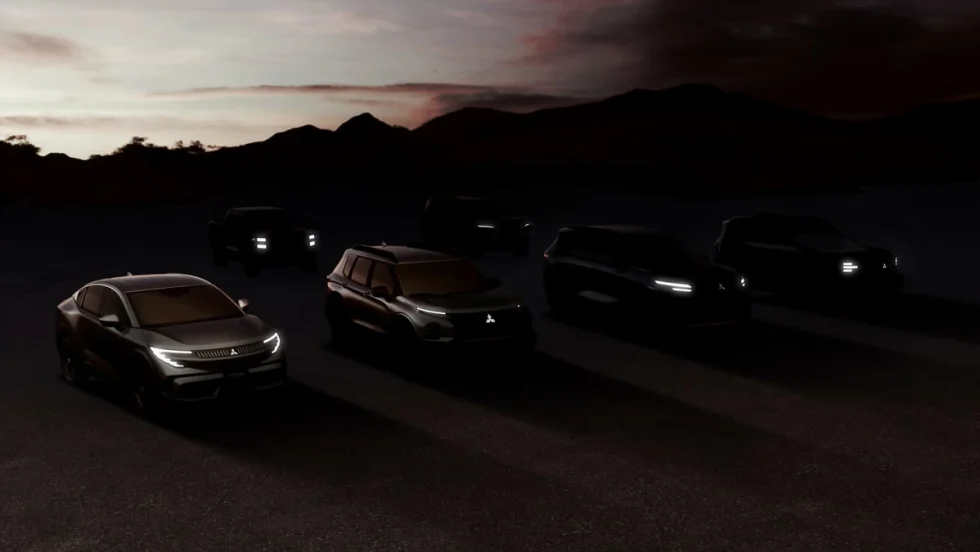
Mitsubishi Unveils U.S. Plan
The automaker announced a strategy that includes an expanded lineup and dealership presence, along with more ‘rugged’ and electric models.
Read More →
Used Lots Getting the Business
Many consumers are seeking out the units to save money, and the demand – higher in July than normal – is keeping supply limited and prices up.
Read More →
Used Market Stabilizes
The Carfax Used Car Index noted a major drop in used-vehicle price increases in July after several months of hikes.
Read More →
California Hybrids Reach State Record
The Golden State still leads the country in electric-vehicle registrations, but much like the rest of the U.S. its hybrid market share is up while full electrics stabilize after a dramatic first-quarter dip.
Read More →