



SAAR Dips to 16.6M in Watershed Sales Report
July deliveries increased 1.3% in the first monthly U.S. new-vehicle sales report to include none of the Detroit 3 automakers, but the seasonally adjusted annualized rate fell below 17 million for the fourth time this year.

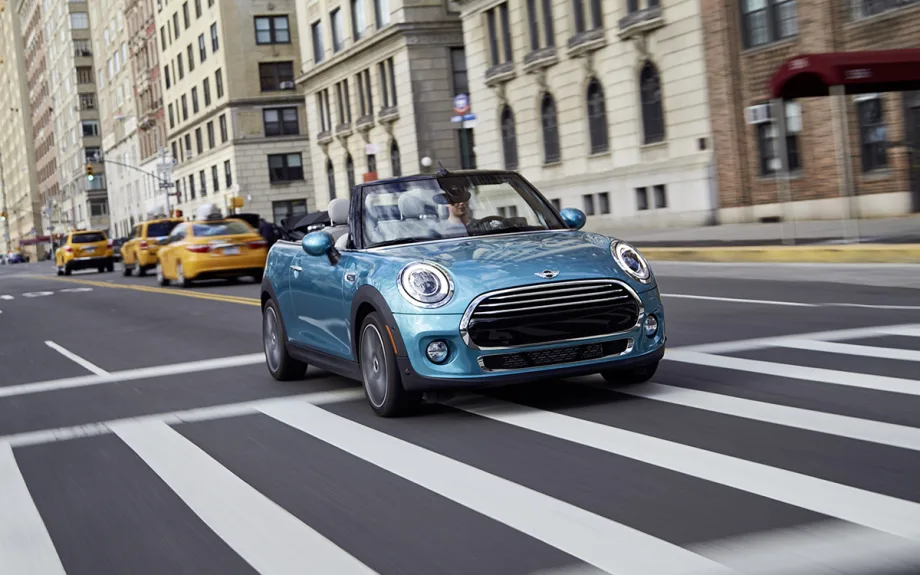
Mini was one of only three manufacturers to record a year-over-year decrease in the latest U.S. new-vehicle sales report, delivering fewer than 3,000 units in July for a 34.2% decline. Each of the Detroit 3 factories declined to report monthly sales for the first time.
Photo courtesy Mini USA
(Bobit) — The seasonally adjusted annualized rate of U.S. new-vehicle sales fell below 17 million for the fourth month of the year so far in July, registering at 16.6 million after climbing to 17.29 million in June.
The July sales figures, based on data compiled by Automotive News, show deliveries increased 1.3% nationwide compared with the same month a year ago. But it is the first such report that excludes the Detroit 3 entirely, with Ford and Fiat Chrysler following General Motors’ example by switching to quarterly releases.
“The absence of companies representing 45% of U.S. sales will undercut the value of the monthly data as a barometer of the industry’s health,” AN’s David Phillips wrote.
Among mass-market manufacturers, Hyundai set the pace with a 12% year-over-year improvement, completing a 12-month run of monthly sales increases. Subaru extended its own streak to 92 months, growing sales by 7.9% in July. They were followed in the winners’ column by Toyota (3.6%), Volkswagen (2.2%), Honda (1.9%), and Kia (0.6%).
Each of the major highline marques showed improvement as well, led by Genesis (158%), Porsche (23%), and Jaguar (7.4%). Modest gains were reported by BMW (4.7%), Land Rover (4%), Volvo (2%), and Audi (0.8%).
Another source, Inside EVs, estimated U.S. Tesla sales totaled 15,650 units in July, which would be a 30.4% improvement from June.
Factories seeing declines included Mini (-34%), Mitsubishi (-13%), and Nissan (-9.1%). Nissan has ratcheted down incentives for buyers while remaining highly aggressive on lease deals.
In a statement, Cox Automotive’s chief economist, Charlie Chesbrough, said the report reflected the firm’s own forecasts.
“Clearly, the market remains on solid ground and buyers are still in the new-car market even with higher prices,” Chesbrough wrote. “Strong sales of some small cars may suggest that affordability shoppers have not entirely abandoned the new-vehicle market. Given the strength of used-vehicle prices, and supply constraints limiting selection, more interest in lower-priced new vehicles is not surprising.”
Autotrader’s Michelle Krebs concurred, noting surging interest in small cars on dealer sites. “That suggests some consumers are looking for affordability and finding it in small cars, a market largely abandoned by Detroit’s automakers. As a result, sales for the two best-selling compact — Toyota Corolla and Honda Civic — were up double digits in July (15% for Corolla and 11% for Civic) to about 30,000 units each.”
Conversely, the gains enjoyed by Honda, Hyundai, and Subaru are largely credited to larger vehicles, noted Stephanie Brinley of IHS Markit.
“Mercedes-Benz and BMW are also seeing sales improve from updated or all-new utility vehicles,” said Brinley, IHS’s principal automotive analyst. “Many of these, like the Hyundai Palisade, Honda Passport, and BMW X7, put the brands in new segments with a product that enables them to counter the slowdown in their more traditional sedan lineups.”
Industrywide, J.D. Power estimates per-unit incentive spending grew 5.8% to $4,074 month-over-month. ALG analysts say average incentives declined by 2.6% to $3,671, with Kia (-17.8%), Toyota (-9.3%), Subaru (-9.1%) among the chief culprits.
Edmunds reports the average interest rate for a new-vehicle loan fell to 5.8% in July, a new low for 2019, with 35% of all new-car buyers securing a sub-4% interest rate, up from 31% in June.
To read the full Automotive News report, click here.
Originally posted on Auto Dealer Today
More Showroom
California Sees Quarterly Gains
California’s new-vehicle market saw a boost in hybrids in the third quarter and its first overall quarterly market gain of the year.
Read More →
New-Vehicle Prices Stay Put
Affordability pressures and model availability shaped new-vehicle sales in September, according to an analysis by Kelley Blue Book.
Read More →
EV Buyer Consideration Shifts
What drives American consumers to purchase an electric vehicle is shifting as the question moves away from Should I?' to 'Which features and experience do I want to have?'
Read More →
Year-to-Date Auto Sales Holding Their Own
A forecast through August shows that automakers have shifted strategies to keep deliveries and revenues up despite tariffs and other economic challenges.
Read More →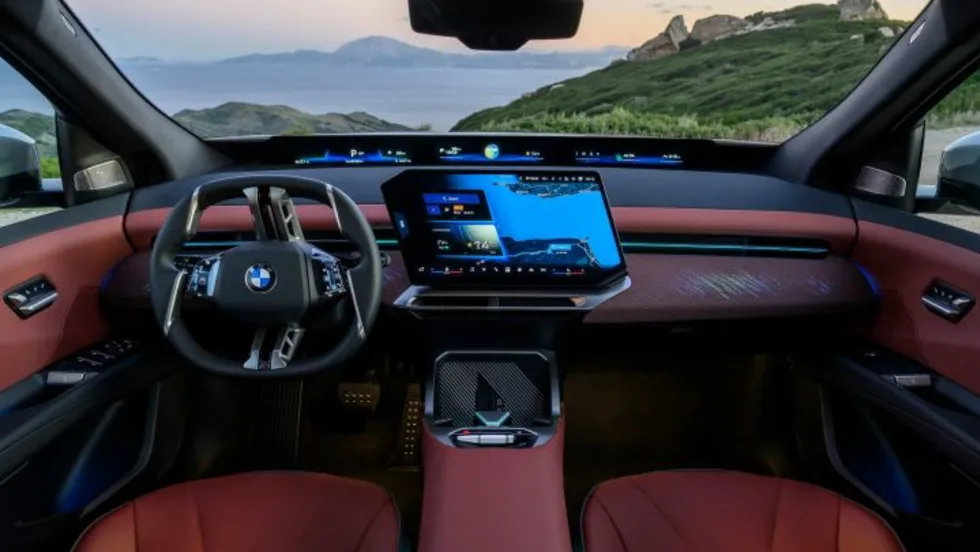
Slow to Robo
Ten years of polling consumers shows autonomous vehicles’ profiles have risen considerably, but even more people now want at least some level of control if they go that route.
Read More →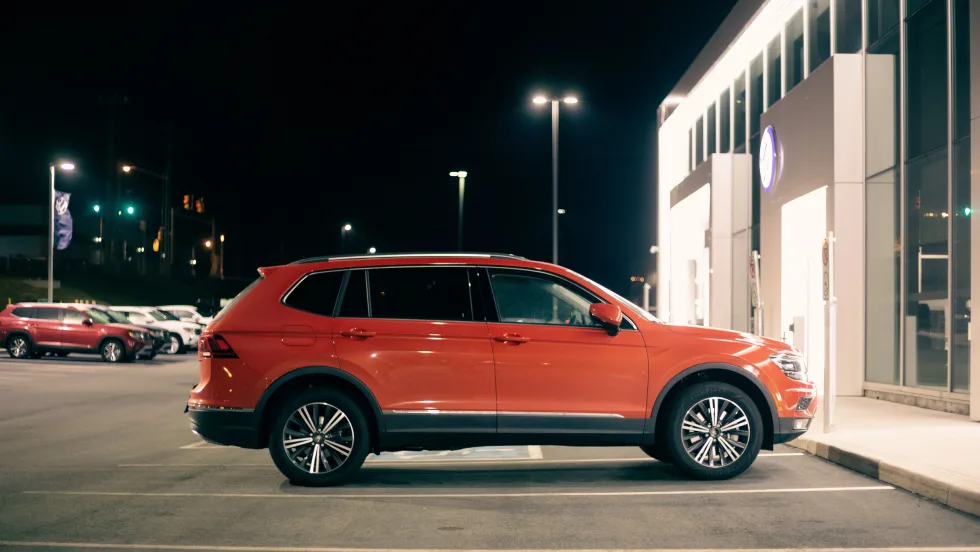
Dealers a Little Down
A third-quarter Cox Automotive survey finds them in a mixed mood, bummed by fallen customer traffic but encouraged by better profits, costs and EV interest.
Read More →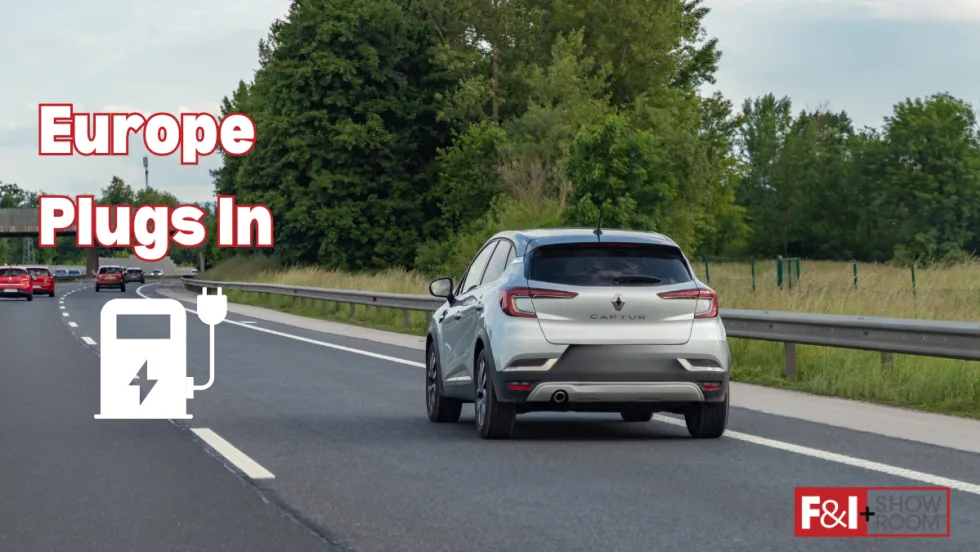
European EV Sales Skyrocket
The EV market on the continent held strong in July with almost 25% of new-car sales being fully electric units, a stark contrast to the U.S., where EV sales declined about 42%.
Read More →
Mitsubishi Unveils U.S. Plan
The automaker announced a strategy that includes an expanded lineup and dealership presence, along with more ‘rugged’ and electric models.
Read More →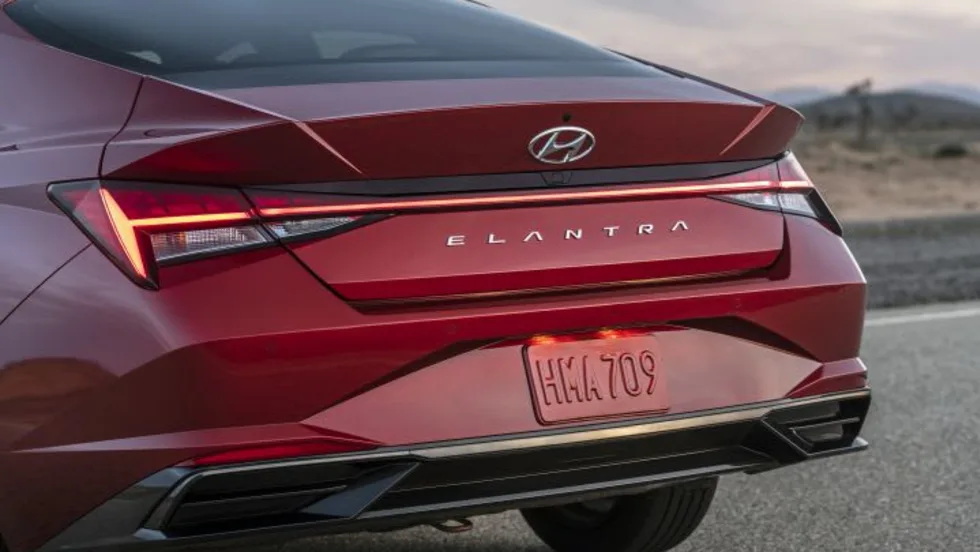
Used Lots Getting the Business
Many consumers are seeking out the units to save money, and the demand – higher in July than normal – is keeping supply limited and prices up.
Read More →
Used Market Stabilizes
The Carfax Used Car Index noted a major drop in used-vehicle price increases in July after several months of hikes.
Read More →