



Safety Features Gain Widespread Acceptance
Study shows most drivers keep them on compared to survey conducted last decade.


The percentage of time that such safety systems are kept turned on has dramatically increased since a similar study was conducted eight years ago.
Pexels/PNW Production
According to a nonprofit group study, most drivers of vehicles with crash-avoidance systems now keep the features turned on, a sign of acceptance of the technology to increase safety.
The Insurance Institute for Highway Safety survey found that nine out of 10 drivers with access to lane-departure warning and prevention systems use them all the time, and seven out of 10 with visual warnings for exceeding speed limits keep those features turned on.
The traffic safety group said lane-departure features have the potential to prevent nearly a quarter of fatal crashes of passenger vehicles but have to date not significantly impacted insurance claims and reported collisions as have forward collision warnings and automatic emergency braking.
It believes that’s because front-to-rear crashes are far more frequent than side, head-on, and road-departure ones that lane-departure features figure in. At the same time, many drivers may have also initially kept the lane-departure systems turned off to avoid their alerts. “By and large, automakers have solved that problem,” the institute says in its report.
One industry change that has apparently greatly increased use of the systems is that haptic alerts, such as seat and steering wheel vibrations, are more common now than audible alerts or are offered as an option that the driver selects, based on higher activation rates for vehicles that feature haptic alerts.
The percentage of time that the studied safety systems are kept turned on has dramatically increased since a similar study was conducted eight years ago, IIHS said.
“The results reflect a combination of better designs and a growing acceptance of crash avoidance systems, more generally,” said IIHS Research Scientist Aimee Cox, the study’s lead author. “The new designs make the feature a little harder to turn off and a lot less annoying for the driver.”
More Industry
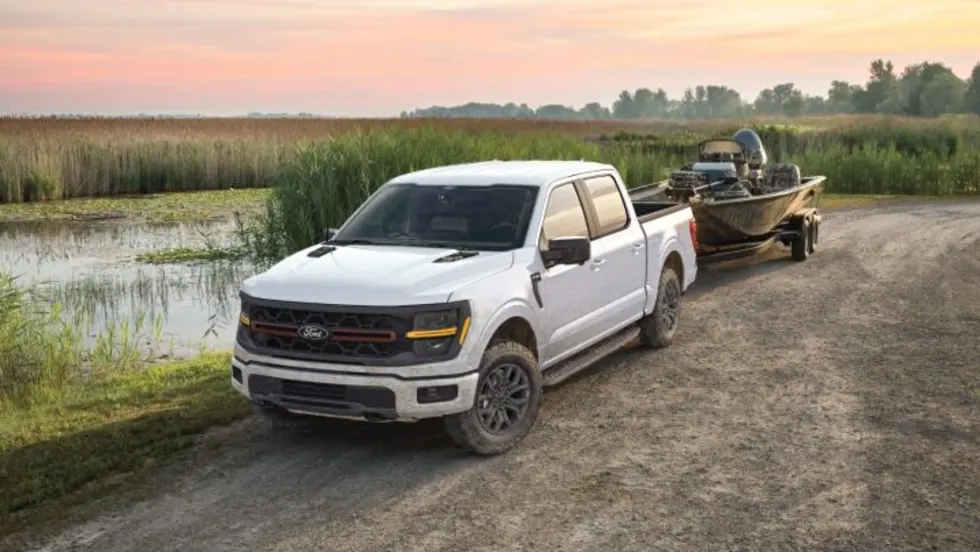
Auto Nameplate Loyalty Holds in Tough Times
Consumers have been faithful to brands despite financial pressures, and JD Power says that’s because automakers have made some wise moves.
Read More →
Top New Jersey RV Store Sells
Myer’s RV Superstore is expanding its footprint in the state with two new locations that it acquired from Ed Hutchinson Jr.
Read More →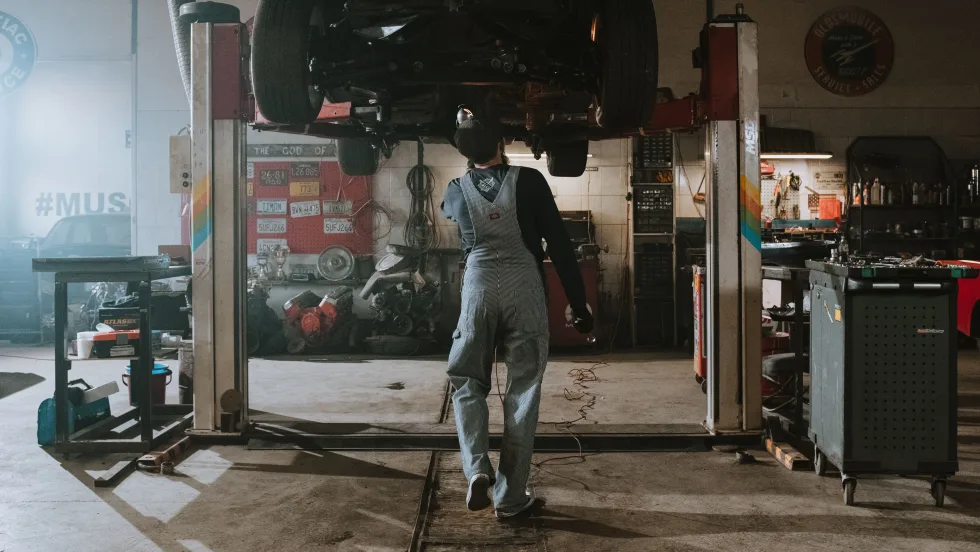
Alliance Analyzes Technician Pipeline
A new industry report examines the state of skilled trades in the U.S. and details the drivers of demand for automotive repair and how technicians enter and grow in the workforce.
Read More →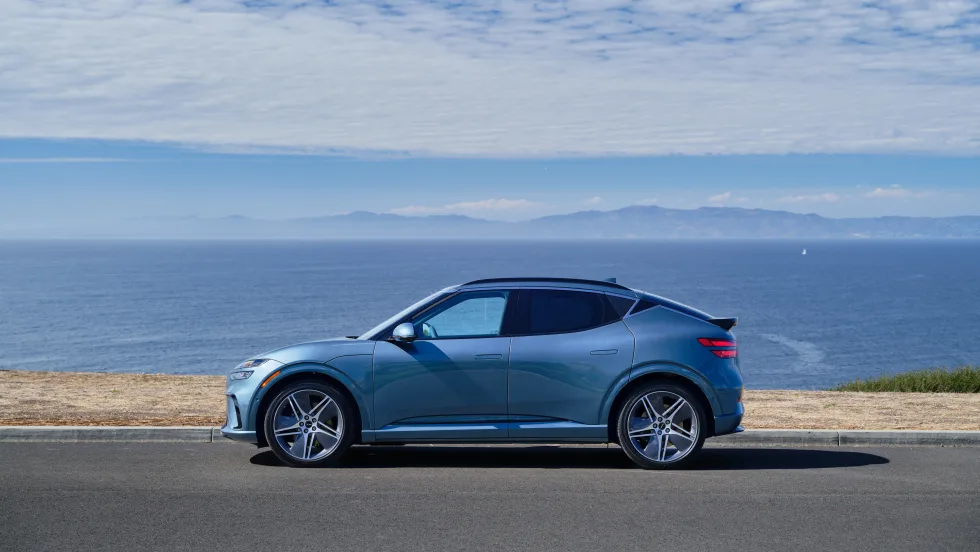
Luxury Rooftop Changes Hands
Genesis of Glenview is getting a new owner and a new location, but its name will stay the same.
Read More →
Future-Proof Your Business
A new industry outlook details several ways that automotive companies can use the rise in artificial intelligence and advanced technologies to their advantage.
Read More →
Dealership Buy-Sells Keep Going Up
First-half transactions reflect continued high appetite for acquisitions despite falling profits, the most sought-after franchises bringing record prices.
Read More →
California Makes Electric Moves
New laws in the Golden State aim to advance consumer access to public electric-vehicle chargers and reduce costs and barriers to its infrastructure.
Read More →
Rare Earths Independence
Automakers seek alternatives to sourcing battery raw materials in volatile markets roiled by trade wars and disrupted supply chains.
Read More →
Volvo Appoints President and CEO
Klaus Zellmer will replace Håkan Samuelsson as president and CEO of Volvo Cars in 2027 as the company makes strategic shifts toward profitability and cash generation.
Read More →
Fix Up Your Fixed Ops
The department may hold untapped potential for your dealership. There are ways to unearth it and turn it around for more profits.
Read More →