



Sending Out an SMS: Car Buyers Prefer Texting to Calls
PERQ’s latest Car Buyer Insights Report upends preconceived assumptions about customers, finding that the majority of website visitors are not in the ‘buy’ phase and phone calls are their least desired method of contact.
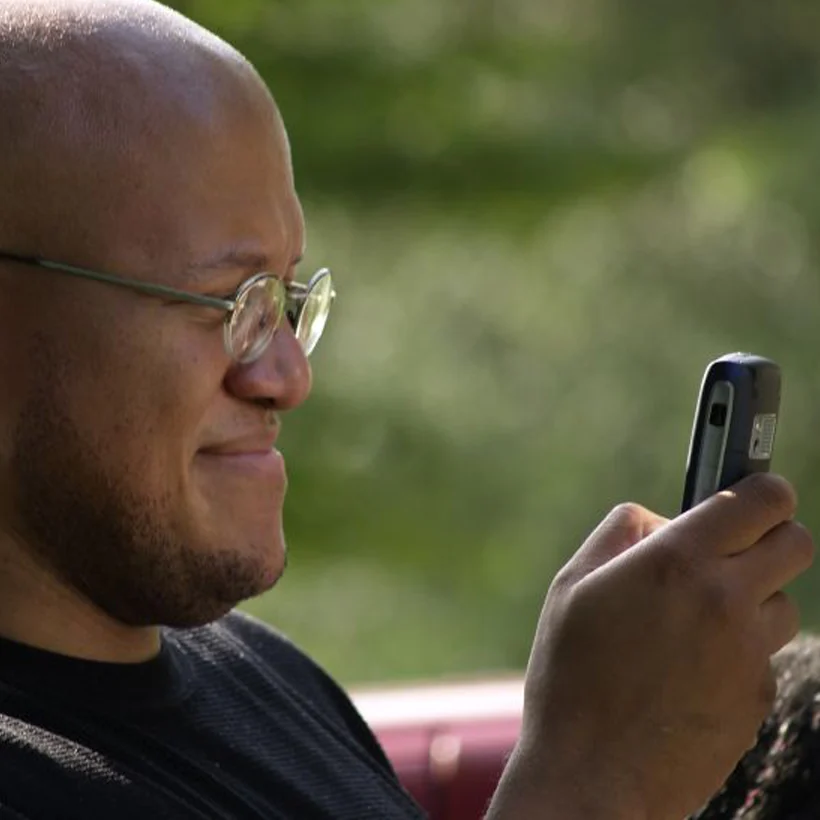

The latest edition of PERQ’s Car Buyer Insights Report finds that 24% of dealer website visitors prefer to be contacted by text, falling short of those who prefer email (67%) but far surpassing phone calls (8%). Photo by Jeffrey Kontur
INDIANAPOLIS — New data from thousands of consumer profiles studied by PERQ for the firm’s most recent Car Buyer Insights Report questions key assumptions about dealership website visitor behavior, from where these consumers are in the buying cycle to how they prefer to be communicated with, and with what content.
Among the topline findings are that, despite a prevailing view that consumers are in the “buy phase” when they reach a dealership website, the majority are, in fact, nowhere near ready to transact: 76% are only at the beginning or middle of the process. And, when it comes to communications preferences, email trumps phone by a mile (67% versus 8%) while text is preferred by nearly a quarter of dealership visitors.
The study identified these five key myths and realities:
Myth No. 1: By the time consumers reach a dealership website, they are ready to make a purchase.
Reality: Seventy-six percent of dealership website users say they are not ready to buy (30% are at the beginning and 46% in the middle), while dealers are only optimizing websites for those who are ready-to-buy.
Myth No. 2: Consumers on dealership websites want to be “sold.”
Reality: Forty-six percent want to continue browsing inventory as an ideal next step, with 20% preferring to continue a broader search for information and only 19% ready for pre-approval.
Myth No. 3: A quick and easy purchase is most important to consumers.
Reality: Relevant incentive and discount information are most important for 31%, finance options for 27% versus 20% who cite quick and easy purchase.
“The idea that a consumer will only engage with the dealership website at the end of the buying process is simply not true,” said Muhammad Yasin, PERQ’s vice president of marketing. “Especially because many are still researching, which is something they want to do on their own. Our report found that consumers are often looking for research assistance and information to help them in their journey and that they have very specific communication requirements. Dealerships should be optimizing their websites with relevant tools and information across the car shopping journey.”
Myth No. 4: Get that phone number above all else!
Reality: Just 8% of consumer prefer it when dealers contact them via phone, while 67% prefer email.
Myth No. 5: Text is the third rail of communications.
Reality: Twenty-four percent of website users prefer it, a percentage that far outpaces phone calls as preferred method of communication.
“Clearly, these results indicate that dealerships should not be looking at phone calls as their communications priority: consumers are telling them that text or email is better, and less intrusive,” continued Yasin. “This is all about delivering the digital retailing experience that the modern car shopper wants and it is a huge, generally unmined opportunity for dealers. These consumers have found the dealership website through effective online marketing, and, if dealers optimize to give them the information and communications they need, when and how they want it, the likelihood of them buying from that dealership should dramatically increase.”
To read the full report, click here.
More Showroom

California Sees Quarterly Gains
California’s new-vehicle market saw a boost in hybrids in the third quarter and its first overall quarterly market gain of the year.
Read More →
New-Vehicle Prices Stay Put
Affordability pressures and model availability shaped new-vehicle sales in September, according to an analysis by Kelley Blue Book.
Read More →
EV Buyer Consideration Shifts
What drives American consumers to purchase an electric vehicle is shifting as the question moves away from Should I?' to 'Which features and experience do I want to have?'
Read More →
Year-to-Date Auto Sales Holding Their Own
A forecast through August shows that automakers have shifted strategies to keep deliveries and revenues up despite tariffs and other economic challenges.
Read More →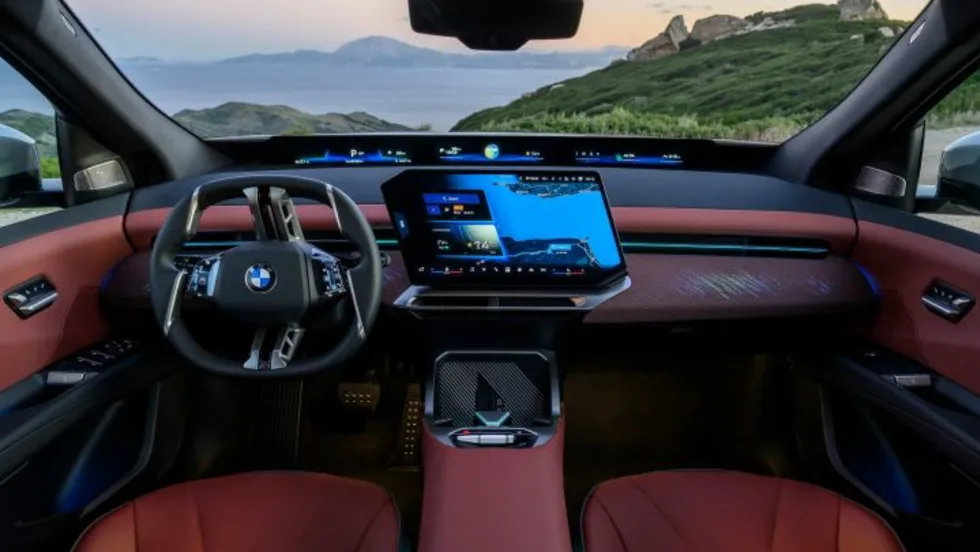
Slow to Robo
Ten years of polling consumers shows autonomous vehicles’ profiles have risen considerably, but even more people now want at least some level of control if they go that route.
Read More →
Dealers a Little Down
A third-quarter Cox Automotive survey finds them in a mixed mood, bummed by fallen customer traffic but encouraged by better profits, costs and EV interest.
Read More →
European EV Sales Skyrocket
The EV market on the continent held strong in July with almost 25% of new-car sales being fully electric units, a stark contrast to the U.S., where EV sales declined about 42%.
Read More →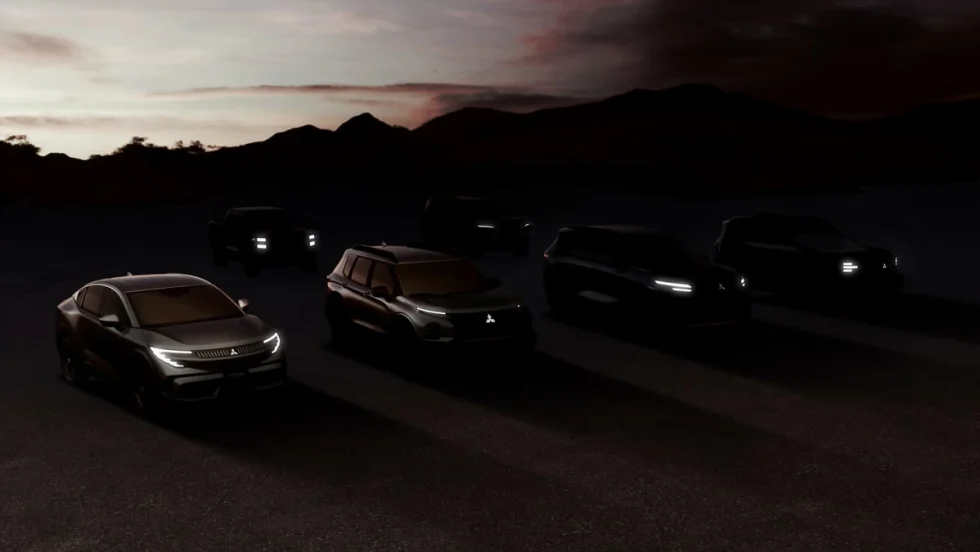
Mitsubishi Unveils U.S. Plan
The automaker announced a strategy that includes an expanded lineup and dealership presence, along with more ‘rugged’ and electric models.
Read More →
Used Lots Getting the Business
Many consumers are seeking out the units to save money, and the demand – higher in July than normal – is keeping supply limited and prices up.
Read More →
Used Market Stabilizes
The Carfax Used Car Index noted a major drop in used-vehicle price increases in July after several months of hikes.
Read More →