



Sides Spar Over Mass. Right-to-Repair Law
Revised law approved by voters in 2020 was intended to enable independent repair shops to diagnose, repair vehicles, not just dealers.


Two outstanding issues – interpretation of the law’s language, and automakers’ progress in implementing the law – are at latest issue.
IMAGE: Getty Images/Skynesher
Litigation over Massachusetts’ revised right-to-repair law continues to move haltingly through the courts as the opponents spar over how to proceed in the case.
Two outstanding issues – interpretation of the law’s language, and automakers’ progress in implementing the law – are at latest issue.
In recently filed documents in U.S. District Court, defendant Massachusetts Attorney General Maura Healey said her office and plaintiff Alliance for Automotive Innovation haven’t agreed on a “joint proposal” on the issues and on future deadlines.
Healy wrote that she wants alliance members Stellantis and General Motors to “identify steps taken, funds spent and personnel involved in researching and developing methods of compliance” with parts of the law.
The alliance, in its filing, said that Healey’s interpretation of the law mostly repeats her “positions at trial, avoids interpreting certain provisions of the Data Access Law entirely, and in many places fails to provide any meaningful, practical interpretation.”
Voters overwhelmingly approved the revised law in 2020, allowing car owners to take their vehicles to any shop for diagnosis and repair, not only to dealers. The original law required carmakers to provide an onboard system that independent shops could connect to for diagnosis and repair. The law was revised due to telematics innovations that wirelessly transfer captured data directly to manufacturers and their dealers.
The alliance’s lawsuit claims that the revision makes it impossible for carmakers to equip vehicles with “an inter-operable, standardized, and open access platform.”
READ MORE: Automakers Shift Production to Autos with Better Profit Margins
Originally posted on Auto Dealer Today
More Showroom
California Sees Quarterly Gains
California’s new-vehicle market saw a boost in hybrids in the third quarter and its first overall quarterly market gain of the year.
Read More →
New-Vehicle Prices Stay Put
Affordability pressures and model availability shaped new-vehicle sales in September, according to an analysis by Kelley Blue Book.
Read More →
EV Buyer Consideration Shifts
What drives American consumers to purchase an electric vehicle is shifting as the question moves away from Should I?' to 'Which features and experience do I want to have?'
Read More →
Year-to-Date Auto Sales Holding Their Own
A forecast through August shows that automakers have shifted strategies to keep deliveries and revenues up despite tariffs and other economic challenges.
Read More →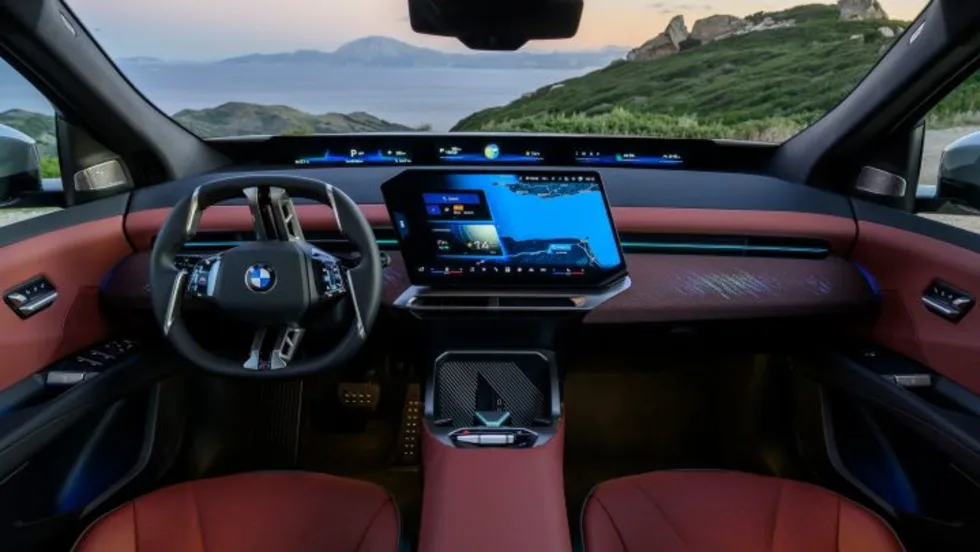
Slow to Robo
Ten years of polling consumers shows autonomous vehicles’ profiles have risen considerably, but even more people now want at least some level of control if they go that route.
Read More →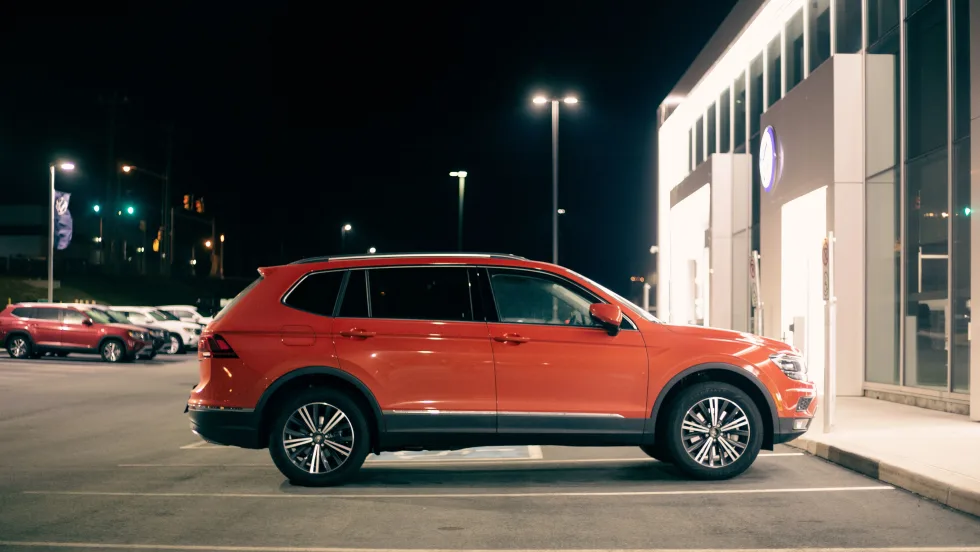
Dealers a Little Down
A third-quarter Cox Automotive survey finds them in a mixed mood, bummed by fallen customer traffic but encouraged by better profits, costs and EV interest.
Read More →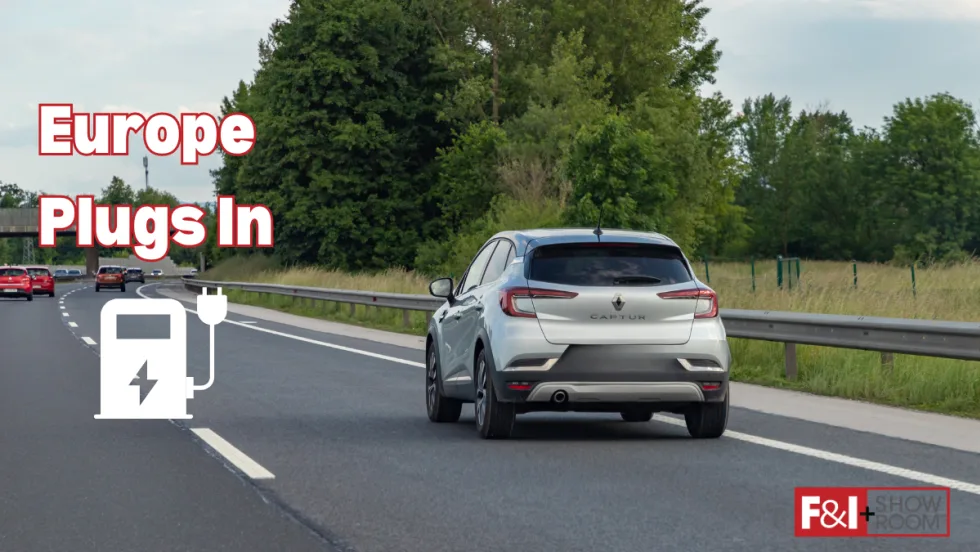
European EV Sales Skyrocket
The EV market on the continent held strong in July with almost 25% of new-car sales being fully electric units, a stark contrast to the U.S., where EV sales declined about 42%.
Read More →
Mitsubishi Unveils U.S. Plan
The automaker announced a strategy that includes an expanded lineup and dealership presence, along with more ‘rugged’ and electric models.
Read More →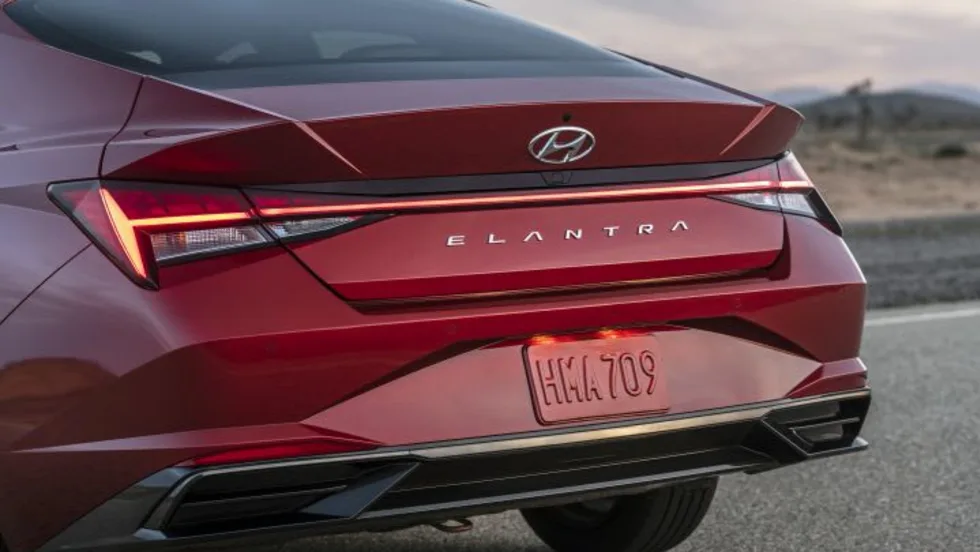
Used Lots Getting the Business
Many consumers are seeking out the units to save money, and the demand – higher in July than normal – is keeping supply limited and prices up.
Read More →
Used Market Stabilizes
The Carfax Used Car Index noted a major drop in used-vehicle price increases in July after several months of hikes.
Read More →