



S&P Mobility Report: Age of Light Vehicles Rises Again
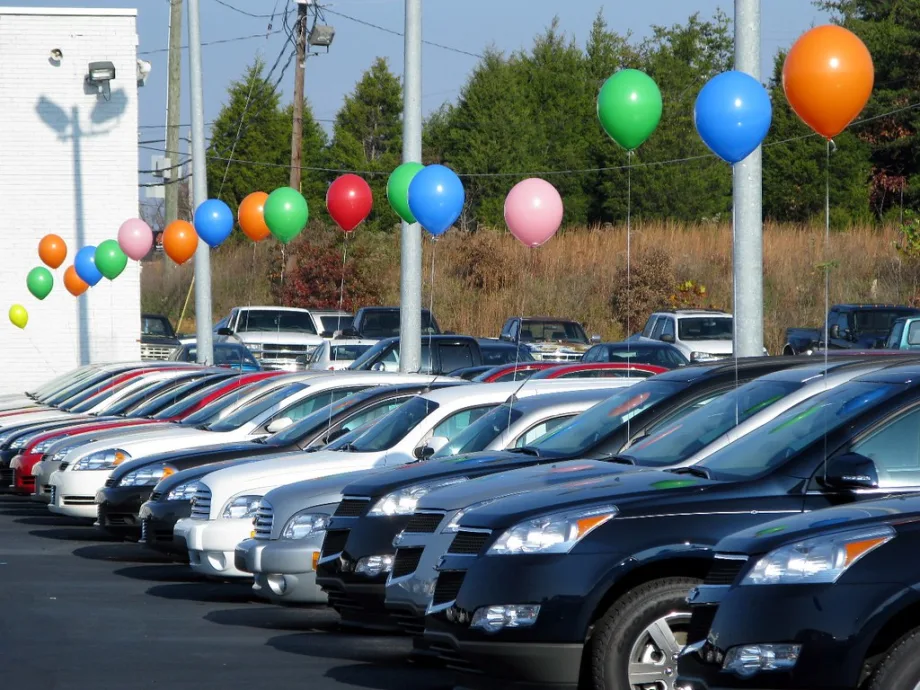
S&P research shows the average vehicle age rose to 12.2 years in 2022, representing a 2% increase from 2021.

Flickr
The average age of U.S. light vehicles has increased for the fifth consecutive year, finds an S&P Global Mobility report.
S&P research shows the average vehicle age rose to 12.2 years in 2022, representing a 2% increase from 2021.
S&P Global reported the increase is driven by the global microchip shortage and supply chain issues, which caused a "constrained supply of new cars and light trucks, amid a strong demand for personal transportation."
In an Automotive News interview, Todd Campau, automotive aftermarket practice lead for S&P Global, said owners are keeping their vehicles longer or purchasing used vehicles because of the shortage of new vehicles.
"People do value their vehicles; people do still feel the need to have a vehicle available to them, maybe even more coming out of the pandemic, so that's caused the vehicle fleet just to grow a little bit," Campau said. "And because the new-vehicle sales haven't been available, it's been growing from within really from vehicles that have been on the road, and they're just staying available longer."
Though this is true, S&P research shows the average vehicle age has increased every year since 2011, highlighting a trend toward older and higher-mileage vehicles. Cox Automotive data finds the sale of high-mileage vehicles grew 7% in the first quarter of 2022.
The total U.S. vehicle fleet — which includes all light cars and trucks — increased by 3.5 million vehicles to 283 million in 2022, according to S&P Global.
The research cites a continued decline in vehicle scrappage and greater demand for used vehicles for contributing to increased vehicle age. Vehicle miles have pre-pandemic levels, according to the study, "increasing by more than 10% in 2021 as lockdowns eased and people returned to work and leisure travel."
Electric vehicles saw a decrease in their average life from 2021. S&P Global reports the total number of battery-electric vehicles in operation increased nearly 40% to 1.44 million in 2022. But the average age decreased from 3.9 years in 2021 to 3.8 years in 2022.
S&P Global also predicted supply chain issues and microchip shortages will continue to increase the average age of light vehicles through 2023.
"There's definitely going to be upward pressure on average age through probably 2024, maybe even '25," Campau told Automotive News. He predicted average age will level off once new vehicle supply starts to catch up with demand and hinted average age may fall once pent-up demand for new vehicles is released.
Originally posted on Auto Dealer Today
More Showroom

California Sees Quarterly Gains
California’s new-vehicle market saw a boost in hybrids in the third quarter and its first overall quarterly market gain of the year.
Read More →
New-Vehicle Prices Stay Put
Affordability pressures and model availability shaped new-vehicle sales in September, according to an analysis by Kelley Blue Book.
Read More →
EV Buyer Consideration Shifts
What drives American consumers to purchase an electric vehicle is shifting as the question moves away from Should I?' to 'Which features and experience do I want to have?'
Read More →
Year-to-Date Auto Sales Holding Their Own
A forecast through August shows that automakers have shifted strategies to keep deliveries and revenues up despite tariffs and other economic challenges.
Read More →
Slow to Robo
Ten years of polling consumers shows autonomous vehicles’ profiles have risen considerably, but even more people now want at least some level of control if they go that route.
Read More →
Dealers a Little Down
A third-quarter Cox Automotive survey finds them in a mixed mood, bummed by fallen customer traffic but encouraged by better profits, costs and EV interest.
Read More →
European EV Sales Skyrocket
The EV market on the continent held strong in July with almost 25% of new-car sales being fully electric units, a stark contrast to the U.S., where EV sales declined about 42%.
Read More →
Mitsubishi Unveils U.S. Plan
The automaker announced a strategy that includes an expanded lineup and dealership presence, along with more ‘rugged’ and electric models.
Read More →
Used Lots Getting the Business
Many consumers are seeking out the units to save money, and the demand – higher in July than normal – is keeping supply limited and prices up.
Read More →
Used Market Stabilizes
The Carfax Used Car Index noted a major drop in used-vehicle price increases in July after several months of hikes.
Read More →