



Stellantis CEO Calls Pandemic Impacts ‘Eye Opening’
High demand amid COVID-19 supply chain pressures and tightened inventory highlight the importance of freedom of mobility, reports Carlos Tavares.


Carlos Tavares, CEO, Stellantis
Stellantis
Stellantis CEO Carlos Tavares calls the pandemic, and its impacts on the auto industry, eye-opening.
COVID-19 ushered in crisis after crisis, most notable of which the semiconductor shortage that has tested the resilience of the supply chain, driven up vehicle prices and tightened dealer inventories. Through all this, demand skyrocketed.
“My order book is going through the roof. People want to buy cars. It’s amazing. It’s as if we have all discovered through the COVID crisis how important it is to protect our freedom of mobility. And … the best way to protect freedom of mobility is to have (a) car,” Tavares said, during a roundtable at the Conner Center.
Tavares highlighted the challenges he sees the industry facing.
He noted electric vehicles are where the industry will head, due to increased pressure from governments to end the sale of internal combustion engines. However, battery electric vehicles (BEV) cost 50% more to produce than cars with traditional engines, which he said raises questions of affordability. Tavares stressed that if the industry does not address BEV affordability, it won’t just transform, it will downsize as high prices push out the middle class.
“The question is: Where do we want to go as a society in terms of protecting or even promoting freedom of mobility? That’s a question which has to be addressed to the people we are supposed to vote for, right? We are just trying to keep our companies sustainable, competitive,” Tavares said.
He said automaker efforts to be sustainable will include generating more money in other areas, like software. Tavares revealed Stellantis expects to raise about $22.6 billion in revenues by 2030 through “software-enabled products” and subscription services.
“We are indeed transforming Stellantis into a mobility tech company,” Tavares said.
The move should heighten investor interest in the company, he said, which is key for legacy automakers with smaller market valuations than electric vehicle companies like Tesla. Stellantis plans $34 billion in electrification and software developments through 2025, which Tavares hopes will attract investor interest.
He stressed Stellantis plans to unleash a lot more “value creation.” “The message today is this company is on the move,” he added.
Stellantis, which formed earlier this year from the merger of Fiat Chrysler Automobiles and Peugeot maker PSA group, also announced a partnership with iPhone-maker Foxconn to design “a family of purpose-built semiconductors.”
According to a Stellantis news release, the chips will cover 80% of the company’s semiconductor needs. The company did not release specifics on the partnership or state when chips will become available.
In May, Stellantis announced a joint venture with Foxconn to supply Stellantis vehicles with infotainment and connected vehicle features.
Originally posted on Auto Dealer Today
More Showroom
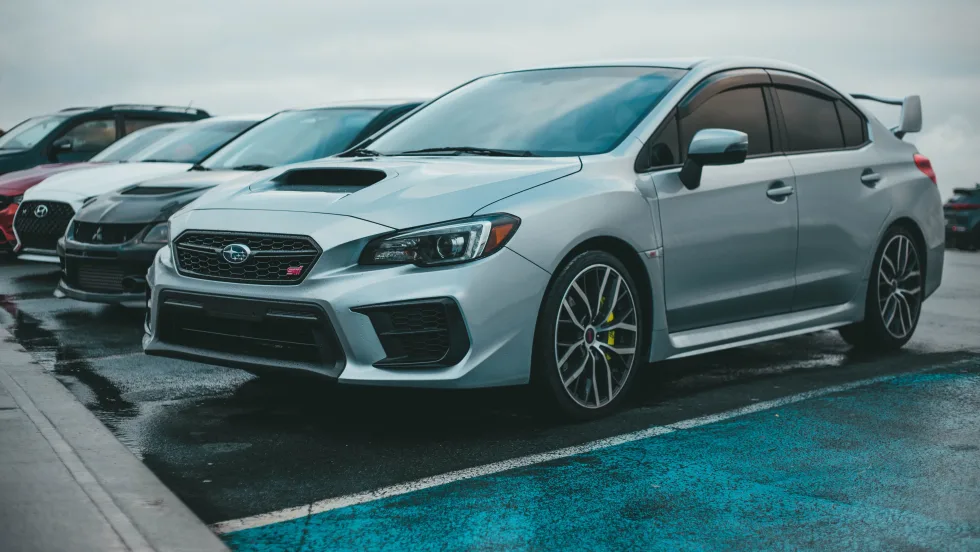
New-Vehicle Prices Stay Put
Affordability pressures and model availability shaped new-vehicle sales in September, according to an analysis by Kelley Blue Book.
Read More →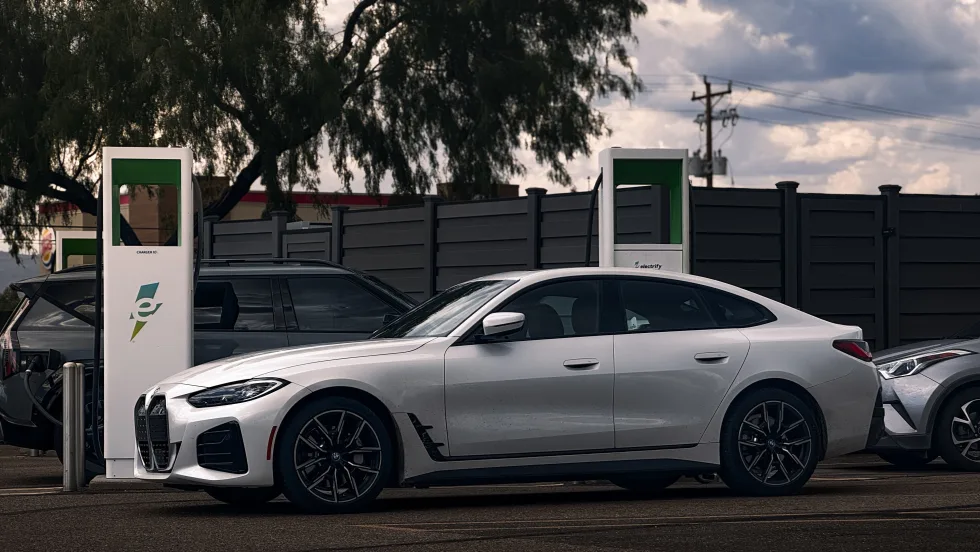
EV Buyer Consideration Shifts
What drives American consumers to purchase an electric vehicle is shifting as the question moves away from Should I?' to 'Which features and experience do I want to have?'
Read More →
Year-to-Date Auto Sales Holding Their Own
A forecast through August shows that automakers have shifted strategies to keep deliveries and revenues up despite tariffs and other economic challenges.
Read More →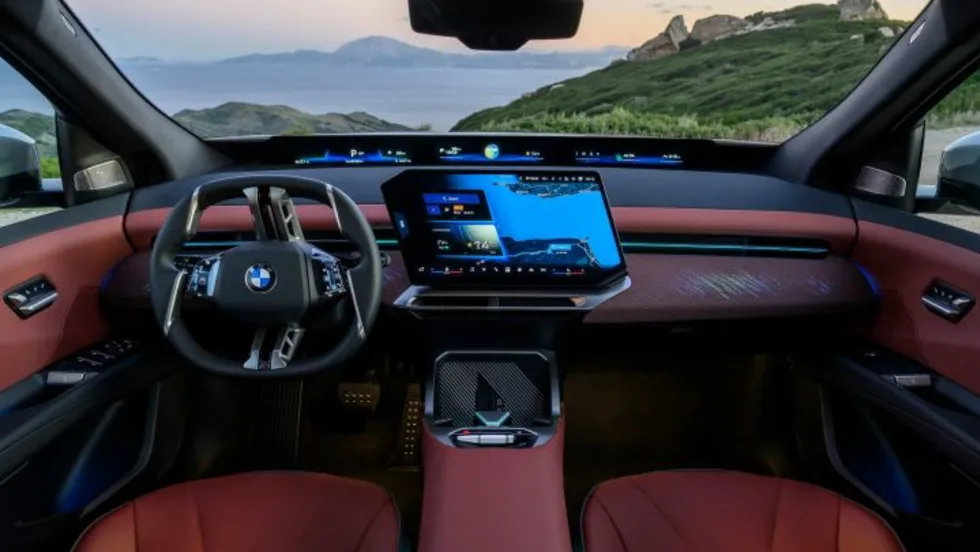
Slow to Robo
Ten years of polling consumers shows autonomous vehicles’ profiles have risen considerably, but even more people now want at least some level of control if they go that route.
Read More →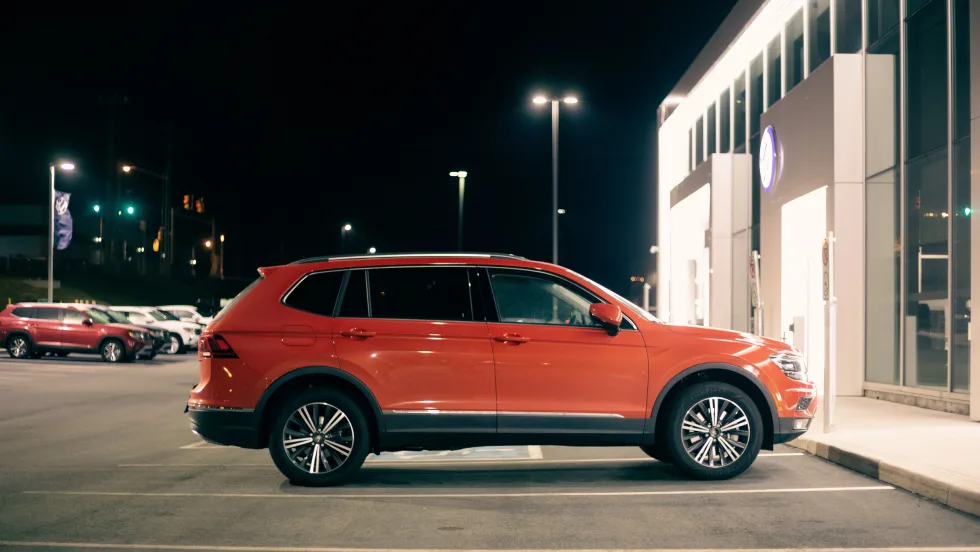
Dealers a Little Down
A third-quarter Cox Automotive survey finds them in a mixed mood, bummed by fallen customer traffic but encouraged by better profits, costs and EV interest.
Read More →
European EV Sales Skyrocket
The EV market on the continent held strong in July with almost 25% of new-car sales being fully electric units, a stark contrast to the U.S., where EV sales declined about 42%.
Read More →
Mitsubishi Unveils U.S. Plan
The automaker announced a strategy that includes an expanded lineup and dealership presence, along with more ‘rugged’ and electric models.
Read More →
Used Lots Getting the Business
Many consumers are seeking out the units to save money, and the demand – higher in July than normal – is keeping supply limited and prices up.
Read More →
Used Market Stabilizes
The Carfax Used Car Index noted a major drop in used-vehicle price increases in July after several months of hikes.
Read More →
California Hybrids Reach State Record
The Golden State still leads the country in electric-vehicle registrations, but much like the rest of the U.S. its hybrid market share is up while full electrics stabilize after a dramatic first-quarter dip.
Read More →