



Study: Failure to Capture Off Make Buyers Costs Auto Groups Service Revenue
A new study commissioned by Affinitiv finds U.S. auto groups lose up to $230,000 in per-store service revenue by failing to cross-market off make used car buyers.


Affinitiv analysts found the average repair order amount is 68% higher for same make vehicles, no matter the brand.
Photo by Negative Space via Pexels
CHICAGO — When dealers fail to refer used off make buyers to sister stores within their auto group for service, the group loses up to $230,000 annually in potential customer pay revenue per store, according to Affinitiv’s Automotive Customer Loyalty study.
The study analyzed data from deals at more than 1,000 auto dealerships. Analysts found that, regardless of brand, the average repair order amount is 68% higher for a used same make vehicle than the average RO amount for a used off make vehicle.
Read: Calif. Dealers Get Warranty Rate Hike, 10-Year Upgrade Intervals, CCPA Exemption
“If I buy a used Honda at a Toyota dealership, I might take it back to that dealership for an oil change but it’s unlikely I’ll take it back for a brake job or transmission service,” said Scot Eisenfelder, CEO of Affinitiv. “Lost opportunities occur when the Toyota salesperson fails to transfer that customer’s information over to the Honda store within their group, so the Honda store can market to and win that buyer’s service business.”
“If you convert a used off make buyer into a loyal service customer at another store, that customer is more likely to remain loyal to your auto group brand on the next purchase.”
Calculations revealed that auto groups could increase annual potential customer pay revenue by $230,000 per store simply by closing the service opportunity gap between used off make and used same make buyers.
“This figure doesn’t take into account that if you convert a used off make buyer into a loyal service customer at another store, that customer is more likely to remain loyal to your auto group brand on the next purchase,” noted Doug Van Sach, Affinitiv’s vice president of strategy and analytics.
Originally posted on Auto Dealer Today
More Showroom
California Sees Quarterly Gains
California’s new-vehicle market saw a boost in hybrids in the third quarter and its first overall quarterly market gain of the year.
Read More →
New-Vehicle Prices Stay Put
Affordability pressures and model availability shaped new-vehicle sales in September, according to an analysis by Kelley Blue Book.
Read More →
EV Buyer Consideration Shifts
What drives American consumers to purchase an electric vehicle is shifting as the question moves away from Should I?' to 'Which features and experience do I want to have?'
Read More →
Year-to-Date Auto Sales Holding Their Own
A forecast through August shows that automakers have shifted strategies to keep deliveries and revenues up despite tariffs and other economic challenges.
Read More →
Slow to Robo
Ten years of polling consumers shows autonomous vehicles’ profiles have risen considerably, but even more people now want at least some level of control if they go that route.
Read More →
Dealers a Little Down
A third-quarter Cox Automotive survey finds them in a mixed mood, bummed by fallen customer traffic but encouraged by better profits, costs and EV interest.
Read More →
European EV Sales Skyrocket
The EV market on the continent held strong in July with almost 25% of new-car sales being fully electric units, a stark contrast to the U.S., where EV sales declined about 42%.
Read More →
Mitsubishi Unveils U.S. Plan
The automaker announced a strategy that includes an expanded lineup and dealership presence, along with more ‘rugged’ and electric models.
Read More →
Used Lots Getting the Business
Many consumers are seeking out the units to save money, and the demand – higher in July than normal – is keeping supply limited and prices up.
Read More →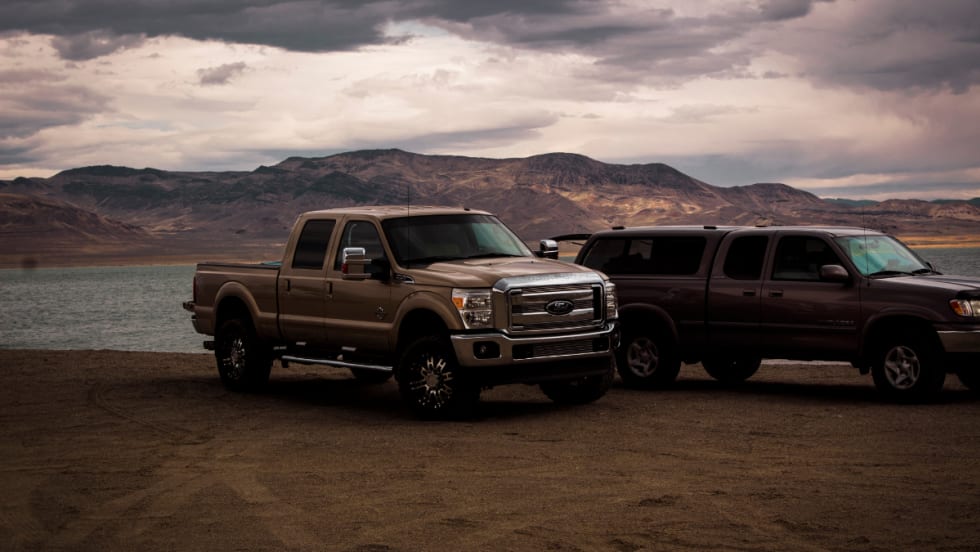
Used Market Stabilizes
The Carfax Used Car Index noted a major drop in used-vehicle price increases in July after several months of hikes.
Read More →