



Survey Says Aftermarket Sales Rise In Early Months of Year
According to market research by the Motor & Equipment Manufacturers Association (MEMA), aftermarket activity generally follows a yearly cycle with sales going up in January or February, decreasing in early to late spring and then peaking again in early summer.
The cycle is revealed in MEMA's Aftermarket Activity Index and the Installer Liquidity Index, new features in its bimonthly newsletter, Market Analysis. The aftermarket index tracks overall aftermarket sales and how they are affected by the current economy.
"When the economic picture is looking good, there are typically more sales of both new and used vehicles. This results in greater aftermarket parts sales as used vehicles are upgraded for resale," said MEMA Director of research Frank Hampshire. "When the economy is doing poorly, consumers often hold onto their vehicles longer and have to replace parts as their vehicles age. The aftermarket is not quite as susceptible to changes in the economy as other industries, since people have to drive and repair their vehicles," he said.
MEMA's Aftermarket Activity Index shows that sales activity was fairly low in 1998, a year with a record number of job layoffs and stock market ups and downs.
Another dip occurred in May 2001, followed by major improvement until a sales drop in January 2002. Sales rose at a lower level in 2002 as the economy continued to falter and then fell below average again in September 2002.
More F&I

Why Your F&I PVR Is Misleading You
Here’s a handy checklist of the numbers to track in 2026 instead.
Read More →
Auto Consumer Anxiety Presents Opportunity
A survey of U.S. drivers found the majority are concerned about finances and the economy, but those fears make many ready to buy vehicle-protection products.
Read More →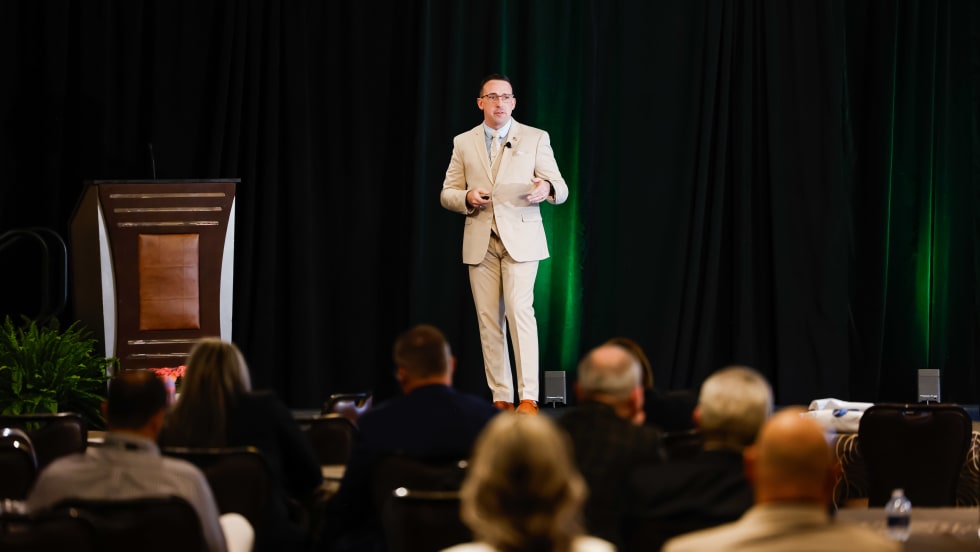
Humble and Hungry: 12 Rules for an F&I Life
Dustin Gingerich, with a decade in the F&I business under his belt, shares his thoughts on leadership, building trust with customers, and the importance of learning and innovation.
Read More →
Focus on the Opening
F&I managers must learn as much as possible about their customers, starting before they walk into their offices. The bulk of today’s consumers expect that, and good results will follow.
Read More →
F&I Reaches for the Sky
The increasingly important profit center continued making gains in the first quarter, according to StoneEagle data, ancillary products proving more popular as consumers hold onto their buys longer.
Read More →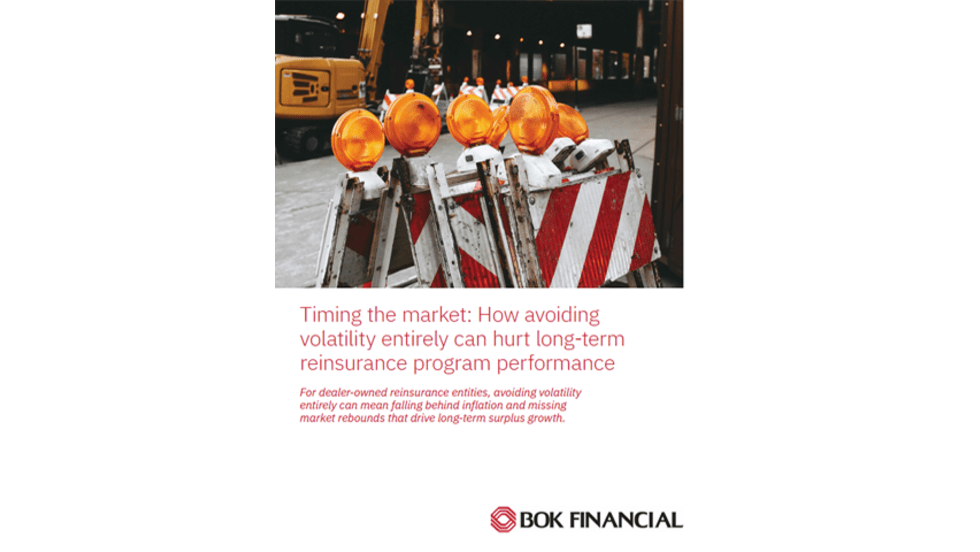
Timing the Market Can Hurt Long-Term Program Performance
For dealer-owned reinsurance entities, avoiding volatility entirely can mean falling behind inflation and missing market rebounds that drive long term surplus growth. Missing just a handful of strong market days can materially impact cumulative returns—an important reminder for long horizon trust and investment strategies.
Read More →
The 90/10 Rule
In this video, Ryan Ruff explains the rule that elite sales professionals use to turn ordinary conversations into unforgettable customer experiences.
Read More →
Your Office Is Talking
What’s the atmosphere saying about you to your customers? You can make minor adjustments and additions that transform your space into one that creates trust with the people on the other side of the desk.
Read More →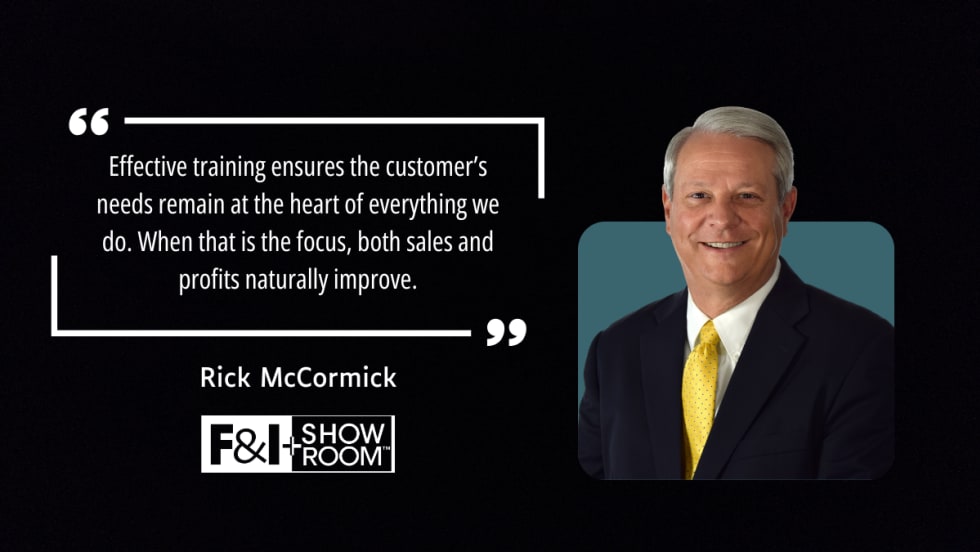
F&I Training Fundamentals
How can auto dealerships help F&I managers fulfill their vital role in the most effective ways? Industry expert Rick McCormick shares his insights on the best ways to train these professionals and help them maintain good habits.
Read More →
Not Just Any Tire Will Do
More consumers and businesses are opting for all-season options for various reasons as safety, sustainability and convenience push practical change.
Read More →