



Tesla Mulls Exporting China-made EVs to the U.S.
Tesla is evaluating whether Model 3 and Model Y EVs made in Gigafactory Shanghai could be sold in North America starting in 2023, sources say.

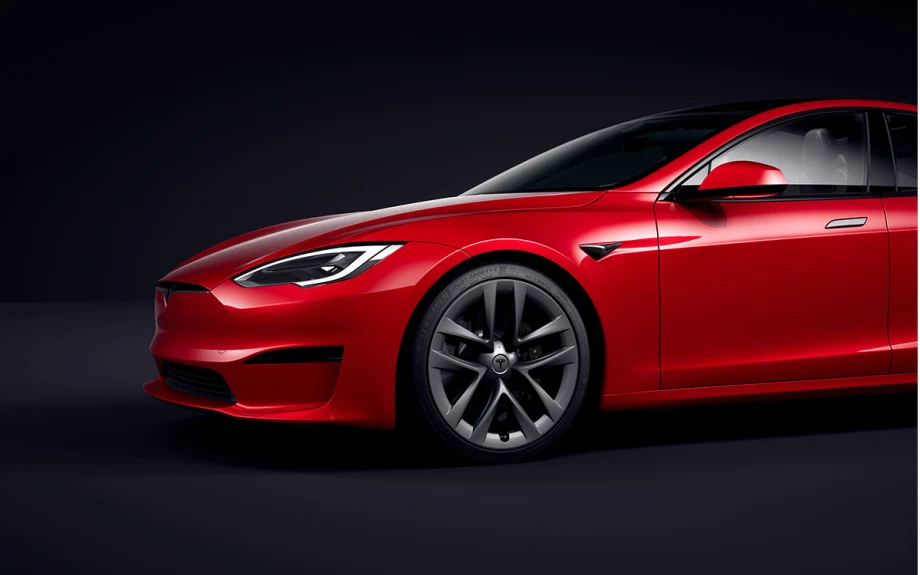
Tesla is evaluating whether Model 3 and Model Y EVs made in Gigafactory Shanghai could be sold in North America starting in 2023, sources say.
IMAGE: Tesla
Tesla is considering plans to export made-in-China electric vehicles (EVs) to the United States and Canada, connecting the automaker’s largest factory to North America, it’s largest market, according to a new article by Reuters.
According to sources close to the matter, Tesla is evaluating whether Model 3 and Model Y electric vehicles made in Gigafactory Shanghai could be sold in North America starting in 2023. The evaluation includes determining whether parts made by China-based suppliers would comply with U.S. and Canada regulations, they said.
The Shanghai plant, they say, is working on a plan for a small-batch, test run of vehicles that comply with North American standards for the first quarter of 2023, one source told Reuters.
Tesla Chief Executive Elon Musk followed the Reuters article with a Tweet that said, "False" without elaborating. Reuters reported Tesla representatives did not confirm the plans or clarify Musk’s Tweet
The review of potential exports to North America from Shanghai began during the past two weeks, according to Reuters anonymous sources and a memo detailing steps taken at the Shanghai plant to test its readiness by early 2023.
Tesla's strategy so far has been to build all vehicles sold in North America at its plants in Fremont, California, and Austin, Texas.
The automaker’s Shanghai Gigafactory has the capacity to produce 1.1 million electric vehicles per year, making it Tesla's most productive manufacturing hub. The China-based plant makes Model 3 sedans and Model Y crossovers to sell in China and for export to Europe, Australia and Southeast Asia.
A cheaper yuan against the U.S. dollar, lower raw material prices in China and the rise in Tesla and new-car prices in the United States make exports from China to the United States cost competitive, the anonymous sources said.
However, the new tax incentives for electric vehicles are based on a production incentive plan that gives preference to vehicles made in the United States. An imported vehicle may not have access to the tax rebates of up to $7,500.
Tesla noted in a filing with the Ontario government in July that it is working with officials to set up an advanced manufacturing facility in Canada. Tesla also is ramping up production at its Berlin plant, which will reduce the need for some exports from China.
The price gap between Tesla cars sold in China and the United States has widened, reflecting both higher U.S. prices and new discounts in China. All this adds up to the fact that Tesla vehicles could potentially be exported to North America at a competitive price.
Tesla sells its Model Y for the equivalent of $49,344 in China, compared to the U.S. price of $65,990. China-made cars face a 27.5% U.S. tariff, while light-duty trucks face a 25% tariff, Reuters reported. China, however, imposes a 15% tariff on imported vehicles.
Originally posted on Auto Dealer Today
More Showroom

California Sees Quarterly Gains
California’s new-vehicle market saw a boost in hybrids in the third quarter and its first overall quarterly market gain of the year.
Read More →
New-Vehicle Prices Stay Put
Affordability pressures and model availability shaped new-vehicle sales in September, according to an analysis by Kelley Blue Book.
Read More →
EV Buyer Consideration Shifts
What drives American consumers to purchase an electric vehicle is shifting as the question moves away from Should I?' to 'Which features and experience do I want to have?'
Read More →
Year-to-Date Auto Sales Holding Their Own
A forecast through August shows that automakers have shifted strategies to keep deliveries and revenues up despite tariffs and other economic challenges.
Read More →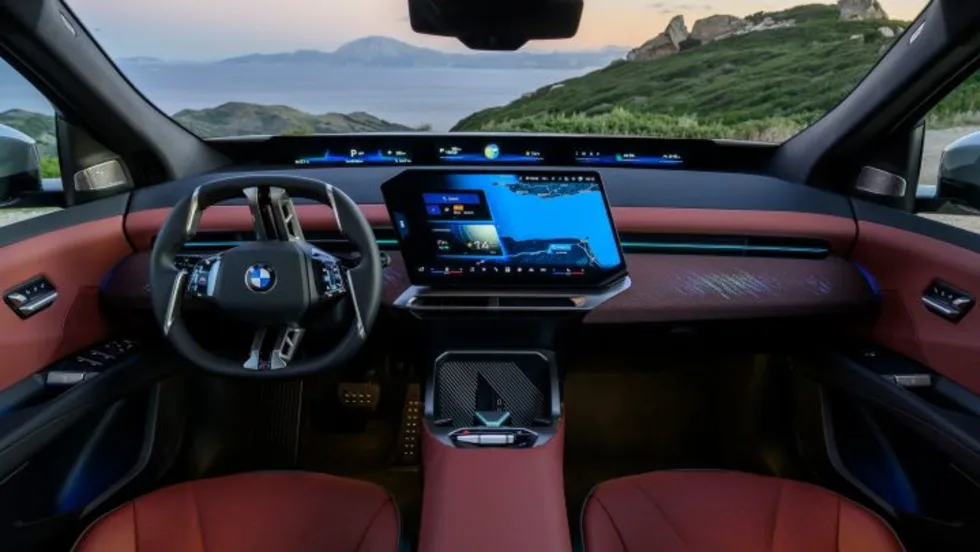
Slow to Robo
Ten years of polling consumers shows autonomous vehicles’ profiles have risen considerably, but even more people now want at least some level of control if they go that route.
Read More →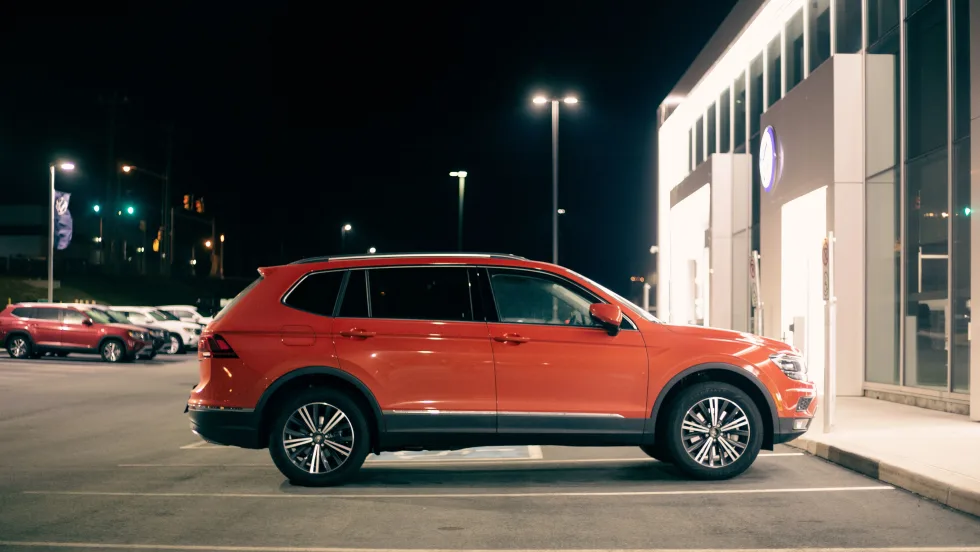
Dealers a Little Down
A third-quarter Cox Automotive survey finds them in a mixed mood, bummed by fallen customer traffic but encouraged by better profits, costs and EV interest.
Read More →
European EV Sales Skyrocket
The EV market on the continent held strong in July with almost 25% of new-car sales being fully electric units, a stark contrast to the U.S., where EV sales declined about 42%.
Read More →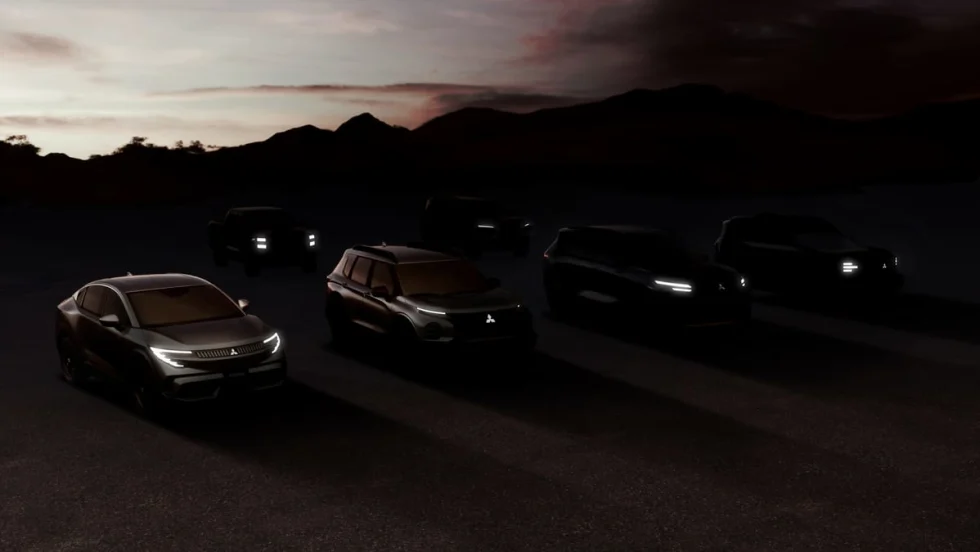
Mitsubishi Unveils U.S. Plan
The automaker announced a strategy that includes an expanded lineup and dealership presence, along with more ‘rugged’ and electric models.
Read More →
Used Lots Getting the Business
Many consumers are seeking out the units to save money, and the demand – higher in July than normal – is keeping supply limited and prices up.
Read More →
Used Market Stabilizes
The Carfax Used Car Index noted a major drop in used-vehicle price increases in July after several months of hikes.
Read More →