



Tesla Tops EV Sales in First Half of Year
The automaker’s new vehicle registrations grew 61% in the first half of the year to take the top spot among luxury automakers.

Flickr
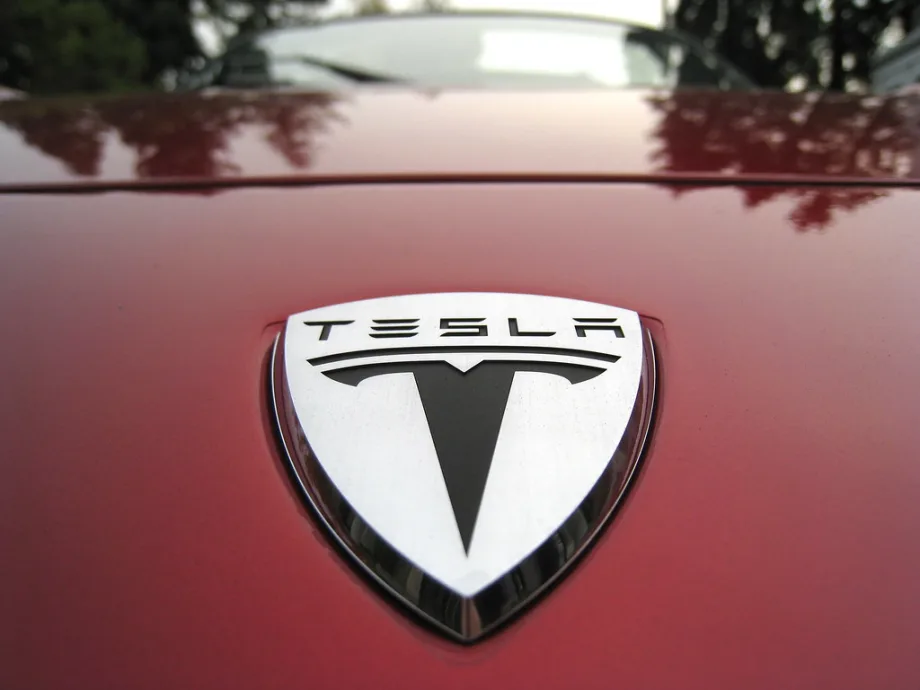
Tesla takes four spots on the list of the top five electric vehicles (EVs).
The automaker’s new vehicle registrations grew 61% in the first half of the year to take the top spot among luxury automakers.
All major luxury brands, except Tesla and Genesis, posted lower first-half registrations, according to Experian. However, new registrations of EVs rose sharply among non-Tesla brands.
Tesla new vehicle registrations rose to 228,989 from 142,543 from January to June year over year. In contrast, registrations for BMW fell by 13% to 157,838 vehicles, Lexus new vehicle registrations fell 19% to 133,616, and Mercedes dropped 14% to 133,520, according to Experian.
Tesla dominated the EV market among all brands, whether luxury or mainstream, capturing 68% market share, similar to 2022. In the first half of the year, EVs comprised about 5% of U.S. light-vehicle registrations, up from 2.5% in 2021.
Experian showed EV registrations ticking up among non-Tesla brands. Legacy auto companies and startups posted 58% EV growth in the first half of the year, with 109,620 registrations among 21 brands for a combined 32% market share.
This growth suggests new EV models from other automakers could put a dent in Tesla's market share later this year. Several brands now sell EVs but didn’t post any sales in the first half of the year. This includes Mercedes, Toyota, Genesis and Cadillac, Experian reported.
Ford is ramping up output of its F-150 Lightning pickup after a spring launch. Experian data showed 1,288 Lightning registrations in the first half of the year, but Ford reported sales of 2,173 in July alone.
Volkswagen producing the ID4 crossover in the U.S. in late July, targeting 7,000 a month by the fourth quarter.
EV startups, Rivian and Lucid, beefed up production in the second quarter for their EVs after struggling with parts shortages in the first quarter.
Tesla has a new factory in Texas that is ramping up after a slow start and the automaker record output at is Fremont, California, plant in the second quarter.
According to Experian data, the non-Tesla EV leaders include:
Ford, which doubled 2021 numbers to 21,820.
Kia, with a six-fold increase to 18,967.
Hyundai, with a 150% increase to 14,994.
Audi, with a 16% increase to 8,183.
Polestar, with an eight-fold increase to 4,873.
Hyundai Motor Group nabbed the most registrations after Tesla, with 34,138, to secure a 10% EV market share. Ford Motor Co. captured a 6% share, while Volkswagen Group secured 5%.
Originally posted on Auto Dealer Today
More Showroom
California Sees Quarterly Gains
California’s new-vehicle market saw a boost in hybrids in the third quarter and its first overall quarterly market gain of the year.
Read More →
New-Vehicle Prices Stay Put
Affordability pressures and model availability shaped new-vehicle sales in September, according to an analysis by Kelley Blue Book.
Read More →
EV Buyer Consideration Shifts
What drives American consumers to purchase an electric vehicle is shifting as the question moves away from Should I?' to 'Which features and experience do I want to have?'
Read More →
Year-to-Date Auto Sales Holding Their Own
A forecast through August shows that automakers have shifted strategies to keep deliveries and revenues up despite tariffs and other economic challenges.
Read More →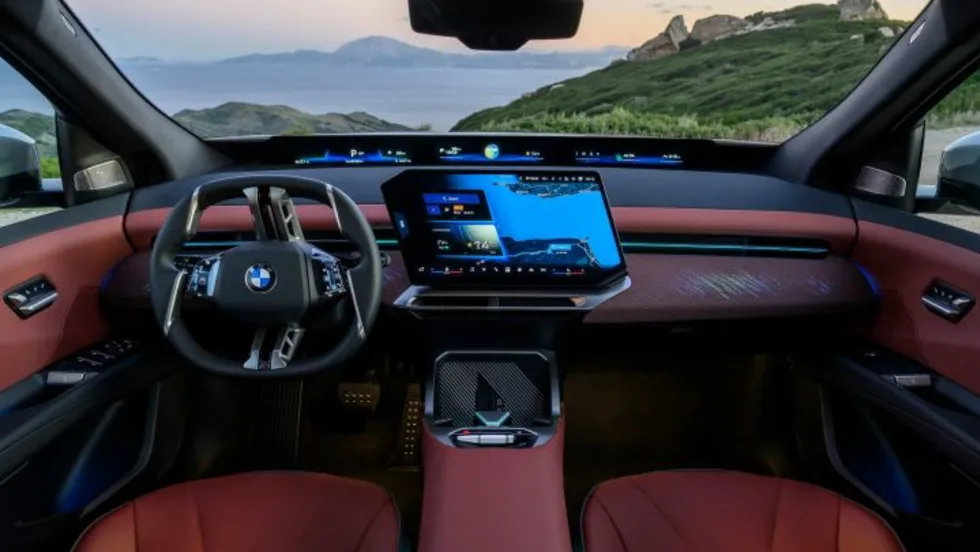
Slow to Robo
Ten years of polling consumers shows autonomous vehicles’ profiles have risen considerably, but even more people now want at least some level of control if they go that route.
Read More →
Dealers a Little Down
A third-quarter Cox Automotive survey finds them in a mixed mood, bummed by fallen customer traffic but encouraged by better profits, costs and EV interest.
Read More →
European EV Sales Skyrocket
The EV market on the continent held strong in July with almost 25% of new-car sales being fully electric units, a stark contrast to the U.S., where EV sales declined about 42%.
Read More →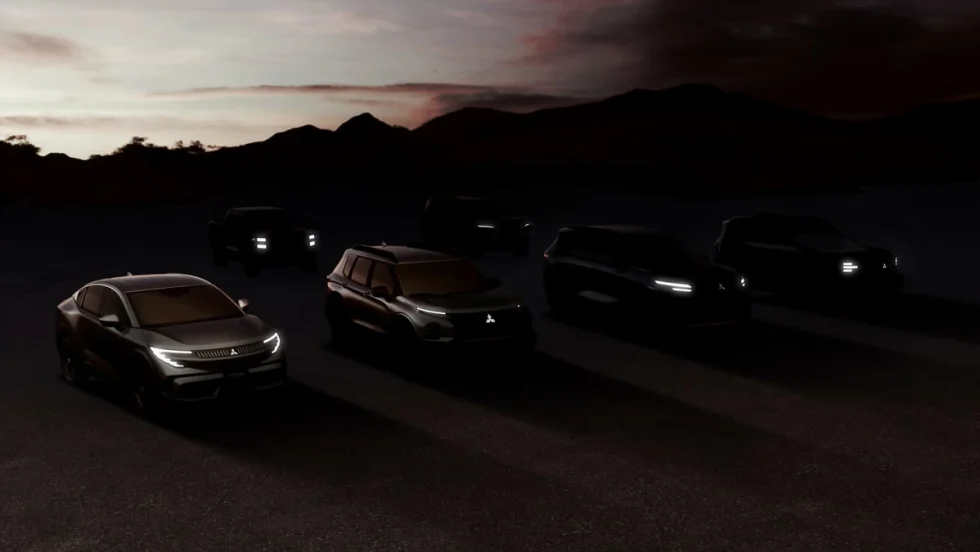
Mitsubishi Unveils U.S. Plan
The automaker announced a strategy that includes an expanded lineup and dealership presence, along with more ‘rugged’ and electric models.
Read More →
Used Lots Getting the Business
Many consumers are seeking out the units to save money, and the demand – higher in July than normal – is keeping supply limited and prices up.
Read More →
Used Market Stabilizes
The Carfax Used Car Index noted a major drop in used-vehicle price increases in July after several months of hikes.
Read More →