



Tesla Workers Shared Vehicle Videos, Report Says
Reuters expose shows employees passed around intrusive videos and clips captured by customers’ automobile cameras.

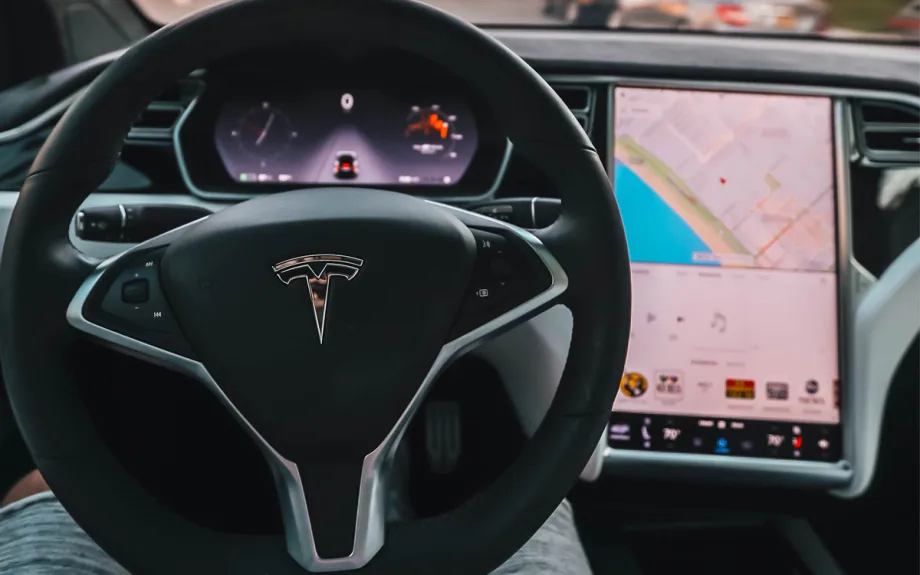
Reuters report shares Tesla staff members shared intrusive visuals and clips captured by customers’ automobile cameras.
Roberto Nickson
Tesla vehicles use cameras to assist with driving, but the automaker maintains that the vehicles are designed “from the ground up” to protect owners’ privacy.
But from 2019 to 2022, some Tesla staff members passed around intrusive visuals and clips captured by customers’ automobile cameras through an internal messaging network in direct violation of the policy, according to Reuters interviews with nine former employees.
Some of the recordings showed Tesla customers in awkward and embarrassing situations, including one of a man approaching his vehicle naked. Another video showed a Tesla striking a child riding a bike, according to an ex-employee.
Sometimes employees made the images into memes and captioned them before sharing them with others. Some postings reached only a handful of employees, while other videos were shared more widely, according to the ex-employees.
Tesla’s Customer Privacy Notice says all camera recordings remain anonymous and are not linked to the customer or their vehicle. But seven ex-employees said that they could identify the source of the recording, which could show where a Tesla owner lived.
According to one former employee, some recordings seemed to have been created when cars were in a stationary position and switched off. Several years back, with the permission of the owner, Tesla could get video recordings from its vehicles, even when they were powered off. It no longer does that.
“We could see inside people’s garages and their private properties,” another former employee told Reuters. “Let’s say that a Tesla customer had something in their garage that was distinctive. You know, people would post those kinds of things.”
Tesla declined to reply to specific questions posed for the report.
To cover the story, Reuters said it spoke to over 300 ex-Tesla employees who had been a part of creating its self-driving system for over nine years. A group of more than a dozen consented to answer questions, all anonymously.
Reuters did not get access to any of the shared videos or photos, which past employees said they had not held onto. It's unclear if the practice of sharing recordings, which happened in some Tesla departments up to last year, is still happening or how many people were involved.
Ex-employees informed Reuters that the only sharing they observed was for professional reasons, like getting aid from co-workers or bosses.
Using sensitive videos is an example of a lesser known attribute of artificial intelligence: People must work together to help AI systems learn how to do automated tasks like driving, according to Reuters.
According to the report by Reuters, Tesla has employed hundreds of people in Africa and later the U.S. since 2016 to label images to help its cars learn how to recognize pedestrians, street signs, construction vehicles, garage doors and other objects. Thousands of videos and images taken by car cameras were available to the data labelers to view and identify objects.
Tesla has begun automating that process, and recently shut down a data-labeling hub in San Mateo, Calif., Reuters reported. Still, the Reueters report ntoed that the automaker employs hundreds of data labelers in Buffalo, N.Y., where the staff has grown by 54% over the last six months.
One ex-employee, who spoke on the condition of anonymity with Reuters, said he saw nothing wrong with sharing images but described a function that allowed data labelers to view the location of recordings on Google Maps as a “massive invasion of privacy.”
Reuters reported that Tesla collects data from its global fleet of several million vehicles to advance its self-driving technologies. Car owners must grant permission on vehicle touchscreens before the automaker collects their vehicles’ data.
If a customer agrees to share data, Tesla reports on its website that “your vehicle may collect the data and make it available to Tesla for analysis. This analysis helps Tesla improve its products, features, and diagnose problems quicker.” The company disclaimer shares that the data may include “short video clips or images,” but adds that the data isn’t linked to a customer’s account or vehicle identification number, “and does not identify you personally.”
Originally posted on Auto Dealer Today
More Showroom
California Sees Quarterly Gains
California’s new-vehicle market saw a boost in hybrids in the third quarter and its first overall quarterly market gain of the year.
Read More →
New-Vehicle Prices Stay Put
Affordability pressures and model availability shaped new-vehicle sales in September, according to an analysis by Kelley Blue Book.
Read More →
EV Buyer Consideration Shifts
What drives American consumers to purchase an electric vehicle is shifting as the question moves away from Should I?' to 'Which features and experience do I want to have?'
Read More →
Year-to-Date Auto Sales Holding Their Own
A forecast through August shows that automakers have shifted strategies to keep deliveries and revenues up despite tariffs and other economic challenges.
Read More →
Slow to Robo
Ten years of polling consumers shows autonomous vehicles’ profiles have risen considerably, but even more people now want at least some level of control if they go that route.
Read More →
Dealers a Little Down
A third-quarter Cox Automotive survey finds them in a mixed mood, bummed by fallen customer traffic but encouraged by better profits, costs and EV interest.
Read More →
European EV Sales Skyrocket
The EV market on the continent held strong in July with almost 25% of new-car sales being fully electric units, a stark contrast to the U.S., where EV sales declined about 42%.
Read More →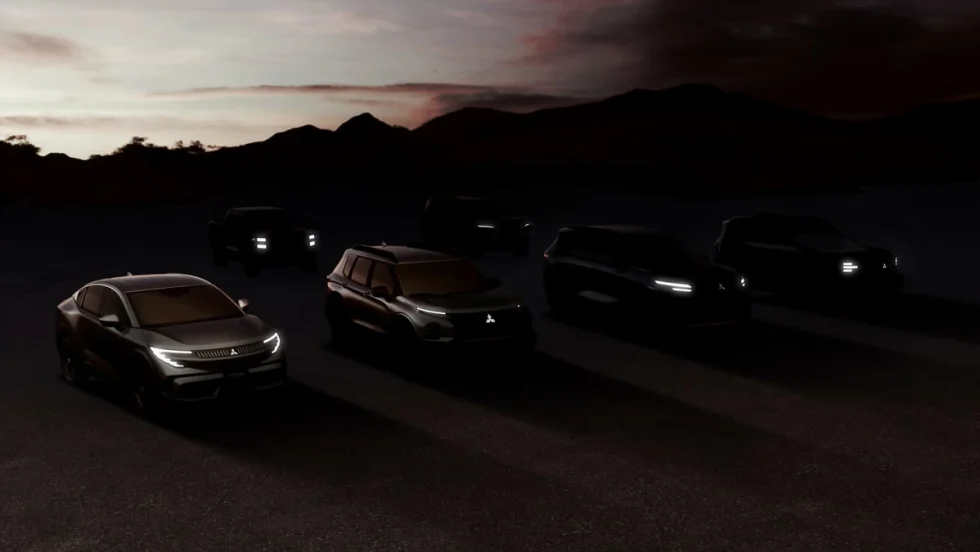
Mitsubishi Unveils U.S. Plan
The automaker announced a strategy that includes an expanded lineup and dealership presence, along with more ‘rugged’ and electric models.
Read More →
Used Lots Getting the Business
Many consumers are seeking out the units to save money, and the demand – higher in July than normal – is keeping supply limited and prices up.
Read More →
Used Market Stabilizes
The Carfax Used Car Index noted a major drop in used-vehicle price increases in July after several months of hikes.
Read More →