



Thefts of Hyundai and Kia Vehicles Soar
IIHS found U.S. theft claims were nearly twice as common for Hyundai Motor and Kia Corp. than other manufacturers vehicles for the 2015 through 2019 model years.

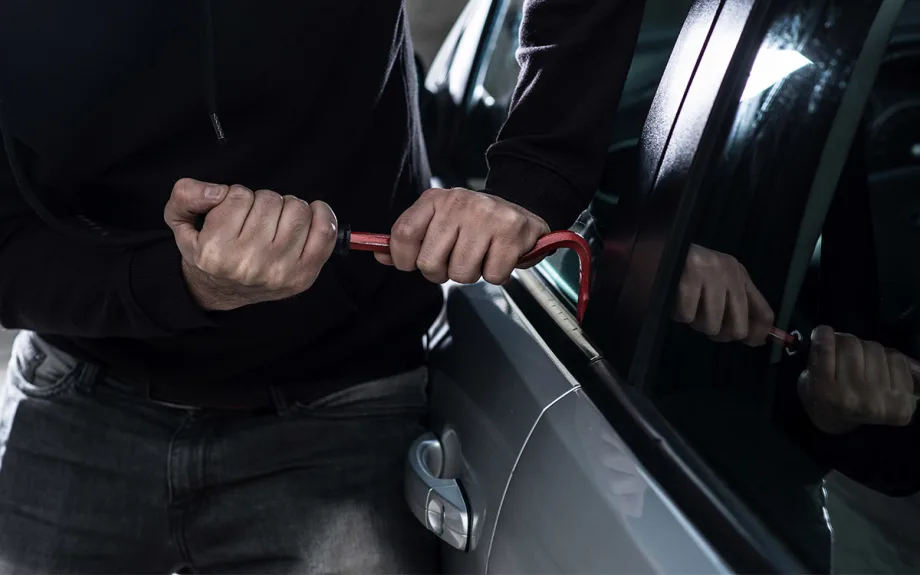
IIHS found U.S. theft claims were nearly twice as common for Hyundai Motor and Kia Corp. than other manufacturers vehicles for the 2015 through 2019 model years.
IMAGE: Getty Images/djedzura
Thefts of Hyundai and Kia vehicles compared to other manufacturers are soaring, finds the Insurance Institute for Highway Safety's (IIHS) Highway Loss Data Institute.
IIHS found U.S. theft claims were nearly twice as common for Hyundai Motor and Kia Corp. than other manufacturers vehicles for the 2015 through 2019 model years.
Many 2015-19 model year Hyundai and Kia vehicles lack electronic immobilizers that prevent people from breaking in and bypassing the ignition. This feature is standard equipment on most other vehicles manufactured during that timeframe, IIHS said.
The insurance group said immobilizers were standard on 62% of models from other manufacturers in model year 2000, rising to 96% by 2015. But the technology was standard on just 26% of 2015 model year Hyundai and Kia vehicles, it said.
Hyundai and Kia report their vehicles meet U.S. motor vehicle standards but noted they are being targeted in a "coordinated effort" by social media users. Hyundai added engine immobilizers to all vehicles produced after Nov. 1, 2021, while Kia added this technology in the 2022 model year.
Hyundai will begin offering a security kit for purchase at its dealerships as of October 1. The kit targets the method of entry thieves are using to access these vehicles.
"Criminals are seeking vehicles solely equipped with a steel key and 'turn-to-start' ignition system. The majority of Kia vehicles in the United States are equipped with a key fob and 'push-button-to-start' system, making them more difficult to steal," Kia said.
The group said that after social media attention in Wisconsin in 2021, overall losses from Hyundai and Kia thefts soared to more than 30 times the 2019 level.
Originally posted on Auto Dealer Today
More Showroom
California Sees Quarterly Gains
California’s new-vehicle market saw a boost in hybrids in the third quarter and its first overall quarterly market gain of the year.
Read More →
New-Vehicle Prices Stay Put
Affordability pressures and model availability shaped new-vehicle sales in September, according to an analysis by Kelley Blue Book.
Read More →
EV Buyer Consideration Shifts
What drives American consumers to purchase an electric vehicle is shifting as the question moves away from Should I?' to 'Which features and experience do I want to have?'
Read More →
Year-to-Date Auto Sales Holding Their Own
A forecast through August shows that automakers have shifted strategies to keep deliveries and revenues up despite tariffs and other economic challenges.
Read More →
Slow to Robo
Ten years of polling consumers shows autonomous vehicles’ profiles have risen considerably, but even more people now want at least some level of control if they go that route.
Read More →
Dealers a Little Down
A third-quarter Cox Automotive survey finds them in a mixed mood, bummed by fallen customer traffic but encouraged by better profits, costs and EV interest.
Read More →
European EV Sales Skyrocket
The EV market on the continent held strong in July with almost 25% of new-car sales being fully electric units, a stark contrast to the U.S., where EV sales declined about 42%.
Read More →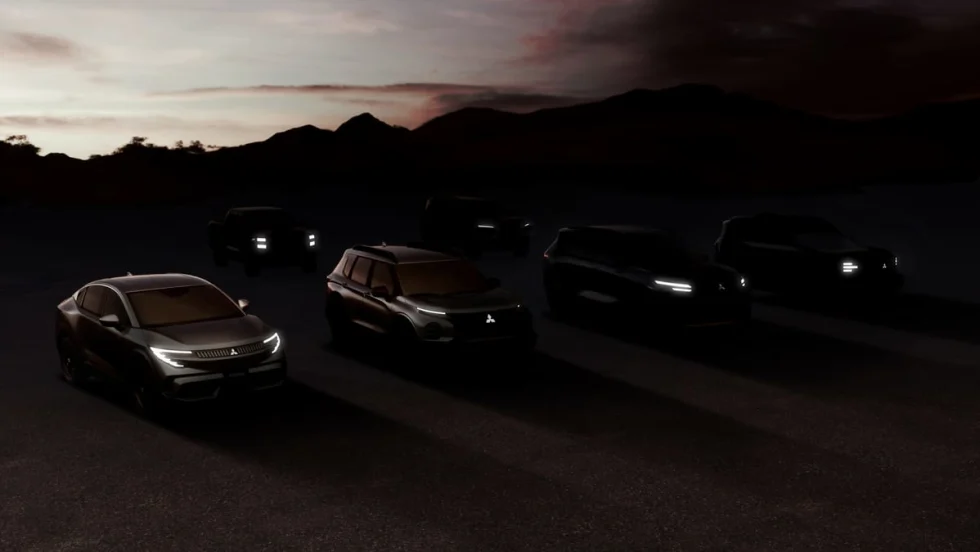
Mitsubishi Unveils U.S. Plan
The automaker announced a strategy that includes an expanded lineup and dealership presence, along with more ‘rugged’ and electric models.
Read More →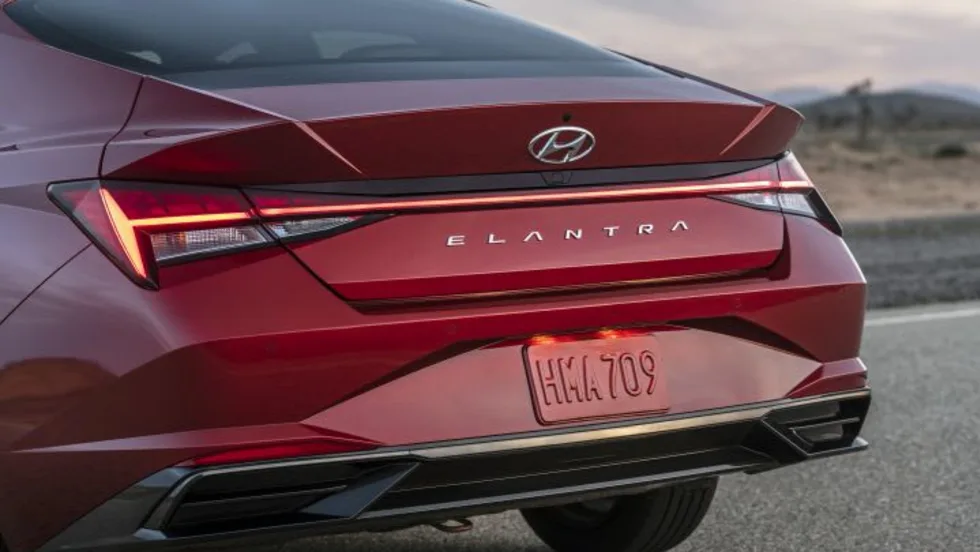
Used Lots Getting the Business
Many consumers are seeking out the units to save money, and the demand – higher in July than normal – is keeping supply limited and prices up.
Read More →
Used Market Stabilizes
The Carfax Used Car Index noted a major drop in used-vehicle price increases in July after several months of hikes.
Read More →