



Toyota and Honda Stay Positive on Profits
Tight supply and lower production helps the companies sell vehicles with fewer financial incentives than they traditionally offer.


Profits per vehicle soar for Toyota and Honda.
Creative Commons
Toyota Motor and Honda Motor were positive about their full-year profit prospects as tight vehicle supplies caused supply shortages allowed the Japanese automakers to charge more for their vehicles.
The companies also benefit from a weaker yen that raised the yen value of overseas earnings.
Toyota and Honda have cut output because of the ongoing semiconductor chip shortage and competition for the key component from the electronics industry.
Tight supply and lower production helps the companies sell vehicles to customers with fewer financial incentives than they traditionally offer.
"We are seeing a further 10% reduction in incentives in North America during the second half of the business year after they halved to $1,000 earlier," said Kohei Takeuchi, Honda's senior managing executive officer in a news briefing.
Toyota stayed with its full-year profit forecast of 2.8 trillion yen ($24.25 billion), while Honda upgraded operating profit forecast by 21% to 800 billion yen for the year to March 31.
The automakers said supply chain disruptions and chip shortages will continue to affect operations, prompting them to cut costs to increase profit per vehicle.
"We don't expect the imbalance in chip supplies to resolve quickly and the course of coronavirus pandemic is unclear," a Toyota official told reporters. "We think that uncertainty will continue into the next business year.”
Toyota, Japan’s No. 1 automaker, cut its annual production target to 8.5 million vehicles, while Honda kept its 4.2 million target, which is below the 4.85 million it planned for the year.
Refinitiv data shows that Toyota's 784.4 billion yen operating profit for the three months to Dec. 31 was higher than an average forecast of 716.8 billion.
Honda, Japan’s No. 2 automaker, reported 229 billion yen in operating profit for the quarter, also above an average forecast of 166.2 billion yen based on estimates from nine analysts, Refinitive reported.
Japan's No. 3 automaker Nissan Motor almost doubled third quarter profit of 52.2 billion yen.
Originally posted on Auto Dealer Today
More Showroom

California Sees Quarterly Gains
California’s new-vehicle market saw a boost in hybrids in the third quarter and its first overall quarterly market gain of the year.
Read More →
New-Vehicle Prices Stay Put
Affordability pressures and model availability shaped new-vehicle sales in September, according to an analysis by Kelley Blue Book.
Read More →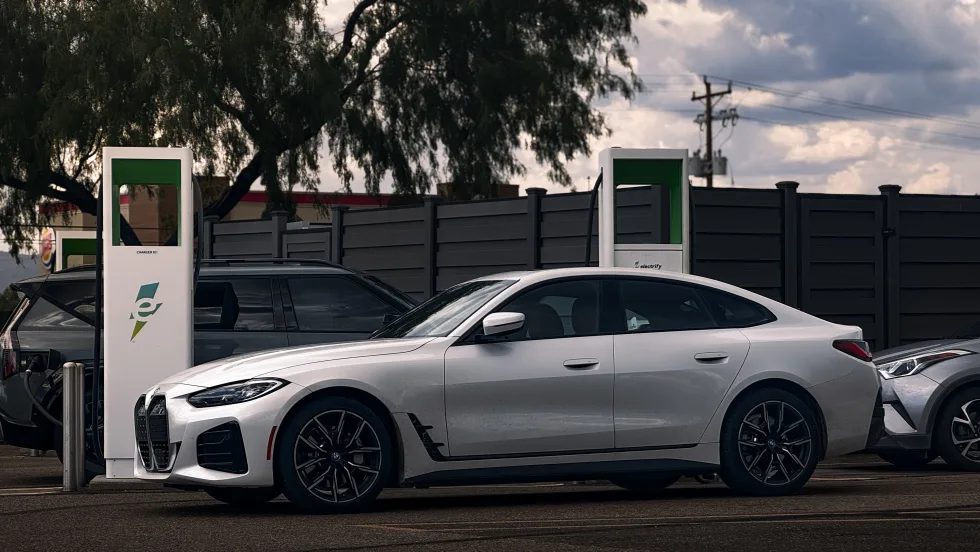
EV Buyer Consideration Shifts
What drives American consumers to purchase an electric vehicle is shifting as the question moves away from Should I?' to 'Which features and experience do I want to have?'
Read More →
Year-to-Date Auto Sales Holding Their Own
A forecast through August shows that automakers have shifted strategies to keep deliveries and revenues up despite tariffs and other economic challenges.
Read More →
Slow to Robo
Ten years of polling consumers shows autonomous vehicles’ profiles have risen considerably, but even more people now want at least some level of control if they go that route.
Read More →
Dealers a Little Down
A third-quarter Cox Automotive survey finds them in a mixed mood, bummed by fallen customer traffic but encouraged by better profits, costs and EV interest.
Read More →
European EV Sales Skyrocket
The EV market on the continent held strong in July with almost 25% of new-car sales being fully electric units, a stark contrast to the U.S., where EV sales declined about 42%.
Read More →
Mitsubishi Unveils U.S. Plan
The automaker announced a strategy that includes an expanded lineup and dealership presence, along with more ‘rugged’ and electric models.
Read More →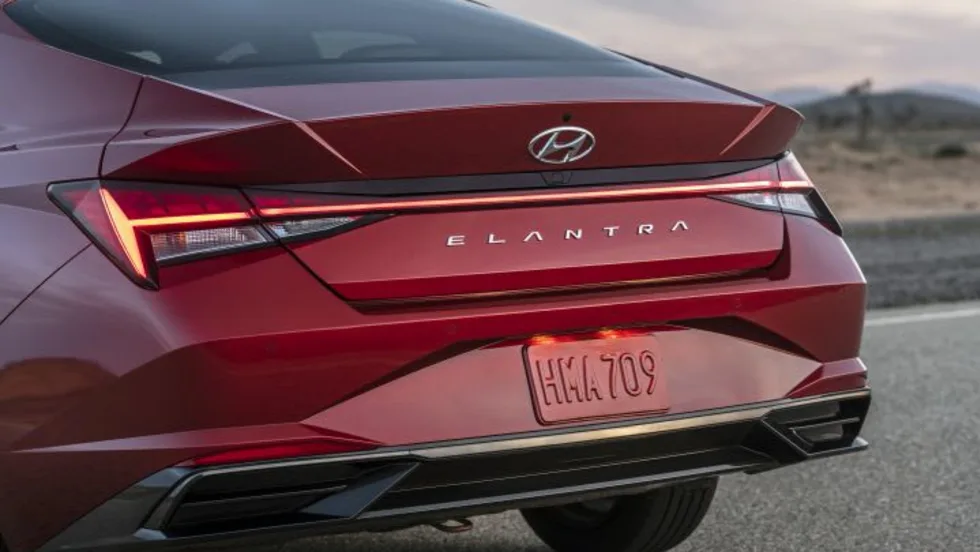
Used Lots Getting the Business
Many consumers are seeking out the units to save money, and the demand – higher in July than normal – is keeping supply limited and prices up.
Read More →
Used Market Stabilizes
The Carfax Used Car Index noted a major drop in used-vehicle price increases in July after several months of hikes.
Read More →