



Toyota Execs Say Gasoline Will Still Power Most of Its Vehicles Through 2030
The automaker bases this assessment on a belief that electric vehicles will not catch up to gasoline-powered vehicles in terms of cost and convenience by 2030.

The automaker bases this assessment on a belief that electric vehicles will not catch up to gasoline-powered vehicles in terms of cost and convenience by 2030.
Toyota predicts gasoline will power most of its U.S. vehicles well through 2030, despite the automaker’s commitments to develop hybrid and electric vehicles.
If you take a snapshot of 2030, the price of battery EVs and the provision of infrastructure around the globe probably won’t have advanced all that much.
Company execs base the assessment on the belief that electric vehicles will not catch up to gasoline-powered vehicles in terms of cost and convenience by 2030, the Wall Street Journal reports. This reflects a different stance than the company’s primary competitors. Honda, Volvo, and General Motors recently set goals for all-electric fleets within the next decade.
“If you take a snapshot of 2030, the price of battery EVs and the provision of infrastructure around the globe probably won’t have advanced all that much,” said Toyota Exec Jun Nagata in a news conference. “Hybrids and plug-in hybrids will be easier for customers to buy.”
Toyota leaders assert customers do not want pure electric vehicles and that EVs are not necessarily better for the environment. They cite concerns that carbon emissions associated with generating electricity and producing battery materials, such as cobalt and lithium, are higher.
“The goal is not electric vehicles, the goal is carbon neutrality,” said James Kuffler, Toyota’s chief digital officer, in a news conference. “Even if we have the best technology, if it’s not chosen by customers, it will not have the impact of reducing emissions.”
Kuffler added that Toyota is “strongly positioned to lead the world in the best reliable low-cost battery-powered electric vehicles.”
Toyota must rapidly ramp up battery production to meet even a hybrid-focused plan. In fact, executives report Toyota will need to multiply current battery capacity by 30 times to meet its 2030 targets.
The company announced plans to start selling the bZ4X, a fully electric SUV, in mid-2020. But even with this announcement, Toyota lags behind other companies in introducing EVs that compete with Tesla.
The automaker also reported a net profit of $20.6 billion for the fiscal year ended March 31, a slight increase over the previous fiscal year. Toyota also forecast higher profits for the next fiscal year, driven by U.S. economic recovery and rising demand for gasoline-powered trucks and SUVs.
Originally posted on Auto Dealer Today
More Showroom

California Sees Quarterly Gains
California’s new-vehicle market saw a boost in hybrids in the third quarter and its first overall quarterly market gain of the year.
Read More →
New-Vehicle Prices Stay Put
Affordability pressures and model availability shaped new-vehicle sales in September, according to an analysis by Kelley Blue Book.
Read More →
EV Buyer Consideration Shifts
What drives American consumers to purchase an electric vehicle is shifting as the question moves away from Should I?' to 'Which features and experience do I want to have?'
Read More →
Year-to-Date Auto Sales Holding Their Own
A forecast through August shows that automakers have shifted strategies to keep deliveries and revenues up despite tariffs and other economic challenges.
Read More →
Slow to Robo
Ten years of polling consumers shows autonomous vehicles’ profiles have risen considerably, but even more people now want at least some level of control if they go that route.
Read More →
Dealers a Little Down
A third-quarter Cox Automotive survey finds them in a mixed mood, bummed by fallen customer traffic but encouraged by better profits, costs and EV interest.
Read More →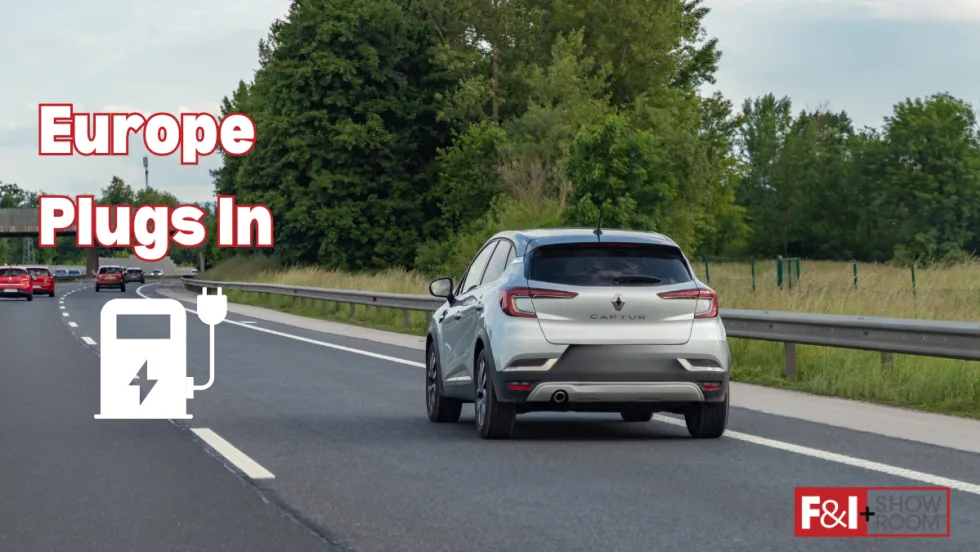
European EV Sales Skyrocket
The EV market on the continent held strong in July with almost 25% of new-car sales being fully electric units, a stark contrast to the U.S., where EV sales declined about 42%.
Read More →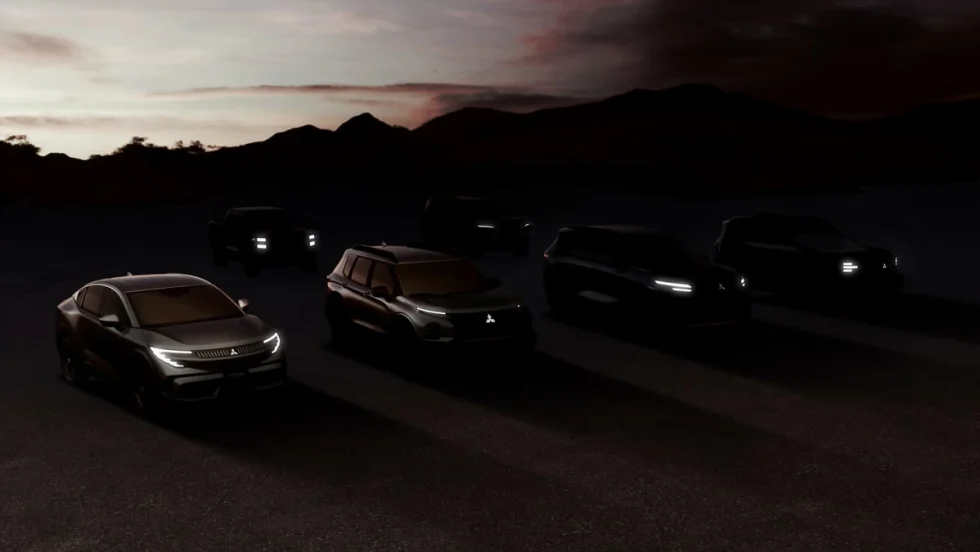
Mitsubishi Unveils U.S. Plan
The automaker announced a strategy that includes an expanded lineup and dealership presence, along with more ‘rugged’ and electric models.
Read More →
Used Lots Getting the Business
Many consumers are seeking out the units to save money, and the demand – higher in July than normal – is keeping supply limited and prices up.
Read More →
Used Market Stabilizes
The Carfax Used Car Index noted a major drop in used-vehicle price increases in July after several months of hikes.
Read More →