



Toyota Sets Sights on Carbon Neutrality in Europe by 2040
Toyota maintains operations in Europe will be carbon neutral by 2040, at Toyota Motor Europe’s annual Kenshiki presentation in Brussels.

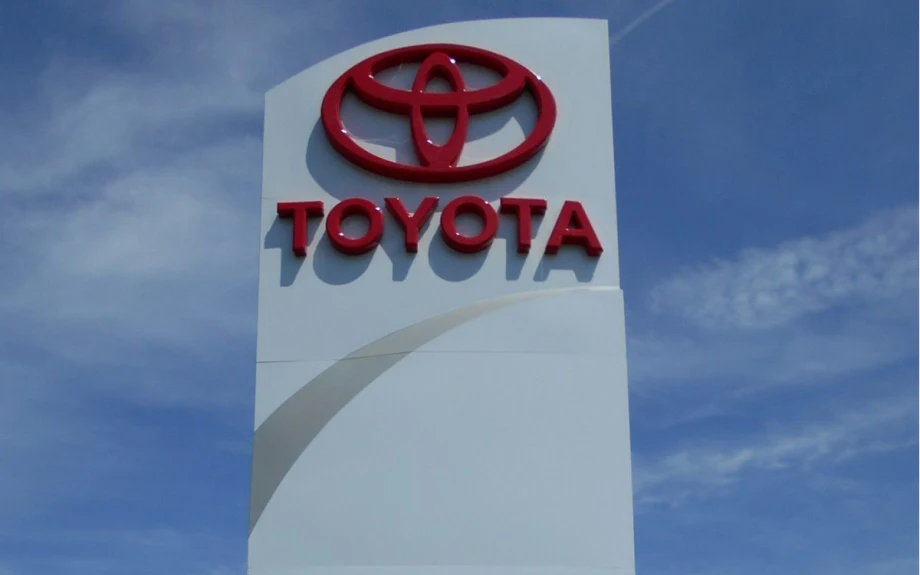
Toyota maintains operations in Europe will be carbon neutral by 2040, at Toyota Motor Europe’s annual Kenshiki presentation in Brussels.
IMAGE: Toyota
Toyota maintains operations in Europe will be carbon neutral by 2040, at Toyota Motor Europe’s (TME) annual Kenshiki presentation in Brussels.
Marvin Cooke, executive vice president of manufacturing for TME, outlined how the company plans to make its European manufacturing facilities carbon-neutral. The automaker, he said, will minimize energy consumption, switch to green energy and implement continuous improvement innovations to reduce or eliminate CO2 emissions.
He noted these efforts are already underway, with the automaker installing solar panels “equivalent to 10 football pitches” and recycling over 90% of the waste at its engine plant in Deeside in the U.K.
“We expect to be carbon-neutral as early as 2025,” he told Ward’s Auto. “(With) activities outside our direct control, such as upstream supply and logistics, the challenge is greater and one we will achieve in close collaboration with our partners and suppliers.”
Matt Harrison, president and CEO of TME, reported the company has two focus areas. “The first is carbon neutrality and how we plan to achieve it in areas of our business, and the second is the future of mobility as we transition from a manufacturing and sales company to a provider of mobility services,” he said.
Gill Pratt, chief scientist of Toyota Motor Corp. and CEO of Toyota Research Institute, shared how the automaker plans to approach decarbonization globally. Its efforts will include using multiple electrified technologies and optimizing the use of scarce resources to improve carbon reduction.
Toyota’s multi-powertrain-technology strategy will include battery-powered and hydrogen powered vehicles. Company leaders explain the short supply and high costs of battery materials and the lack of infrastructure make a combination of battery-electric, plug-in hybrid-electric, hybrid-electric and fuel-cell vehicles the best approach to reducing CO2 emissions over the next decade.
“We must do what is best for the environment, which is to extract the most carbon reduction from each battery cell produced, replacing as many non-electrified vehicles as possible with electrified ones, guided by the simple principle that carbon is the enemy, not any particular powertrain,” Pratt explained.
Originally posted on Auto Dealer Today
More Showroom

California Sees Quarterly Gains
California’s new-vehicle market saw a boost in hybrids in the third quarter and its first overall quarterly market gain of the year.
Read More →
New-Vehicle Prices Stay Put
Affordability pressures and model availability shaped new-vehicle sales in September, according to an analysis by Kelley Blue Book.
Read More →
EV Buyer Consideration Shifts
What drives American consumers to purchase an electric vehicle is shifting as the question moves away from Should I?' to 'Which features and experience do I want to have?'
Read More →
Year-to-Date Auto Sales Holding Their Own
A forecast through August shows that automakers have shifted strategies to keep deliveries and revenues up despite tariffs and other economic challenges.
Read More →
Slow to Robo
Ten years of polling consumers shows autonomous vehicles’ profiles have risen considerably, but even more people now want at least some level of control if they go that route.
Read More →
Dealers a Little Down
A third-quarter Cox Automotive survey finds them in a mixed mood, bummed by fallen customer traffic but encouraged by better profits, costs and EV interest.
Read More →
European EV Sales Skyrocket
The EV market on the continent held strong in July with almost 25% of new-car sales being fully electric units, a stark contrast to the U.S., where EV sales declined about 42%.
Read More →
Mitsubishi Unveils U.S. Plan
The automaker announced a strategy that includes an expanded lineup and dealership presence, along with more ‘rugged’ and electric models.
Read More →
Used Lots Getting the Business
Many consumers are seeking out the units to save money, and the demand – higher in July than normal – is keeping supply limited and prices up.
Read More →
Used Market Stabilizes
The Carfax Used Car Index noted a major drop in used-vehicle price increases in July after several months of hikes.
Read More →