



Trade Dispute Decision Could Move More Auto Manufacturing to Canada, Mexico
Preliminary ruling would give countries more leeway in meeting duty-free threshold.

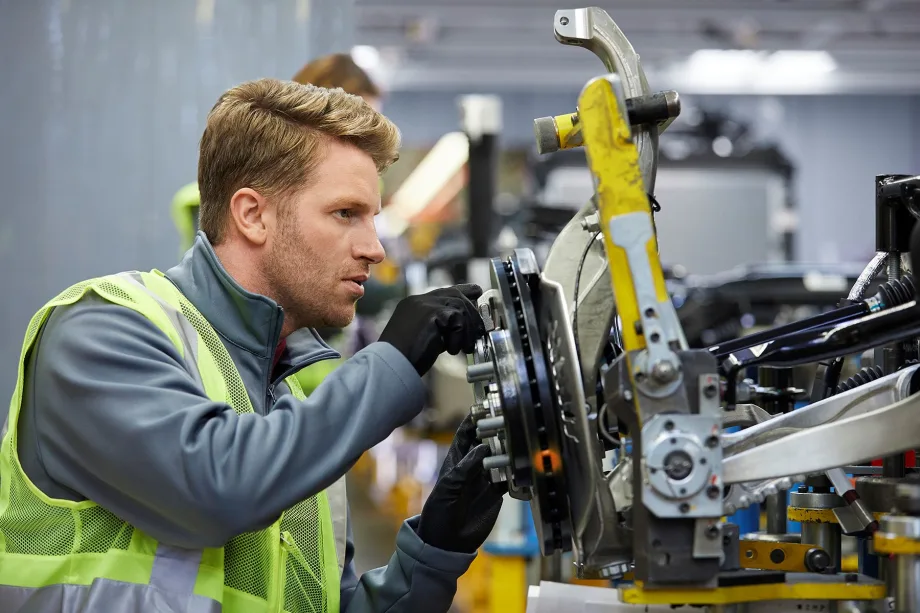
Vehicles are the top manufactured product traded among the three trade partners.
IMAGE: Getty Images/Morsa Images
Canada and Mexico prevailed in a trade fight with the U.S. over vehicles moved across regional borders in a decision that could lead to more auto parts manufacturing in those countries, Bloomberg reported.
The ruling by a panel convened under the 2020 U.S.-Mexico-Canada Agreement issued a preliminary ruling last month that hasn’t yet been made public, the news service said. The three countries have 30 days to respond to it before its final version is issued.
Mexico initiated the challenge in January, Bloomberg reported, to resolve a dispute among the countries over how to calculate the percentage of a vehicle that originates collectively in the three countries. It and Canada say the USMCA allows for more regionally made parts to be covered by tax-free shipping than the U.S. desires, Bloomberg said.
Under the USMCA, which replaced the Clinton-era North American Free Trade Agreement, or NAFTA, at the behest of former President Donald Trump, 75% of a vehicle’s components are to originate in the region to qualify for tax exemption.
The preliminary panel ruling could incentivize manufacturers to make car parts and assemble more cars in Canada and Mexico, particularly the latter, where wages are far lower than those in the U.S., and especially for high-cost components, such as electric batteries, one expert told Bloomberg. He said that the decision could both lower vehicle costs and increase carmaker profits.
The ruling apparently grants leeway in the percentage calculation. The new trade agreement had increased prices of North American-made vehicles due to the difficulty of achieving set domestic content amounts. The U.S. pushed a stricter calculation method than Canada and Mexico to determine parts’ origin, making it harder for plants in those two countries to meet the 75% threshold. NAFTA required a lower, 62.5%, threshold for duty-free shipping.
Vehicles are the top manufactured product traded among the three partners, Bloomberg said.
Originally posted on Auto Dealer Today
More Showroom

New Cars Less Affordable
Buying conditions eroded for American shoppers last month due to inflation and interest rates, though they fared better than a year ago.

October Sales Divided
Inventory trends split between the new- and used-vehicle markets, though prices continued to rise for both in October.

Auto Transaction Prices Hit New Height
October sales of big, pricey models push up the average, even as budget-conscious consumers snag more economical options.

Making the Safe Choice
Kelley Blue Book has turned households with teen drivers onto safe and affordable options for their vehicles of choice

Inventory Holds Steady
September new-vehicle inventory rose slightly month-over-month, but dealer lots are laden with MY2026 vehicles as the typical model year changeover trudges along.

October Auto Sales Fall With the Leaves
A forecast anticipates retail deliveries are down this month as consumers continue to face cost challenges, though more are tapping long loans in order to buy.

California Sees Quarterly Gains
California’s new-vehicle market saw a boost in hybrids in the third quarter and its first overall quarterly market gain of the year.

New-Vehicle Prices Stay Put
Affordability pressures and model availability shaped new-vehicle sales in September, according to an analysis by Kelley Blue Book.

EV Buyer Consideration Shifts
What drives American consumers to purchase an electric vehicle is shifting as the question moves away from Should I?' to 'Which features and experience do I want to have?'

Year-to-Date Auto Sales Holding Their Own
A forecast through August shows that automakers have shifted strategies to keep deliveries and revenues up despite tariffs and other economic challenges.