



UN Advances Fully Autonomous Vehicle Framework
While such cars aren’t on the public market yet, the United Nations established a safety-focused regulatory framework that's endorsed by the U.S.

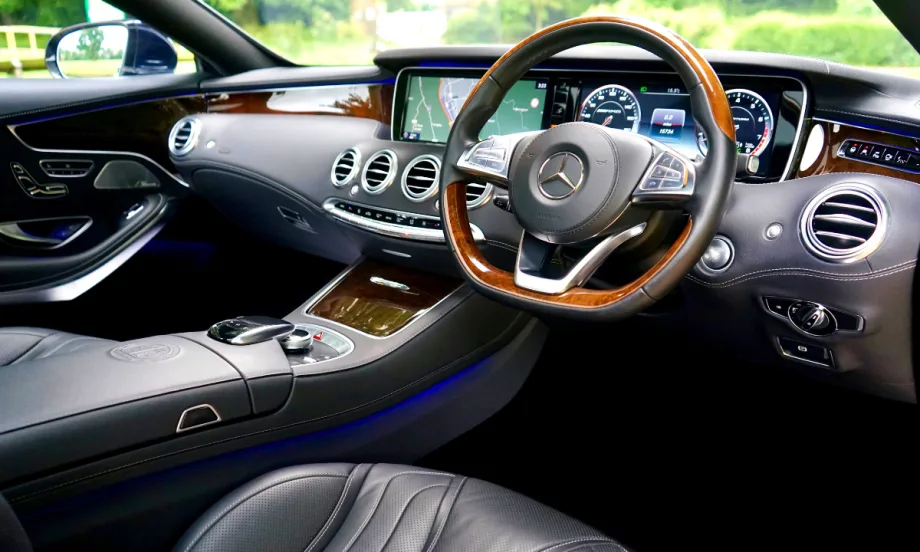
Major automotive markets, including the U.S., have endorsed the new regulation, according to the UNECE.
Pexels/Mike Bird
The United Nations Economic Commission for Europe has established the first-ever regulatory framework for fully driverless Automated Driving Systems on an international scale.
The commission’s World Forum for Harmonization of Vehicle Regulations adopted the framework to establish “uniform international safety requirements and a common methodology for validating ADS-equipped vehicles.”
The forum said it “aims to strengthen trust among governments, industry, and the public by ensuring that automated systems meet rigorous, outcome‑focused safety standards.”
The regulation includes guidance on safety-management systems for manufacturers; testing environments that meet strict credibility criteria; evidence that the ADS “poses no unreasonable risk”; continuous performance monitoring and reporting; and safety-relevant data storage.
Major automotive markets, including the U.S., have endorsed the regulation, according to the commission.
The development comes just four months after U.S. Rep. Bob Latta introduced the Self Drive Act of 2026, which aims to amend title 49 regarding the authority of the National Highway Traffic Safety Administration over vehicles with ADS “to provide safety measures for such vehicles, and for other purposes.”
In a nutshell, the bill adds cybersecurity requirements for manufacturers, establishes standard definitions for autonomous driving levels, expands NHTSA’s authority over vehicles with ADS, and directs NHTSA to develop new Federal Motor Vehicle Safety Standards specifically for ADS-equipped vehicles.
Perhaps the biggest provision in the bill is the federal preemption that would override state laws governing ADS vehicle design, construction and performance. However, states would retain their authority over licensing, registration, insurance and traffic enforcement.
The bill is currently in the first stage of the legislative process, not yet approved by the House or Senate.
More Industry
Auto Nameplate Loyalty Holds in Tough Times
Consumers have been faithful to brands despite financial pressures, and JD Power says that’s because automakers have made some wise moves.
Read More →
Top New Jersey RV Store Sells
Myer’s RV Superstore is expanding its footprint in the state with two new locations that it acquired from Ed Hutchinson Jr.
Read More →
Alliance Analyzes Technician Pipeline
A new industry report examines the state of skilled trades in the U.S. and details the drivers of demand for automotive repair and how technicians enter and grow in the workforce.
Read More →
Luxury Rooftop Changes Hands
Genesis of Glenview is getting a new owner and a new location, but its name will stay the same.
Read More →
Future-Proof Your Business
A new industry outlook details several ways that automotive companies can use the rise in artificial intelligence and advanced technologies to their advantage.
Read More →
Dealership Buy-Sells Keep Going Up
First-half transactions reflect continued high appetite for acquisitions despite falling profits, the most sought-after franchises bringing record prices.
Read More →
California Makes Electric Moves
New laws in the Golden State aim to advance consumer access to public electric-vehicle chargers and reduce costs and barriers to its infrastructure.
Read More →
Rare Earths Independence
Automakers seek alternatives to sourcing battery raw materials in volatile markets roiled by trade wars and disrupted supply chains.
Read More →
Volvo Appoints President and CEO
Klaus Zellmer will replace Håkan Samuelsson as president and CEO of Volvo Cars in 2027 as the company makes strategic shifts toward profitability and cash generation.
Read More →
Fix Up Your Fixed Ops
The department may hold untapped potential for your dealership. There are ways to unearth it and turn it around for more profits.
Read More →