



Upstream Remarketing Keeping Used-Vehicle Values Strong
Depreciation through the first half of 2018 stood at 13.7%, much lower than the 16.3% rate recorded in the year-ago period. Analysts say upstream remarketing has kept values strong despite the tidal wave of off-lease vehicles that returned to market during the period.
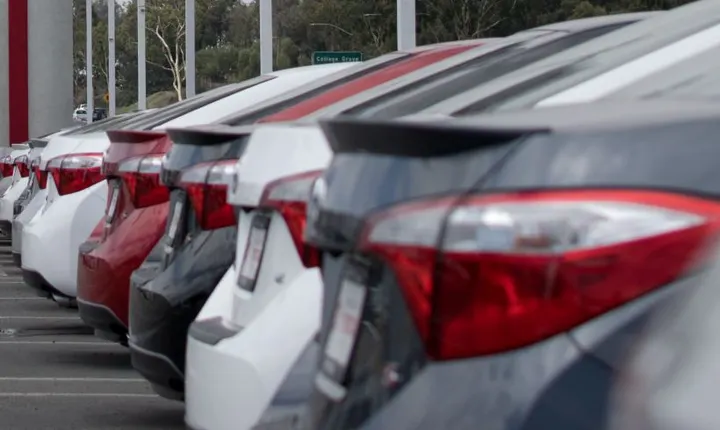
CARMEL, Ind. — The first half of 2018 has been a strong year for used vehicle values, and a growth in upstream remarketing is playing a helpful role.
Various factors had market analysts predicting that used vehicle values would suffer in 2018 — one of the largest factors being the expected off-lease tidal wave that would bring a surge in supply of three-year-old vehicles. The tidal wave hit, but the market has so far able to absorb the extra supply. Tom Kontos, chief economist for KAR Auction Services, believes upstream remarketing is the reason.
“We were really thinking there would be more impact due to supply growth this year. The remarketing industry itself has done a really good job of spreading the volume into various channels,” said Kontos. “Cars that used to end up at auctions are being sold upstream at the grounding dealers. Off-lease units don’t make it to auction; they get sold right at the turning point.”
Kontos expects the rise in upstream remarketing to continue, which is good news for used-vehicle values as more off-lease units return to market in the next two years.
Depreciation through the first half of 2018 stands at 13.7%, which is much lower than the 16.3% rate recorded one year ago. According to Kontos, that means used-vehicle values are performing about 3% better this year than they were in the first half of 2017.
The way things have played out has surprised Anil Goyal, executive vice president of operations for Black Book. He predicted that depreciation would be higher this year. The executive agrees that growth in upstream remarketing has helped, but he believes the ride-sharing business has helped as well.
Used vehicles make ideal vehicles for drivers in the ride-sharing environment due to their lower acquisition costs and availability, he noted.
As the ride-sharing business continues to grow, it’ll be another factor helping used-vehicle values stay in line as supply continues to grow, as more drivers in the business segment will mean more demand for the extra supply.
More Auto Finance

Interest Rates Further Squeeze Auto Consumers
Last month’s hike and a potential second increase this month add to a growing list of inflation woes that could continue to dent overall car sales.
Read More →
Mind Your Process
Consistent steps taken in various aspects of the F&I office can make valuable differences over time, similar to an outline for a best-selling book.
Read More →
Top Five Credit Application Fraud Flags
Compliance audits regularly reveal bad habits that can lead to fraud charges and should have been stamped out decades ago.
Read More →
More Auto Loans for the Taking in August
Riskier categories were on the uptick for the month as lenders loosened access in several areas while balancing out the exposure in another, Cox Automotive reported.
Read More →
July Was Hot for Auto Borrowers
Credit proved readily available for many, but most loans left buyers in negative territory, Cox Automotive said.
Read More →
Dealer Lender Preferences Revealed
When lenders provide consistent, fast service, their overall satisfaction scores with dealers greatly improve, according to JD Power research.
Read More →
Auto Refi Savings Surge
Consumers with 84-month auto loan terms who refinanced saved the most on monthly payments, according to a new report by auto refinancing provider Caribou.
Read More →
Subaru Enters Lending Business
The automaker follows other brands in adding captive financing in the U.S., and says the move will strengthen its position here.
Read More →
Positive Equity Reaches Record High
Mainstream vehicle owners who bought a car seven years ago are likely to have positive equity when trading in for a new vehicle, according to second-quarter Edmunds data.
Read More →
Dealerships Are Paying the Price for Extended Car Loans
Growing negative-equity scenarios mean such lengthy terms should be addressed in a forward-looking way to make them work for the dealer and the consumer down the road.
Read More →