



Used-Car Market Stabilizing
But report says that models are still selling for much more than before Covid, and at older ages.

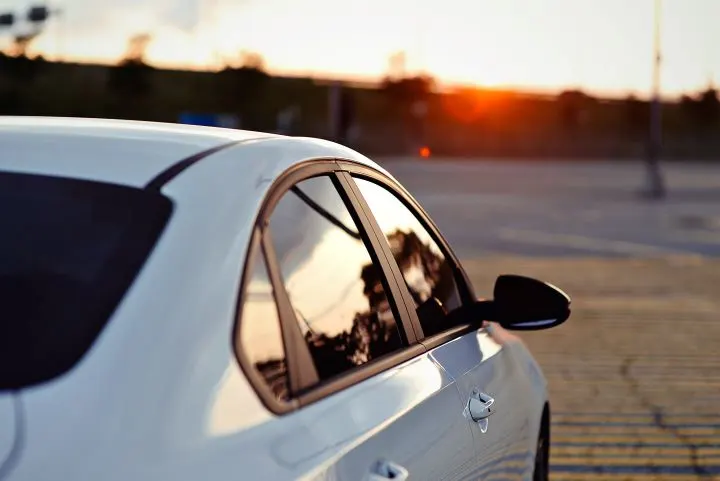
Edmunds said the gap between used and new vehicle pricing has started to widen anew after pandemic pressures brought them closer together.
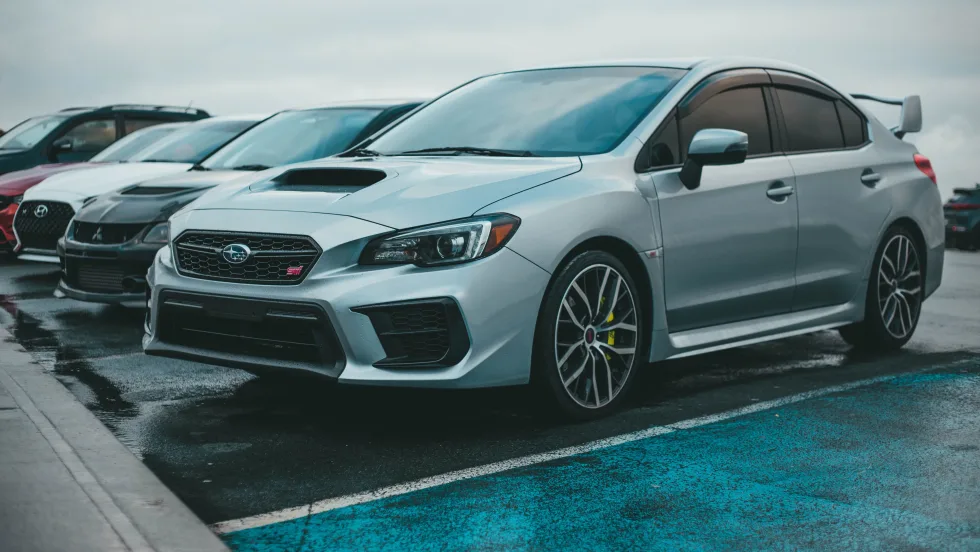
IMAGE: Pexels/Richard Taveira
The used-vehicle market, upended during the pandemic when new-car prices soared, is stabilizing, according to a new report.
Though the used market’s days’ supply was flat in October, according to Cox Automotive, a new report by Edmunds shows average sale prices fell about 6% year-over-year in the third-quarter in what it called a “course correction.”
"Q3 showed signs of a return to normalcy in the used car market, albeit at still-elevated prices," said Edmunds Director of Insights Ivan Drury. "Both dealers and consumers should benefit from the lessening of market turbulence as pricing and transacting can be handled with less risk that a vehicle's value will move sharply in either direction over a short period — as was happening throughout the past few years."
Edmunds said the revival of new-vehicle inventory has rewidened the gap between new and used pricing. It said the average price of vehicles 3 years old and newer was a little under $14,000 less than the average new-vehicle price, compared to the first-quarter 2022 gap of only about $9,000.
Edmunds said seasonal price shifts are also making a comeback, with familiar depreciation patterns, for instance, the least depreciated models being those whose supply is lower or that have limited competition, such as the 2021 Toyota Tacoma and Chevrolet Camaro.
Despite the stabilization, Edmunds said used inventory tends to be older, with higher mileage and short time on the lot. In fact, age and mileage were still up over prepandemic 2019 levels across price segments. “Shoppers who bought a used car in 2019 would need to increase their budget by nearly $10K to obtain a vehicle of a similar age and mileage today,” it said in its report.
In October, used days’ supply was an estimated 49, and inventory stood at 2.3 million, Cox reported.
Originally posted on Auto Dealer Today
More Showroom

New Cars Less Affordable
Buying conditions eroded for American shoppers last month due to inflation and interest rates, though they fared better than a year ago.

October Sales Divided
Inventory trends split between the new- and used-vehicle markets, though prices continued to rise for both in October.
Auto Transaction Prices Hit New Height
October sales of big, pricey models push up the average, even as budget-conscious consumers snag more economical options.

Making the Safe Choice
Kelley Blue Book has turned households with teen drivers onto safe and affordable options for their vehicles of choice
Inventory Holds Steady
September new-vehicle inventory rose slightly month-over-month, but dealer lots are laden with MY2026 vehicles as the typical model year changeover trudges along.

October Auto Sales Fall With the Leaves
A forecast anticipates retail deliveries are down this month as consumers continue to face cost challenges, though more are tapping long loans in order to buy.
California Sees Quarterly Gains
California’s new-vehicle market saw a boost in hybrids in the third quarter and its first overall quarterly market gain of the year.
New-Vehicle Prices Stay Put
Affordability pressures and model availability shaped new-vehicle sales in September, according to an analysis by Kelley Blue Book.
EV Buyer Consideration Shifts
What drives American consumers to purchase an electric vehicle is shifting as the question moves away from Should I?' to 'Which features and experience do I want to have?'
Year-to-Date Auto Sales Holding Their Own
A forecast through August shows that automakers have shifted strategies to keep deliveries and revenues up despite tariffs and other economic challenges.