



Used Vehicle Prices Slow Downward Spiral in July
July drop of 1.6% indicates slowing wholesale price declines, reports Cox Automotive.

Used retail sales were down as estimated 0.5% year over year in July.
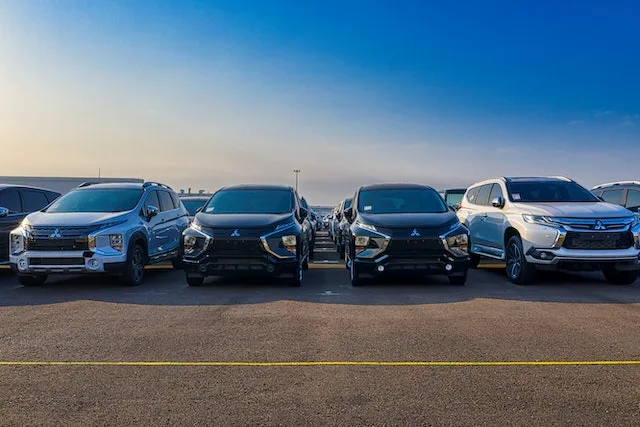
IMAGE: Tom Fisk, Pexels
Wholesale used-vehicle prices (on a mix, mileage, and seasonally adjusted basis) decreased 1.6% in July from June, according to Cox Automotive.
The Manheim Used Vehicle Value Index (MUVVI) also declined to 211.7, down 11.6% from a year ago, according to Cox.
“The July drop of 1.6% is an indicator of slowing wholesale price declines, at least when compared to the month-over-month losses we’ve seen since April,” reported Chris Frey, senior manager of Economic and Industry Insights for Cox Automotive.
He added, “While the year-over-year price drop was again double-digit, let’s put some perspective on that. From July 2020, there were 22 straight monthly double-digit increases through April 2022; we’ve had just six double-digit declines since October last year, with only four of them consecutive. Keeping to the April theme, we’re now back to the same index value last seen in April 2021: 211.7. Used retail inventory continues to rebuild; but with used retail sales also showing some summer strength, we do not foresee wholesale price declines of serious import through December.”
The unadjusted average used vehicle price took a hit in July, declining by 3.8% from June, and falling 10.7% from the previous year, finds Cox Automotive.
Cox reported there were also market segments that saw seasonally adjusted prices that continued lower year over year in July. Compared to July 2022:
Pickups and vans were down 6.6% and 9.9%, respectively
SUVs were down 11.5%
Compact cars were down 15.9%
Midsize cars were down 14.2%
Luxury vehicles fell 12.6%
Sports cars were down 12.1%
Except for sports cars, all segments also experienced a decline in sales compared to June, according to Cox. Pickups lost less than the industry month over month, down 0.6%, while vans, compact cars, and luxury lost the most, with declines of 3.2%, 2.8%, and 2.4%, respectively.
Overall, Cox Automotive reported used retail sales are estimated to be down only 0.5% year over year in July, which is the best performance since February. The average retail listing price for a used vehicle moved 1.8% lower over the last four weeks.
According to vAuto data, retail days' supply for used cars was at 46 days by the end of July. This is a three-day decrease from June's 49 days, and eight days lower than July 2022's 54 days. According to Manheim's sales and inventory data, wholesale supply for July is estimated at 27 days, which is a slight increase from June but still a decrease from July 2022's estimate of 30 days.
Originally posted on Auto Dealer Today
More Showroom

New Cars Less Affordable
Buying conditions eroded for American shoppers last month due to inflation and interest rates, though they fared better than a year ago.

October Sales Divided
Inventory trends split between the new- and used-vehicle markets, though prices continued to rise for both in October.

Auto Transaction Prices Hit New Height
October sales of big, pricey models push up the average, even as budget-conscious consumers snag more economical options.

Making the Safe Choice
Kelley Blue Book has turned households with teen drivers onto safe and affordable options for their vehicles of choice

Inventory Holds Steady
September new-vehicle inventory rose slightly month-over-month, but dealer lots are laden with MY2026 vehicles as the typical model year changeover trudges along.

October Auto Sales Fall With the Leaves
A forecast anticipates retail deliveries are down this month as consumers continue to face cost challenges, though more are tapping long loans in order to buy.

California Sees Quarterly Gains
California’s new-vehicle market saw a boost in hybrids in the third quarter and its first overall quarterly market gain of the year.

New-Vehicle Prices Stay Put
Affordability pressures and model availability shaped new-vehicle sales in September, according to an analysis by Kelley Blue Book.

EV Buyer Consideration Shifts
What drives American consumers to purchase an electric vehicle is shifting as the question moves away from Should I?' to 'Which features and experience do I want to have?'

Year-to-Date Auto Sales Holding Their Own
A forecast through August shows that automakers have shifted strategies to keep deliveries and revenues up despite tariffs and other economic challenges.