



Vicarious Liability Out, Big 3 In: Leasing Returns to N.Y.
In response to the signing of a federal transportation bill, Ford Motor Co., General Motors Corp. and DaimlerChrysler AG have announced that they will return to vehicle leasing in New York.
In response to the signing of a federal transportation bill, Ford Motor Co., General Motors Corp. and DaimlerChrysler AG have announced that they will return to vehicle leasing in New York.
Their respective financing units – Ford Motor Credit, GMAC and Chrysler Financial – had pulled leasing from the state due in large part to New York’s 81-year-old vicarious liability law, according to a Reuters report.
President Bush signed the $286 billion bill Aug. 10, which repealed the law. Vicarious liability placed responsibility of injuries and property damage caused by the driver in the hands of the leasing company since its name appeared on the title.
GMAC stopped New York leasing in April 2003. Ford Motor Credit discontinued it three months later, as did Chrysler Financial in May 2004.
Leasing in the state fell 75 percent after GM pulled out. The higher tax alone added $707 to the average vehicle purchase.
New York was the only state with an unlimited vicarious liability law, resulting in some banks putting a stop to leasing programs, as well.
Automakers had offered purchasing alternatives to leasing, but they often cost more. One method allowed car buyers to make a one-time "balloon" payment, but sales tax was paid on the full value of the vehicle.
GM and Chrysler will begin leasing immediately. Ford plans to pick back up in September, the report said.
Also in response to the liability repeal, GMAC plans to lift a 39-month limit on Rhode Island leases.
More F&I

Smaller Loans, Longer Terms
The youngest generation of car buyers is more likely to finance less expensive vehicles, more than half of generation Z consumers borrowing less than $25,000.
Read More →
New Lifetime Battery F&I Product Meant to Drive Dealer Traffic
EFG Cos. offering is intended to create lifetime auto dealer engagement with customers.
Read More →
The Psychology Behind Menus That Increase Add-On Sales
There is a science to crafting a menu that gives customers confidence in the choices presented, and moving the process outside the F&I office can further boost results.
Read More →
Why Your F&I PVR Is Misleading You
Here’s a handy checklist of the numbers to track in 2026 instead.
Read More →
Auto Consumer Anxiety Presents Opportunity
A survey of U.S. drivers found the majority are concerned about finances and the economy, but those fears make many ready to buy vehicle-protection products.
Read More →
Humble and Hungry: 12 Rules for an F&I Life
Dustin Gingerich, with a decade in the F&I business under his belt, shares his thoughts on leadership, building trust with customers, and the importance of learning and innovation.
Read More →
Focus on the Opening
F&I managers must learn as much as possible about their customers, starting before they walk into their offices. The bulk of today’s consumers expect that, and good results will follow.
Read More →
F&I Reaches for the Sky
The increasingly important profit center continued making gains in the first quarter, according to StoneEagle data, ancillary products proving more popular as consumers hold onto their buys longer.
Read More →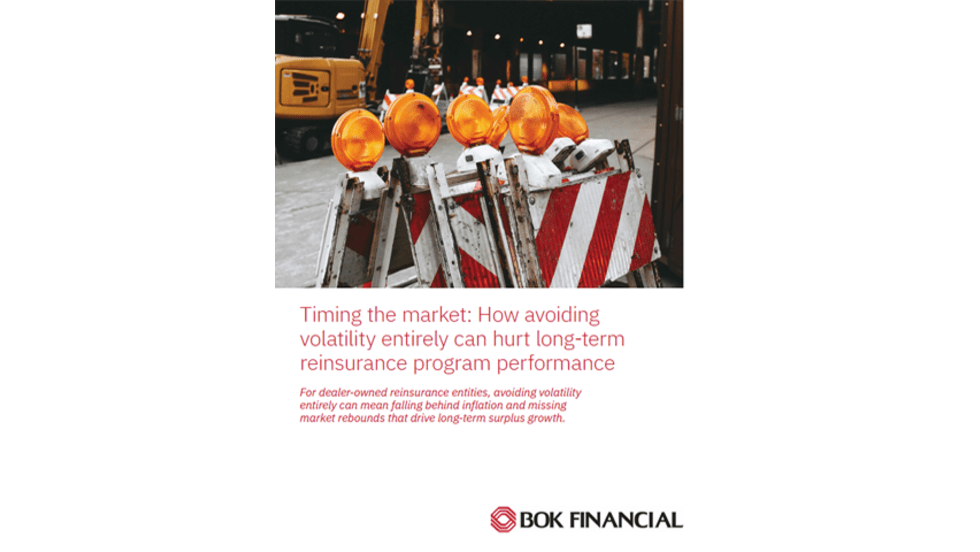
What Market Timing Mistakes Mean for Your Reinsurance Program
When volatility hits, dealer-owned reinsurance programs face a familiar temptation: pull back and wait for calmer waters. New data from BOK Financial shows why that instinct can quietly cost you years of surplus growth.
Read More →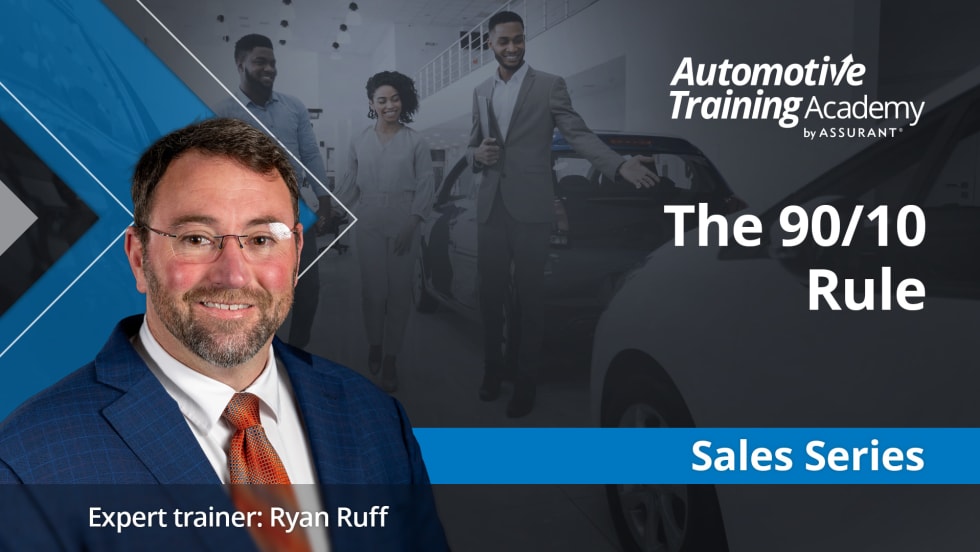
The 90/10 Rule
In this video, Ryan Ruff explains the rule that elite sales professionals use to turn ordinary conversations into unforgettable customer experiences.
Read More →