



VW Dealers To Get More Crossovers Because of Ukraine Conflict
Volkswagen Group will shift production to China and North America after wire harness and other material shortages from Russia's invasion of Ukraine impact European production.


Volkswagen
The Ukraine-Russia conflict will put more new crossovers on the lots of U.S. Volkswagen dealerships in upcoming months.
CEO Herbert Diess told reporters at a press conference that the German automaker would shift more production to North America and China, at least temporarily, as a result of the war.
The move is expected to increase output from VW-brand plants in Chattanooga and Puebla, Mexico, as well as the Audi plant in San Jose Chiapa, Mexico, all of which assemble crossovers mostly sold in the U.S. Chattanooga produces the VW Atlas and Atlas Cross Sport and builds non-saleable pilot versions of the ID4 battery-electric crossover. Puebla assembles the VW Tiguan and Taos. The Audi plant produces the popular Q5.
VW’s China plants will also benefit, as microchips destined for use in Europe are reallocated to China and North America.
The most significant supply chain constraint at the moment are wire harnesses produced in Ukraine, Diess said. If VW cannot reallocated production (from Germany to other plants) in three to four weeks, the automaker’s outlook will need revision, Diess said.
Diess also warns semiconductor shortages, supply bottlenecks, high commodity prices and the Russia-Ukraine conflict will trim growth in 2022 as challenges mount against the auto industry.
VW brand sold 375,030 vehicles in the U.S. in 2021, up 15% from 2020. About 73% of these sales were crossovers. The automaker captures 2.5% of U.S. auto sales and when sales from other group brands, Audi, Porsche, Bentley and Lamborghini, are included its market share jumps to 10%.
Tom McMenamin, chairman of the VW National Dealer Advisory Council, confirmed dealers will see more North American-built vehicles heading to their lots in 2022. He speculated that getting more crossovers from Chattanooga and Puebla for VW's 638 U.S. dealerships will allow the brand to gain U.S. market share as other automakers struggle with their own supply constraints
Originally posted on Auto Dealer Today
More Showroom
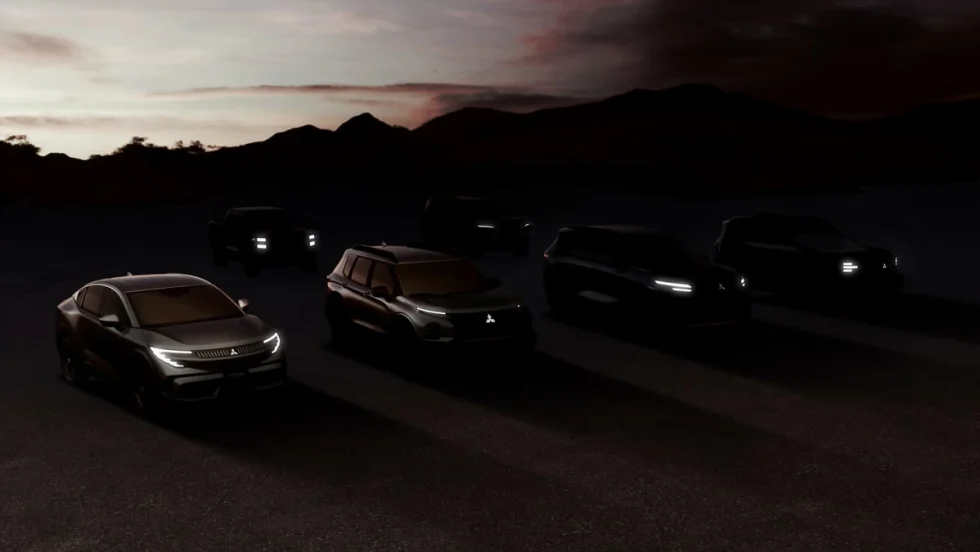
Mitsubishi Unveils U.S. Plan
The automaker announced a strategy that includes an expanded lineup and dealership presence, along with more ‘rugged’ and electric models.
Read More →
Used Lots Getting the Business
Many consumers are seeking out the units to save money, and the demand – higher in July than normal – is keeping supply limited and prices up.
Read More →
Used Market Stabilizes
The Carfax Used Car Index noted a major drop in used-vehicle price increases in July after several months of hikes.
Read More →
California Hybrids Reach State Record
The Golden State still leads the country in electric-vehicle registrations, but much like the rest of the U.S. its hybrid market share is up while full electrics stabilize after a dramatic first-quarter dip.
Read More →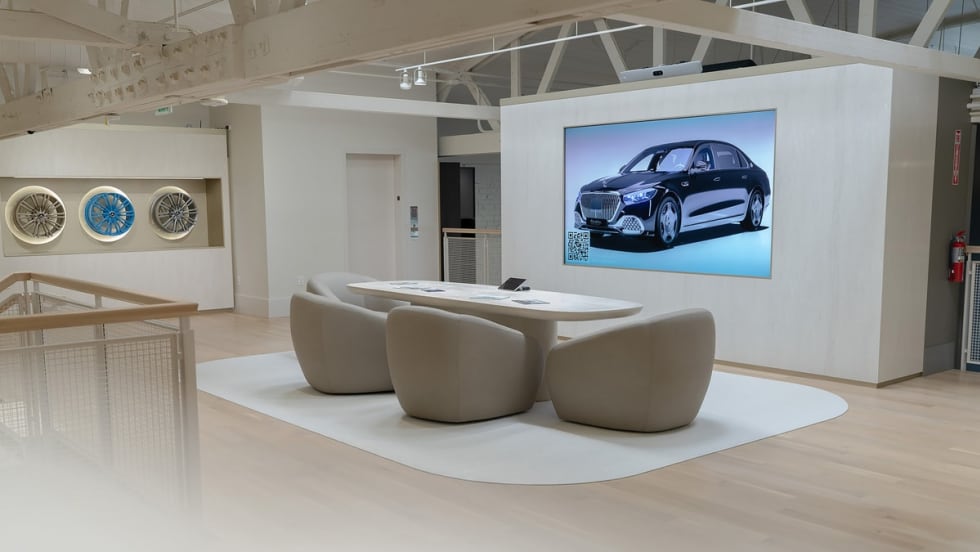
My Mercedes in the U.S.
The German brand debuted its studio dealership concept for the first time in the states in Los Angeles, tapping Americans’ penchant for creative distinctions.
Read More →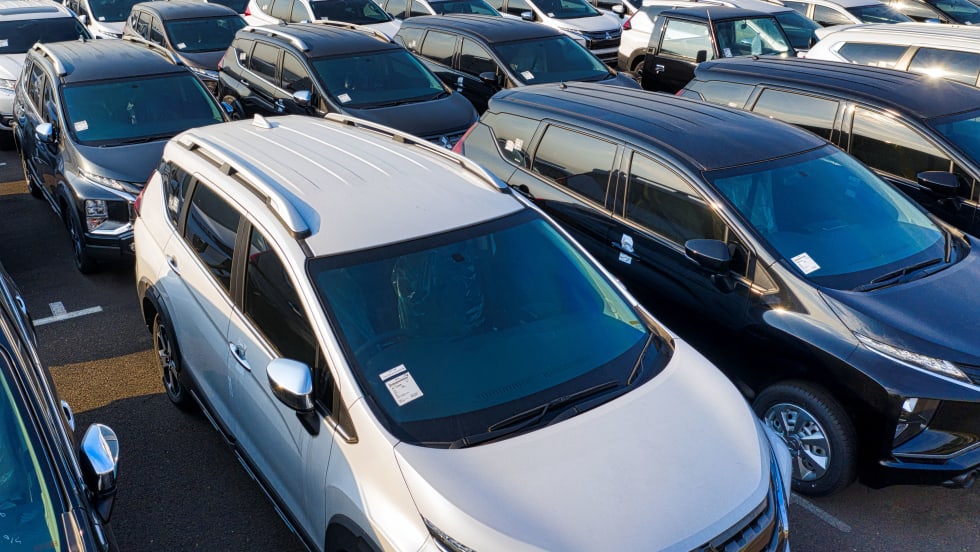
Used Sales Hit Summer Drag
The vacation season, combined with high prices, has dented deliveries and added to inventories, though supply is still slim enough to keep listings elevated.
Read More →
California Launches EV Rebate Program
Participating automakers are matching the state's $13.5 million investment in new electric-vehicle rebates scheduled to take effect later this summer.
Read More →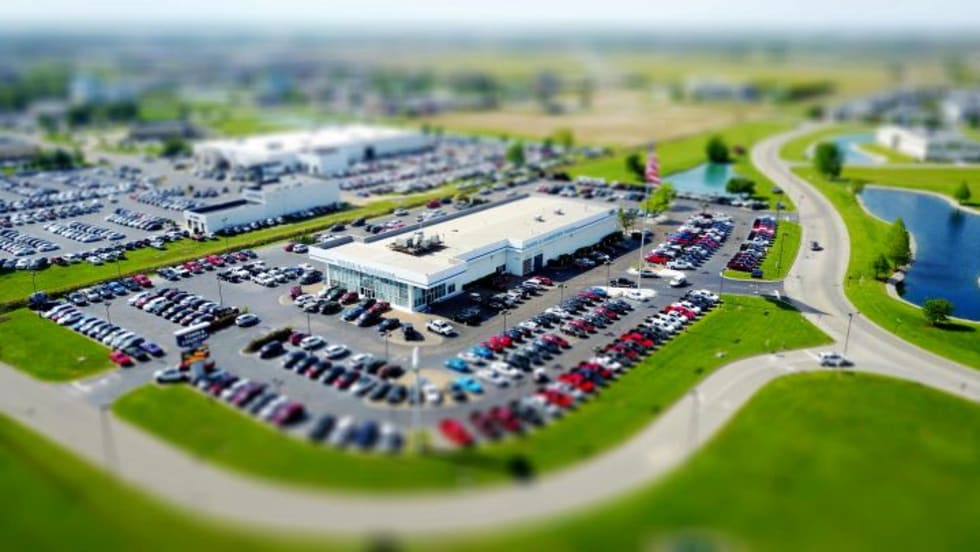
OEM Poll Sees Industry Evolution
Kerrigan Advisors’ survey of automakers finds that tariffs, technology, network tightening and other factors are poised to reshape auto retail.
Read More →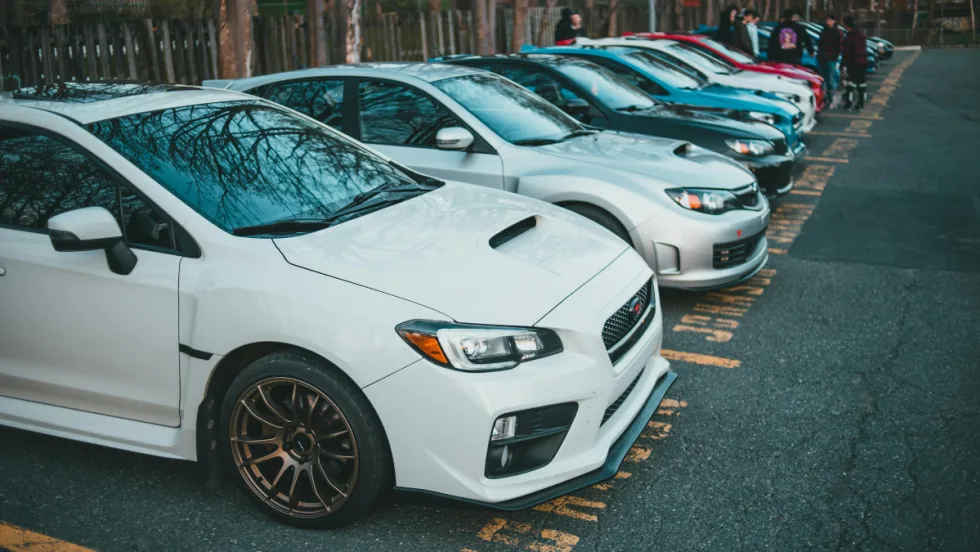
The Trade-In Paradox
Retailing older cars with confidence in today’s market is a matter of establishing and following a clear process that can turn greater profit for auto dealers as they aim to meet used-unit hunger.
Read More →
Focus on Vehicle Cabins
The market for interior materials will grow in coming years as automakers look to meet consumer demand while staying competitive with changeups to sourcing and included features.
Read More →