



Weekly Market Insights Report
With economic patterns driven by the pandemic, normal seasonal patterns in the wholesale market were not observed for most of the year. We saw a similar picture in 2009, at the end of the Great Recession.

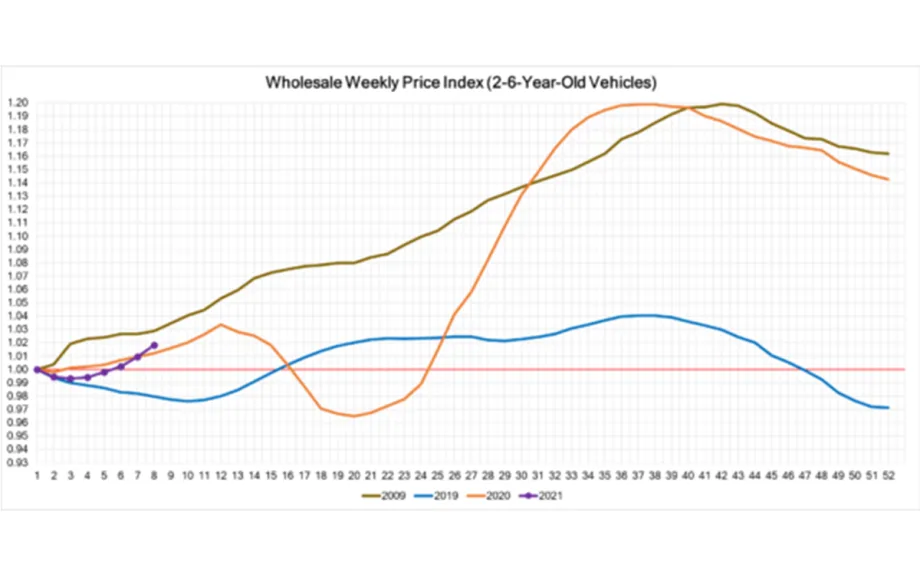
With economic patterns driven by the pandemic, normal seasonal patterns in the wholesale market were not observed for most of the year. We saw a similar picture in 2009, at the end of the Great Recession.
BLACK BOOK – Black Book recently released their weekly Market Insights report:
Wholesale Prices, Week Ending February 20th
Despite the cold weather ravaging much of the country, wholesale values continued their ascent this past week with nearly all reporting segments experiencing gains. Available used volume being offered in the market is constrained so sellers are holding firm to floors and buyers are willing to pay the elevated asking prices as they prepare for Spring.
This Week. Last Week 2017-2019 Average (Same Week)
Car segments +0.61%. +0.39% -0.38%
Truck & SUV segments +0.33% +0.22% -0.36%
Market +0.43% +0.28% -0.37%
Car Segments
The Car segments continued their gains this past week, with the rate of increase growing to +0.61%.
Sporty Cars had the largest increase at +1.09%, making this the fourth week in a row of positive price movement for the seasonally sensitive segment.
The popular tax season segment, Compact Cars, had a fifth week of gains at +0.99%, similar to the prior week’s +1.02% adjustment.
The Near Luxury Car segment was the only Car segment to see a decline this past week, but it was small at only -0.10%.
Truck Segments
The Truck segments also increased the rate of gains this past week at +0.33%, compared to +0.22% the week prior.
Supply of delivery vans continues to be low and this is seen in the gains of the Compact and Full-Size Van segments.
The Full-Size Luxury Crossover/SUV segment was the only truck segment to see a decline in values this past week, but the declines were small at only -0.15%.
Full-Size Trucks continue to be in high demand and the rate of increase is growing each week, +0.46% this past week compared to +0.29% the week prior.
Weekly Wholesale Index
2020 ended with used wholesale prices at elevated levels. With economic patterns (including the automotive market) driven by the pandemic, normal seasonal patterns (e.g. 2019 calendar year) in the wholesale market were not observed for most of the year. We saw a similar picture in 2009, at the end of the Great Recession. The question still remains whether we will go back to normal seasonality in 2021. So far, Spring market arrived about 7 weeks earlier than during a typical pre-COVID year.
Retail (Used and New) Insights
Jaguar is the latest brand to announce their all-electric plans for the future, with their goal to transition their entire Jaguar line-up by 2025. Land Rover also plans to make progress toward electrification with 60% of their sales being electrified by 2030. As part of their planning for the future, they announced they would be cutting 2,000 global salaried jobs next year.
In a similar move related to electrification, Ford announced their European plans to go all electric by 2030 with their passenger car line-up.
Production disruptions continue to plague the auto industry, but it is no longer just the microchip shortage causing challenges. Weather related closures wreaked havoc across many parts of the US last week. Additionally, some Japanese manufactures had impacts due to an earthquake in northeastern Japan. Nissan and Toyota had to alter their production schedules due to some of their suppliers being affected by the quake.
Consumer Reports did their annual ranking of the most reliable brands. For this year, Mazda, BMW, and Subaru took the top three spots.
Used Retail Prices
With the proliferation of ‘no-haggle pricing’ for used-vehicle retailing, asking prices accurately measure trends in the retail space. Retail demand slowed down leading up to the December holidays, and thus resulted in declining retail asking prices over the last several weeks of 2020. As demand rebounded in January, retail prices seemed to lag wholesale prices – retail asking prices continued to decline throughout January and have remained stable in February. This analysis is based on approximately two million vehicles listed for sale on US dealer lots.
Volume
Used Retail
Used retail listing volume stayed essentially flat since the beginning of the year but remains at levels above where the industry was in January, during the pre-COVID time of 2019.
Days-to-turn have been increasing since November and is approaching historic average level. Recently, the trend is starting to show signs of reversing as retail demand picks up in many parts of the country.
Wholesale
Auction sales rates remained strong last week with the no-sales being the result of sellers holding very firm to floors and not lack of bidder interest. Overall, bidding activity was strong across the country. Even with the poor weather plaguing so many locations, the comfort level of buyers utilizing the digital platform kept the sales rates strong.
Remarketers continue to report limited volume in their pipeline, so they are holding firm to floors because of this knowledge. In some cases, they are willing to turn away a buyer over as little as $100.
Bidding activity was strong from all buyers this week, with some lanes even seeing the smaller independents squeezing the larger independents out of the bidding with their determination to secure inventory.
More Showroom
California Sees Quarterly Gains
California’s new-vehicle market saw a boost in hybrids in the third quarter and its first overall quarterly market gain of the year.
Read More →
New-Vehicle Prices Stay Put
Affordability pressures and model availability shaped new-vehicle sales in September, according to an analysis by Kelley Blue Book.
Read More →
EV Buyer Consideration Shifts
What drives American consumers to purchase an electric vehicle is shifting as the question moves away from Should I?' to 'Which features and experience do I want to have?'
Read More →
Year-to-Date Auto Sales Holding Their Own
A forecast through August shows that automakers have shifted strategies to keep deliveries and revenues up despite tariffs and other economic challenges.
Read More →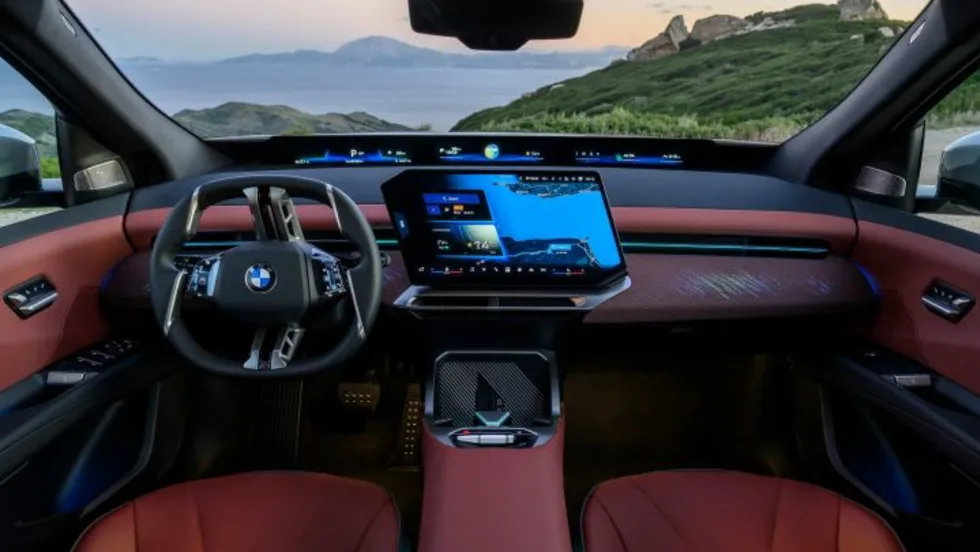
Slow to Robo
Ten years of polling consumers shows autonomous vehicles’ profiles have risen considerably, but even more people now want at least some level of control if they go that route.
Read More →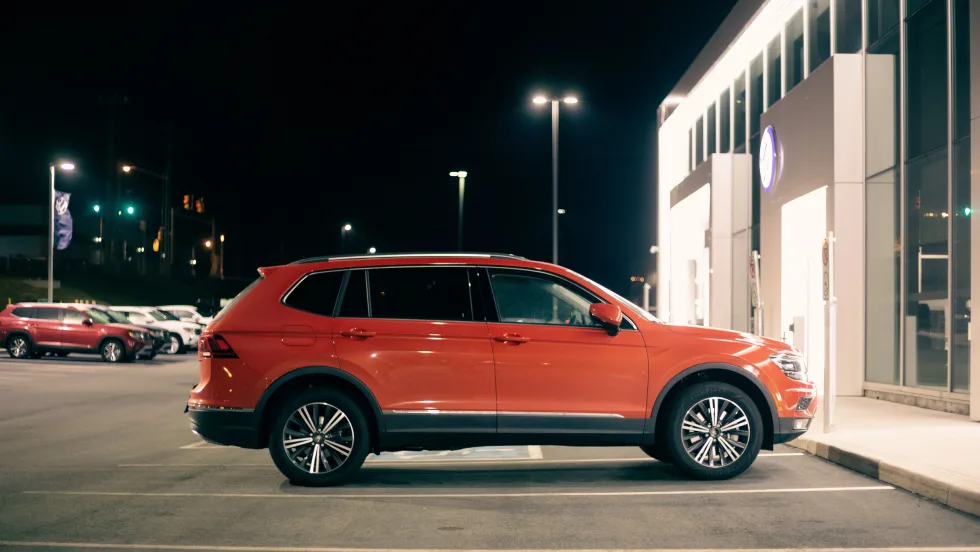
Dealers a Little Down
A third-quarter Cox Automotive survey finds them in a mixed mood, bummed by fallen customer traffic but encouraged by better profits, costs and EV interest.
Read More →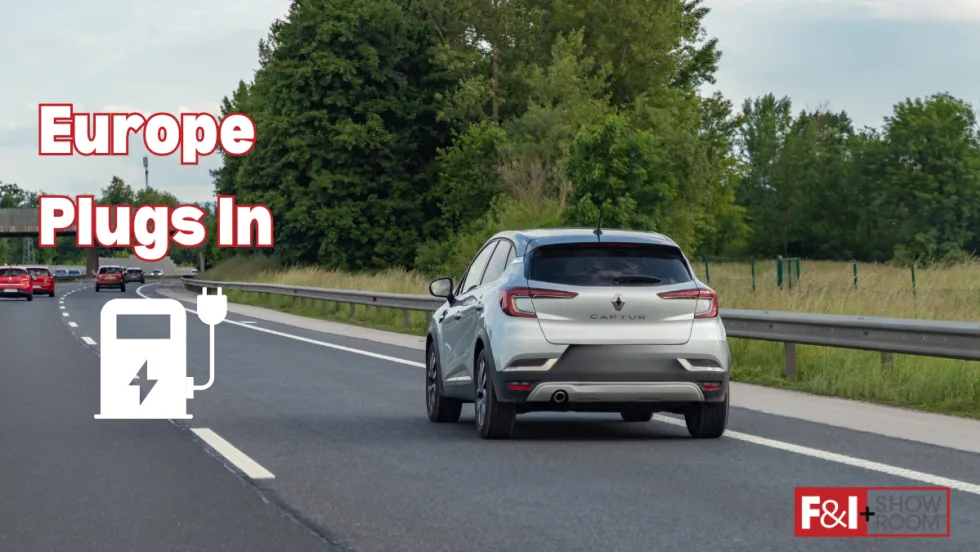
European EV Sales Skyrocket
The EV market on the continent held strong in July with almost 25% of new-car sales being fully electric units, a stark contrast to the U.S., where EV sales declined about 42%.
Read More →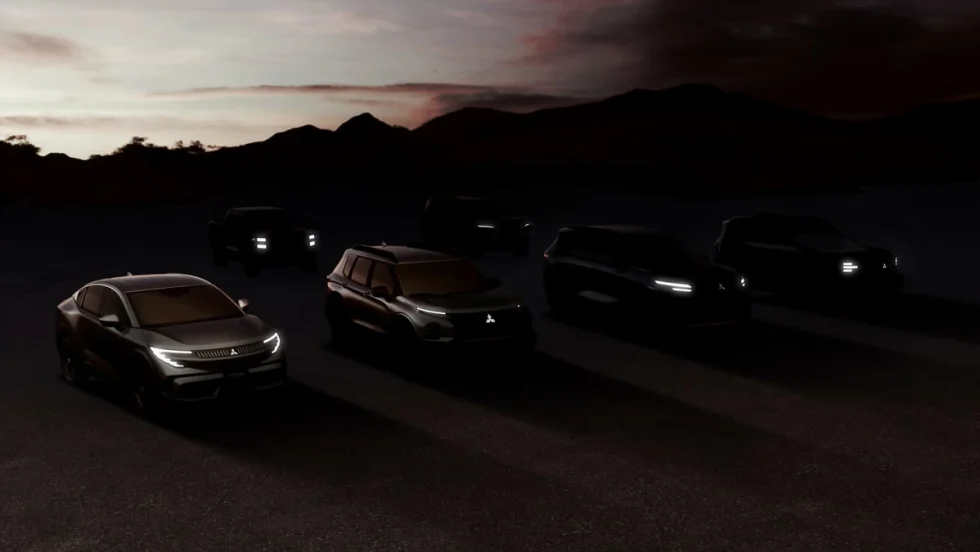
Mitsubishi Unveils U.S. Plan
The automaker announced a strategy that includes an expanded lineup and dealership presence, along with more ‘rugged’ and electric models.
Read More →
Used Lots Getting the Business
Many consumers are seeking out the units to save money, and the demand – higher in July than normal – is keeping supply limited and prices up.
Read More →
Used Market Stabilizes
The Carfax Used Car Index noted a major drop in used-vehicle price increases in July after several months of hikes.
Read More →