



CFPB Fines SNAAC for Violating 2015 Consent Order
Security National Automotive Acceptance Co. agreed to pay $1.25 million to settle the bureau's charges that it failed to pay $2.275 million in consumer redress for illegal debt-collection tactics under the regulator's October 2015 order. But the company did so without admitting to the CFPB's finding, company officials said.
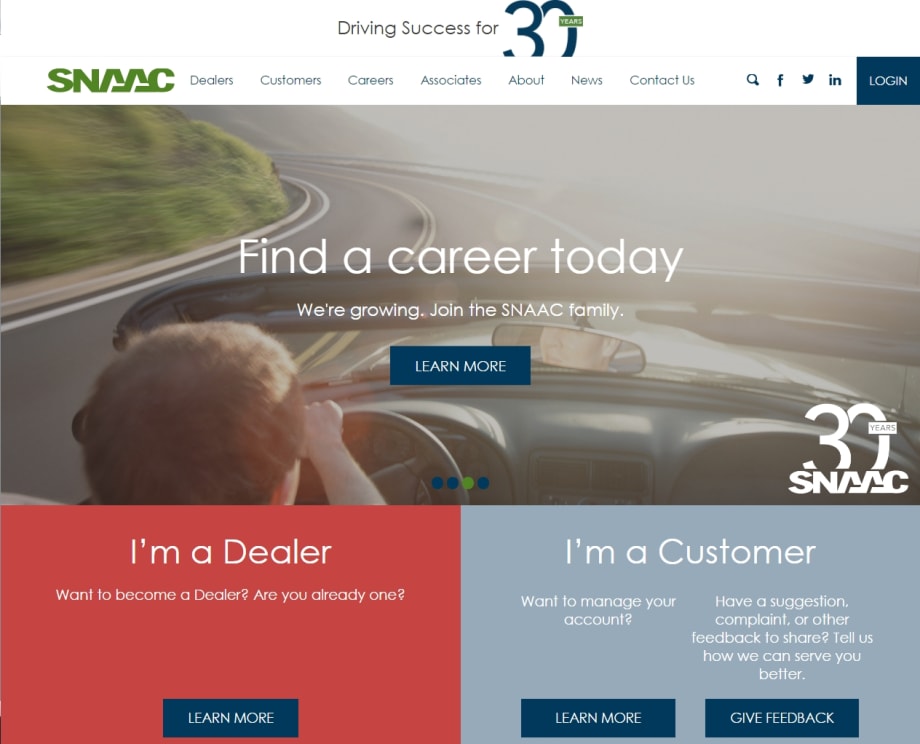
WASHINGTON, D.C. — The Consumer Financial Protection Bureau (CFPB) took action this week against Security National Automotive Acceptance Co. (SNAAC) for violating its October 2015 consent order, which ordered the auto finance source to pay both redress and a civil penalty for illegal debt-collection tactics.
According to the bureau's April 27 announcement, SNACC violated the 2015 order by failing to provide more than $1 million in refunds and credits to more than 1,000 consumers. Today’s consent order requires SNAAC to make good on the redress it owes and pay an additional $1.25 million penalty.
“The company violated a bureau order when it failed to get money back to servicemembers it has hounded with illegal debt-collection tactics,” said CFPB Director Richard Cordray. “We are making sure this company finally rights its wrong.”
In an emailed statement to F&I and Showroom, SNAAC said the settlement resolves a disagreement between the finance company and the bureau over the intepretation of part of the 2015 order. "SNAAC agreed to this settlement to close the matter and move forward in serving customers in the respectful, honorable manner that has been the company's tradition," read the statement, in part. "The CFPB acknowledges in the settlement agreement that SNAAC has consented to the order 'without admitting" to its findings."
Based in Mason, Ohio, SNAAC operates in more than two dozen states and specializes in loans to servicemembers, primarily to buy used vehicles. In June 2015, the bureau sued the finance source for aggressive collection tactics against consumers. If servicemembers fell behind on payments, the bureau charged, SNAAC’s collectors would threaten to contact — and in many cases did — their chain of command about their debts. The bureau also said the company exaggerated the consequences of not paying, such as telling servicemembers that failure to pay could result in action under the Uniform Code of Military Justice, demotion, discharge, or loss of security clearance.
In October of that year, the CFPB issued a consent order against the finance source for engaging in unfair, deceptive, and abusive acts and practices while collecting on auto loans. The order required SNAAC to pay $2.275 million in consumer redress through credits and refunds and a $1 million civil penalty. Consumers with a balance with SNAAC were to receive account credits, while consumers with a zero balance were to receive cash refunds. SNAAC submitted two plans to meet its obligations under the consent order, but both plans, the bureau now charges, were designed to underpay the redress.
According to today’s announcement, the bureau, acting on a tip from a servicemember’s father, discovered that the finance source had issued “worthless credits to hundreds of consumers and failed to provide proper redress to many more.”
In today’s order, the CFPB claimed SNAAC issued credits on settled-in-full accounts, treating those accounts as having a positive account balance even though servicemembers could not use those credits toward any new or existing loan. It also charges the finance company with issuing credits to consumers whose debts had already been discharged in bankruptcy. It also alleges the company failed to properly give redress to consumers making payments under settlement agreements. In many instances, the bureau noted, SNAAC issued credits that exceeded consumers’ settlement balances rather than refund any amount above what the consumers actually owed. That resulted in some consumers unwittingly overpaying SNAAC to settle their accounts.
The CFPB has now ordered SNAAC to pay redress as promised to affected consumers, which amounts to about $720,000. It must also issue about $370,000 in new credits to more than 1,000 consumers with remaining account balances as well as properly credit about 1,000 consumers making payments under settlement agreements. The finance source must also pay $75,000 to the bureau to cover costs of distributing these payments.
The $1.25 million fine SNAAC must also pay to the CFPB Civil Penalty Fund is in addition to the $1 million penalty it paid under the 2015 consent order.
In its emailed statement, the finance company noted that the original consent order covered approximately 2,200 of the more than 83,000 accounts serviced by SNAAC between 2011 and 2015. It's issue with the bureau, the company said, was the application of credits provided to a fraction of those accounts that had already "benefited from a settlement balance for substantially less than was owed."
"Although SNAAC disagreed with the CFPB's interpretation of the 2015 consent order, the company offered to pay all the disputed amounts in order to move forward," the company said. "The CFPB declined the offer and began an inquiry. SNAAC fully cooperated and responded quickly to all requests for data, reports and testimony."
More F&I

Why Your F&I PVR Is Misleading You
Here’s a handy checklist of the numbers to track in 2026 instead.
Read More →
Auto Consumer Anxiety Presents Opportunity
A survey of U.S. drivers found the majority are concerned about finances and the economy, but those fears make many ready to buy vehicle-protection products.
Read More →
Humble and Hungry: 12 Rules for an F&I Life
Dustin Gingerich, with a decade in the F&I business under his belt, shares his thoughts on leadership, building trust with customers, and the importance of learning and innovation.
Read More →
Focus on the Opening
F&I managers must learn as much as possible about their customers, starting before they walk into their offices. The bulk of today’s consumers expect that, and good results will follow.
Read More →
F&I Reaches for the Sky
The increasingly important profit center continued making gains in the first quarter, according to StoneEagle data, ancillary products proving more popular as consumers hold onto their buys longer.
Read More →
Timing the Market Can Hurt Long-Term Program Performance
For dealer-owned reinsurance entities, avoiding volatility entirely can mean falling behind inflation and missing market rebounds that drive long term surplus growth. Missing just a handful of strong market days can materially impact cumulative returns—an important reminder for long horizon trust and investment strategies.
Read More →
The 90/10 Rule
In this video, Ryan Ruff explains the rule that elite sales professionals use to turn ordinary conversations into unforgettable customer experiences.
Read More →
Your Office Is Talking
What’s the atmosphere saying about you to your customers? You can make minor adjustments and additions that transform your space into one that creates trust with the people on the other side of the desk.
Read More →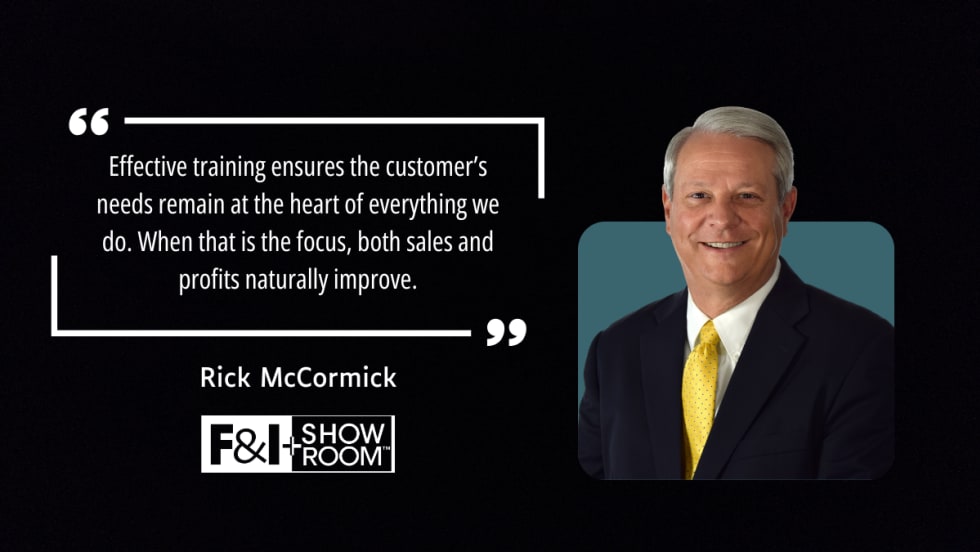
F&I Training Fundamentals
How can auto dealerships help F&I managers fulfill their vital role in the most effective ways? Industry expert Rick McCormick shares his insights on the best ways to train these professionals and help them maintain good habits.
Read More →
Not Just Any Tire Will Do
More consumers and businesses are opting for all-season options for various reasons as safety, sustainability and convenience push practical change.
Read More →