



Pa. Dealer Agrees to Pay $2.1 Million to End Prosecution Into Bank Fraud
According to the U.S. Attorney’s Office, Hallman Chevrolet falsified loan documents as well as costume jewelry brought in by customers as collateral for purported down payments over a six-year period beginning in 2009. The dealer, David Hallman, accepted responsibility for the scheme and agreed to pay a $1.4 million fine and more than $737,000 in restitution to end federal prosecution.

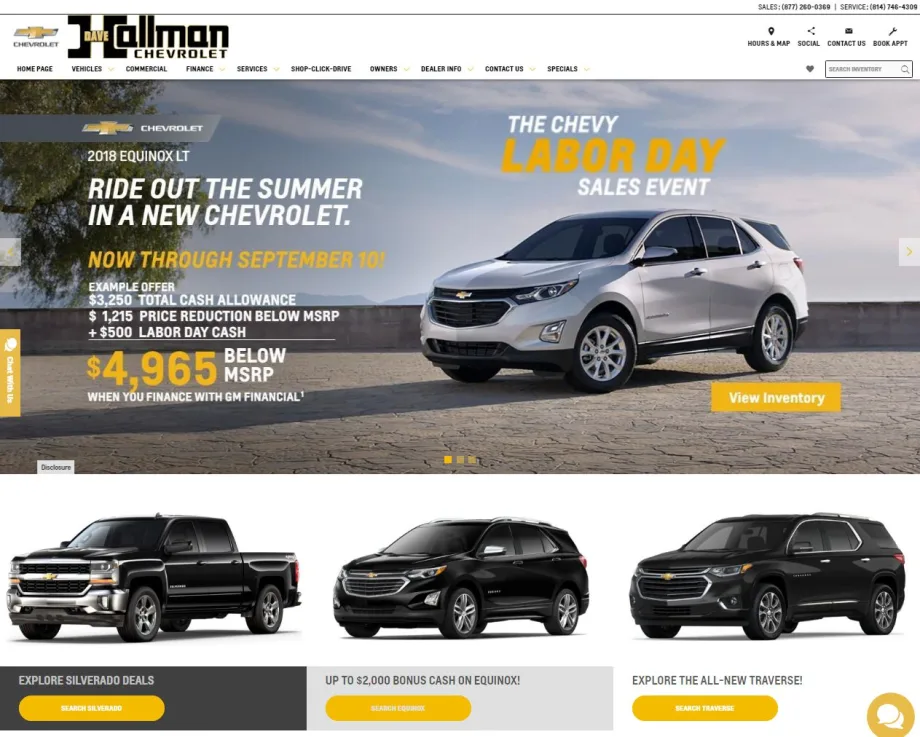
ERIE, Pa. — A Pennsylvania Chevrolet dealership has agreed to pay a $1.4 million fine and more than $737,000 in restitution to various financial institutions for falsifying loan documents in hundreds of transactions over a six-year period, the U.S. Attorney’s Office for the Western District of Pennsylvania announced on Friday.
As part of the agreement to end federal prosecution, David Hallman accepted responsibility for the bank fraud scheme his Hallman Chevrolet dealership engaged in between 2009 and 2015. The agreement requires the monitoring of the dealer’s conduct over the next four years and imposes other substantial obligations on the dealership and its owner.
“The perpetration of large-scale auto loan fraud schemes in western Pennsylvania must stop,” said U.S. Attorney Scott Brady. “The auto dealership industry is put on notice that substantial penalties await those who engage in such schemes. In addition to the combined fine and restitution exceeding $2 million, the Policies, Procedures, Compliance and Ethics program required by this agreement should serve as a template for responsible, ethical conduct within the industry.”
According to the regulator, Hallman Chevrolet manipulated bills of sale and bank lending contracts to hide from financial institutions the true source of customer down payments. The dealership employees coached customers to provide jewelry — most of which was low-value costume jewelry — to Hallman Chevrolet in exchange for the dealership making it appear as though they provided valuable down payments.
The scheme, which was uncovered by an FBI investigation, led financial institutions into making unsafe investment decisions by having under-collateralized assets and financially risky credit applicants. According to the U.S. Attorney, they were led to believe customers used their own money for the down payment and that they were more creditworthy. In reality, the financial institutions were unknowingly supplying their own loan funds to cover the fictitious down payments.
According to the U.S. Attorney’s Office, loan default rates for the institutions impacted by the scheme were more than double the industry standard. This was due to the fact that customers had paid no money of their own for the purchase of the vehicle and had little incentive, and no actual financial ability, to pay down the loan balance, the regulator said.
In all, Hallman conducted more than 600 separate sales through the falsification of down payments, with impacted financial institutions suffering losses of approximately more than $1 million.
The investigation into the scheme showed that Hallman failed to have in place a compliance program designed to prevent and detect violations of law. Since late 2017, the U.S. Attorney’s Office said, the dealership has substantially improved its compliance program, has trained employees and staff, and has taken steps to ensure compliance with the law.
As part of the deferred prosecution agreement the dealership entered into with the government, Hallman Chevrolet must engage in “a substantial corporate compliance and ethics program and a vigorous monitoring and audit regime” over the next four years. Additionally, Hallman will also be disgorged of any profits realized from the bank fraud scheme.
If Hallman Chevrolet fails to abide by the terms and conditions of the agreement, the U.S. Attorney may seek to institute criminal proceedings against the dealership and may use against Hallman Chevrolet the stipulation of facts establishing its culpability in the bank fraud scheme as set forth in the agreement.
More F&I

AI: Facilitator, Not Fixer, in F&I
The dealerships that thrive in the years ahead will be those that embrace technology while continuing to invest in the people who make customer interactions count.
Read More →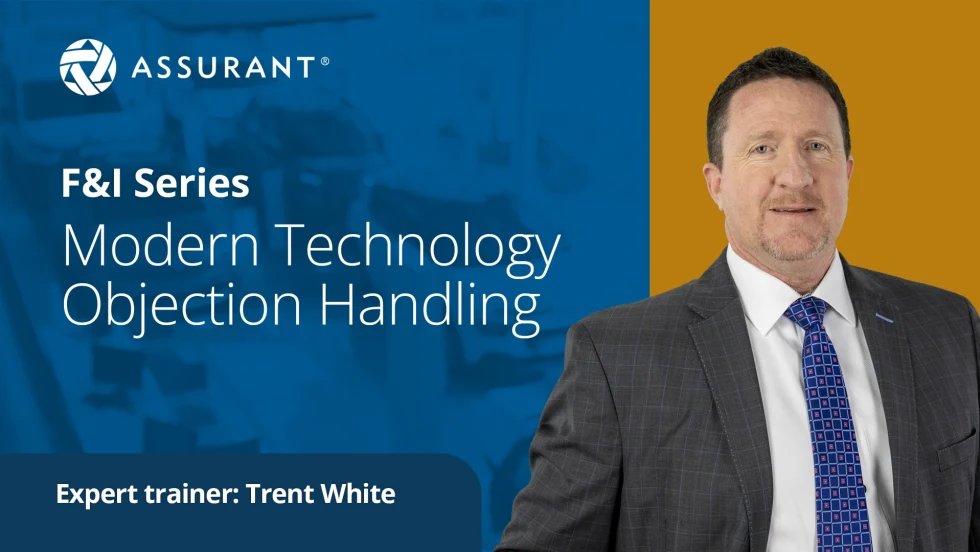
Modern Technology Objection Handling
In this video, Trent White shares how to confidently handle technology-based objections by helping customers understand the value of protection, even with modern vehicle technology.
Read More →
Consistency at Scale: Driving F&I Performance
With 75 rooftops across the Sunshine State, Morgan Auto Group has proven to Floridians that it knows a thing or two about driving performance in a competitive market. But it didn’t start at the top.
Read More →
Gitty Up on GAP
The foundational finance-and-insurance product hasn’t kept up with the latest conditions for auto dealers. Is the time ripe?
Read More →
How AI-Powered Coaching Is Transforming F&I Performance
See how AI-powered coaching can turn F&I customer conversations into actionable insights that support compliance, performance and profitability
Read More →
Sell Value, Build Trust
In this video, Trent White explains why selling on value, not fear, builds lasting customer trust, reduces cancellations, and drives long-term success.
Read More →
F&I Sales Give Dealers First-Half Lift
Product business shored up total profits to avoid an overall revenue tanking as product penetrations held steady, StoneEagle reported.
Read More →
Targeted Training Drives Results
Today’s technology, instead of threatening F&I managers, can actually make them better, according to an industry veteran who’s watched market setbacks roil the unprepared.
Read More →
Double the Change, Double the Chance
When an F&I manager gets a customer refusal, it’s a wise move to tweak more than one thing in the product offering.
Read More →
Just Do It
F&I managers need training, but instead of resisting application or expecting perfection, they should improve by simply acting on what they learn.
Read More →