



Consideration of Chinese Brands Differs With Age
Poll finds youngest consumers would consider the cars if they were sold in the U.S.


Some survey respondents said assembly of Chinese auto brands in the U.S., if that ever happened, would increase their chances of buying them.
Pixabay/wal_172619
Few Chinese cars are sold in the U.S., and many consumers here say they wouldn’t buy one anyway, but interest rises among younger generations.
A survey by California-based automotive industry data provider and product consultant AutoPacific found that 76% of consumers younger than 40 would consider a Chinese brand, despite privacy concerns. That’s compared to just 26% of respondents 60 and older.
The poll drew almost 800 participants ages 18 to 80.
Cars made in China are subject to high U.S. tariffs, and some members of Congress are calling for an outright ban on their import. Chinese brands are not sold here at all.
If they ever are, younger consumers appear to be open to buying them, according to the survey. They still indicated they’d be concerned about their privacy if they did so. Of those younger than 40, 73% said privacy concerns would be on their minds when considering buying Chinese.
“Privacy concerns about Chinese-brand vehicles are likely to eventually subside given that most of the connected smartphones, smart watches, laptops, connected home devices we are comfortable using every day are in fact manufactured in China,” said AutoPacific President and Chief Analyst Ed Kim in a report on the survey findings.
Some respondents said that assembly of Chinese auto brands in the U.S., if that ever happened, would increase their chances of buying them, including 39% of the youngest respondents.
Originally posted on Auto Dealer Today
More Industry
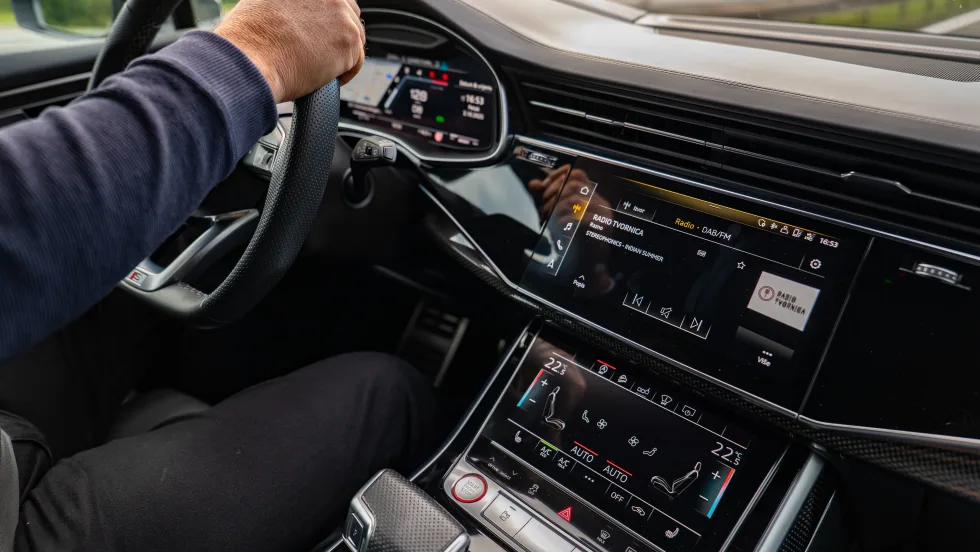
Connection Drives Consideration
Convenience and safety are top priorities for American drivers when it comes to connected vehicles and the services they expect with their next car.
Read More →
New-Vehicle Prices Stay Put
Affordability pressures and model availability shaped new-vehicle sales in September, according to an analysis by Kelley Blue Book.
Read More →
EV Buyer Consideration Shifts
What drives American consumers to purchase an electric vehicle is shifting as the question moves away from Should I?' to 'Which features and experience do I want to have?'
Read More →
Auto Nameplate Loyalty Holds in Tough Times
Consumers have been faithful to brands despite financial pressures, and JD Power says that’s because automakers have made some wise moves.
Read More →
Top New Jersey RV Store Sells
Myer’s RV Superstore is expanding its footprint in the state with two new locations that it acquired from Ed Hutchinson Jr.
Read More →
Alliance Analyzes Technician Pipeline
A new industry report examines the state of skilled trades in the U.S. and details the drivers of demand for automotive repair and how technicians enter and grow in the workforce.
Read More →
Luxury Rooftop Changes Hands
Genesis of Glenview is getting a new owner and a new location, but its name will stay the same.
Read More →
Future-Proof Your Business
A new industry outlook details several ways that automotive companies can use the rise in artificial intelligence and advanced technologies to their advantage.
Read More →
Dealership Buy-Sells Keep Going Up
First-half transactions reflect continued high appetite for acquisitions despite falling profits, the most sought-after franchises bringing record prices.
Read More →
California Makes Electric Moves
New laws in the Golden State aim to advance consumer access to public electric-vehicle chargers and reduce costs and barriers to its infrastructure.
Read More →