



Is It Time to Rethink Business Development Centers?
Their role at automotive dealerships is essential today to give salespeople time to close deals.

Pexels/Karolina Grabowska
In automotive sales, dealerships are increasingly turning to business development centers to handle both the complexities of modern communication and improved customer management. The digital revolution has significantly impacted our automotive industry. With the continuous rise of online platforms—ranging from email, text, chat bots, and messaging applications to dealership-specific apps—traditional sales roles are being redefined. Immediate responses have become the gold standard. We will explore innovative approaches in staffing BDCs, revamping outdated call scripts, and prioritizing customer feedback to enhance dealership operations.
BDCs’ Role
Historically, dealership salespeople managed both sales and customer communications—a manageable task before our current digital communication era came to fruition. BDCs have traditionally been used as a proving ground where the most promising candidates were identified and transitioned to floor sales roles. It’s time to re-evaluate and modernize this approach.
Today, BDCs have become essential, focusing on managing inbound calls, pursuing leads, and scheduling appointments for sales team members. This specialization allows sales teams to concentrate on closing deals, improving both efficiency and customer service. As multifaceted hubs, BDCs handle communications across various channels, including phone calls, emails, texts, apps and online chats, which positions them as pivotal in modern dealership structures. BDCs have emerged as essential pillars of a thriving dealership and deserve the same level of attention and development as the sales team.
Rethinking Our Approach
Traditionally, many dealers have started sales candidates in the BDC and then “graduated” them to the sales floor. This progression assumes that the BDC role serves as a training ground for new team members. However, we need to reconsider this approach, given that the BDC confronts our team with some of the greatest sales challenges in our business.
The reality is that the BDC requires exceptional skills in communication, persistence and problem-solving. These are the same skills that define our strongest closers on the sales floor. By staffing the BDC with our most adept salespeople, we can significantly enhance its effectiveness and overall performance.
In some instances, we have experimented with a hybrid approach, where salespeople cycle through the BDC as part of their weekly duties. This model has shown promise, as it allows for a diverse application of skills and ensures that our BDC team is always operating at peak capacity.
By re-evaluating our staffing strategy and considering the BDC as a critical component of our sales ecosystem, we can leverage the full potential of our talented team members. This shift not only empowers our BDC but also strengthens our entire sales operation.
Implementation Options: In-House vs. Outsourced
Today's dealers have various strategies and choices for managing BDCs efficiently and effectively. Finding the right approach may involve some trial and error to align with the culture and workflow of the dealership. Numerous software platforms are available for in-house operations and should be evaluated accordingly. However, the key components are consistent and include assembling a team of qualified individuals, offering continuous training to enhance their performance and growth, and ensuring they have the necessary tools to maximize return on investment and proficiently execute their tasks.
It is essential to maintain a clear and organized process for recruiting BDC team members, enabling the identification of suitable candidates. Provide comprehensive and regular training, along with the necessary equipment and software, to empower them to effectively meet all operational requirements. Your BDC members are a vital component of your dealership, and their contributions should be duly acknowledged.
Optimizing the appointment-setting process is crucial to ensure that the BDC communicates effectively with the sales team, which will facilitate a smooth and positive customer experience from the outset of the buying journey.
In-House BDCs:
Setup and Maintenance: Establishing an in-house BDC requires significant investment in training and infrastructure. Again, it’s crucial to equip the team with the necessary tools and support to operate effectively across various communication platforms. There are software companies that have products ready to support this type of initiative.
Team Dynamics and Training: Aligning the BDC with dealership operations involves hiring the right people, putting a management team in place, and providing continuous training and development. Updating stale scripts and providing multiple ways to pivot in a conversation are essential. It’s also imperative to provide seamless interactions between sales and BDC staff to mitigate potential conflicts and enhance cooperation.
Continuous Improvement: The BDC management team must regularly review and refine strategies and processes to adapt to changing consumer behaviors and technological advancements.
Outsourced BDCs:
Benefits and Considerations: Outsourcing can be cost-effective and leverages external expertise. When choosing a partner, consider factors such as their track record in lead generation, customer interaction quality, and their alignment with your dealership’s goals. Careful review of their business practices and checking references/testimonials is necessary.
Management and Oversight: Ensure that the outsourced team is proficient in managing diverse communication tools and that they can dynamically contribute to achieving your business objectives. Talk to them about their ongoing training programs. Get a solid understanding of their reporting process and what you can anticipate regarding analytics.
Strategic Advantages of Optimizing BDCs
A well-functioning BDC can also be instrumental in reclaiming lost customers and enhancing customer retention by facilitating routine maintenance and recall communications. By focusing on customer-centric strategies, BDCs play a significant role in driving dealership growth and adapting to market demands.
Analyzing Performance and Outcomes
Implement tools to track and analyze the effectiveness of different communication channels. Understanding which streams generate the most leads and evaluating conversion rates are critical for refining strategies and achieving better outcomes. This holds true for both in-house and outsourced solutions.
As automotive dealerships navigate a digital-centric market and customer base, rethinking how BDCs are structured and operated is essential. Whether in-house or outsourced, a robust BDC strategy empowers dealerships to be more customer-focused, thereby driving sales and fostering long-term success. Embracing innovation and continuous improvement in BDC operations will not only enhance customer satisfaction but also ensure the dealership's competitive edge in a crowded market.
Paz is a partner at Vanguard Dealer Services.
Originally posted on Auto Dealer Today
More Industry
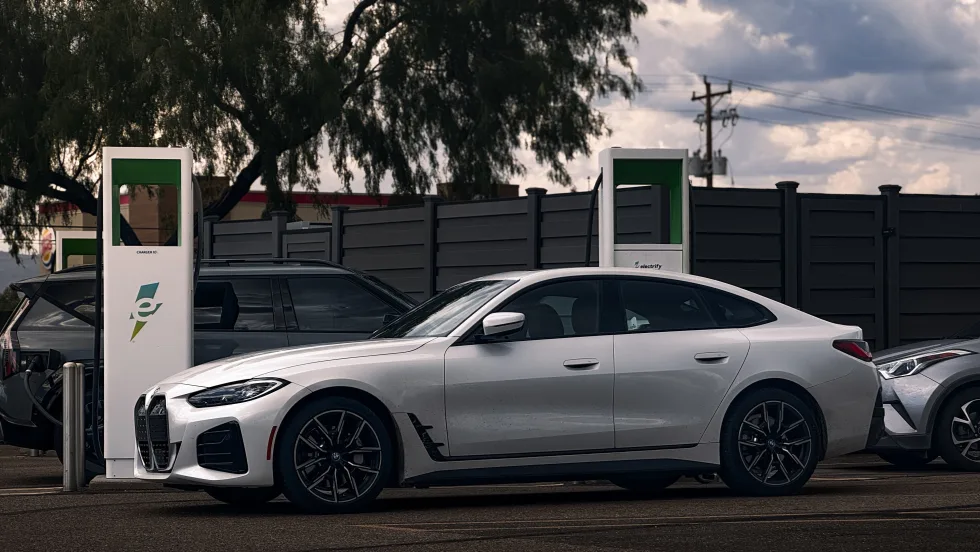
EV Buyer Consideration Shifts
What drives American consumers to purchase an electric vehicle is shifting as the question moves away from Should I?' to 'Which features and experience do I want to have?'
Read More →
Auto Nameplate Loyalty Holds in Tough Times
Consumers have been faithful to brands despite financial pressures, and JD Power says that’s because automakers have made some wise moves.
Read More →
Top New Jersey RV Store Sells
Myer’s RV Superstore is expanding its footprint in the state with two new locations that it acquired from Ed Hutchinson Jr.
Read More →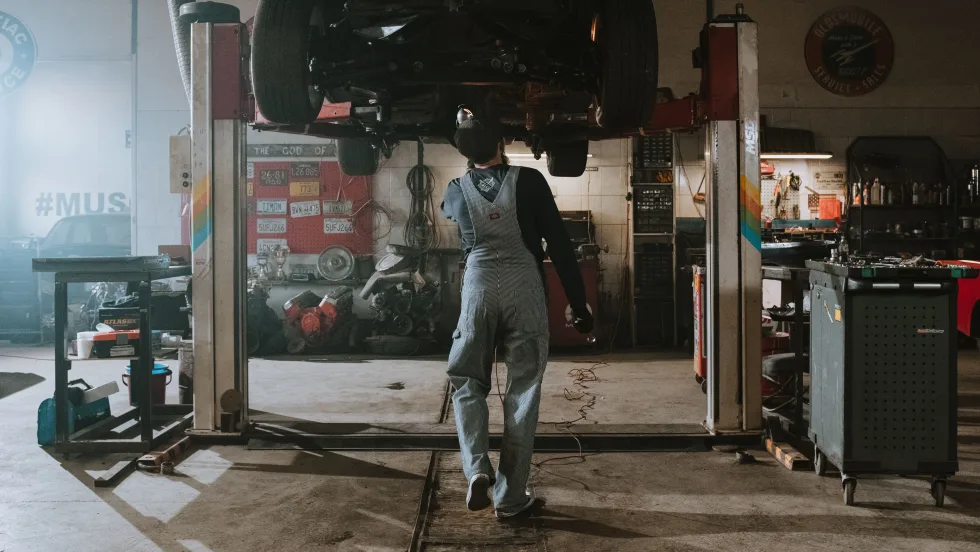
Alliance Analyzes Technician Pipeline
A new industry report examines the state of skilled trades in the U.S. and details the drivers of demand for automotive repair and how technicians enter and grow in the workforce.
Read More →
Luxury Rooftop Changes Hands
Genesis of Glenview is getting a new owner and a new location, but its name will stay the same.
Read More →
Future-Proof Your Business
A new industry outlook details several ways that automotive companies can use the rise in artificial intelligence and advanced technologies to their advantage.
Read More →
Dealership Buy-Sells Keep Going Up
First-half transactions reflect continued high appetite for acquisitions despite falling profits, the most sought-after franchises bringing record prices.
Read More →
California Makes Electric Moves
New laws in the Golden State aim to advance consumer access to public electric-vehicle chargers and reduce costs and barriers to its infrastructure.
Read More →
Rare Earths Independence
Automakers seek alternatives to sourcing battery raw materials in volatile markets roiled by trade wars and disrupted supply chains.
Read More →
Volvo Appoints President and CEO
Klaus Zellmer will replace Håkan Samuelsson as president and CEO of Volvo Cars in 2027 as the company makes strategic shifts toward profitability and cash generation.
Read More →