



Early Intervention Saves Retention
Sales and service departments have the highest annual dealership turnover rates, according to a new industry report, costing money and time that could be better spent elsewhere.


According to the report, generation Z is the largest workforce segment at 31%.
Canva/studioroman
Employee retention efforts matter the most in the first 90 days of employment, according to a report by human resources and compliance company HR4.
The auto dealership workforce study found that nearly 28% of employee exits occur within the first three months of employment, making early intervention vital. Sales departments in particular have the highest rate of annualized turnover at 126%, but parts and service departments follow closely behind at 88%.
According to the report, high turnover rates cost dealerships money. Depending on the complexity of the role, estimated turnover costs can be 50% to 200% of an employee's average annual salary. Just a 10% to 15% reduction in turnover can save a dealership between $400,000 to $600,00 annually.
To help retain employees, HR4 recommends structured check-ins at 30, 60 and 90 days to catch disengagement early. And with 66% of turnover voluntary it said that tracking exit reasons can help a dealership understand why it happens and help prevent future departures.
The report also covered hiring and onboarding challenges dealerships face, finding that dealerships that hire faster don’t necessarily have better retention rates. They also have a higher chance of turnover when they have low onboarding completion rates.
Warning signs to watch for with onboarding include tasks being incomplete after one week, no manager check-ins by 30 days, failure to start training modules, and onboarding dragging past 30 days.
HR4 recommends contacting applicants within 24 hours and prioritizing the right candidates over rushing to fill a role. Tracking the hiring funnel to see where candidates drop off and tracking onboarding completion rates are also recommended.
More Industry
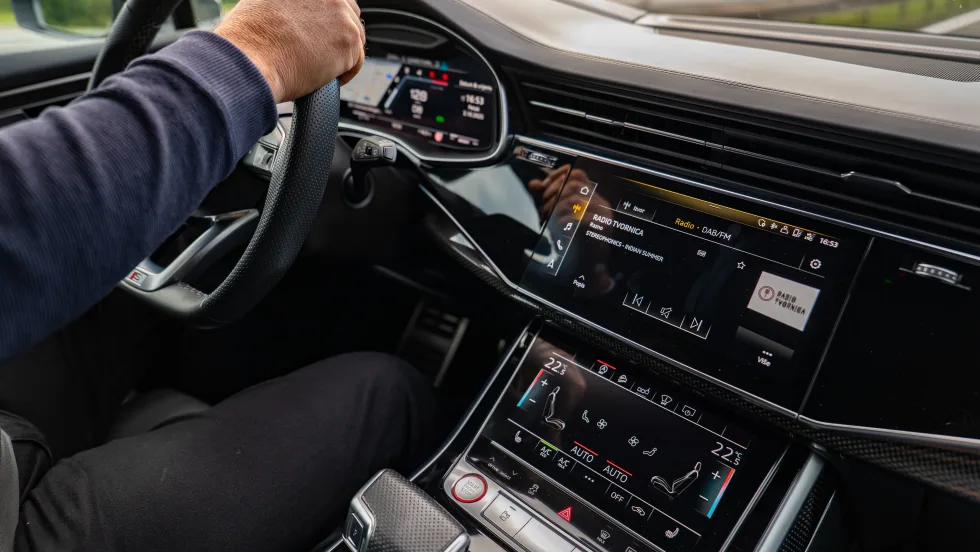
Connection Drives Consideration
Convenience and safety are top priorities for American drivers when it comes to connected vehicles and the services they expect with their next car.
Read More →
New-Vehicle Prices Stay Put
Affordability pressures and model availability shaped new-vehicle sales in September, according to an analysis by Kelley Blue Book.
Read More →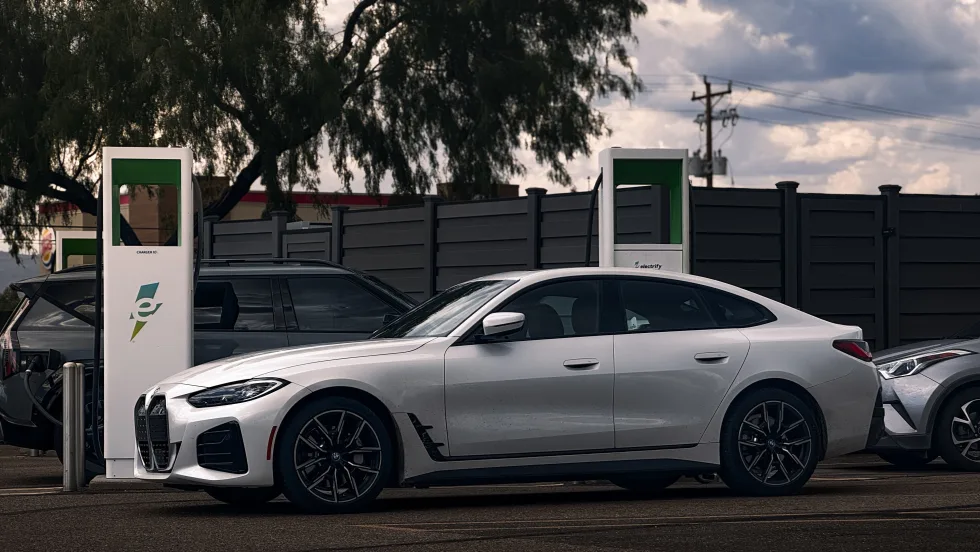
EV Buyer Consideration Shifts
What drives American consumers to purchase an electric vehicle is shifting as the question moves away from Should I?' to 'Which features and experience do I want to have?'
Read More →
Auto Nameplate Loyalty Holds in Tough Times
Consumers have been faithful to brands despite financial pressures, and JD Power says that’s because automakers have made some wise moves.
Read More →
Top New Jersey RV Store Sells
Myer’s RV Superstore is expanding its footprint in the state with two new locations that it acquired from Ed Hutchinson Jr.
Read More →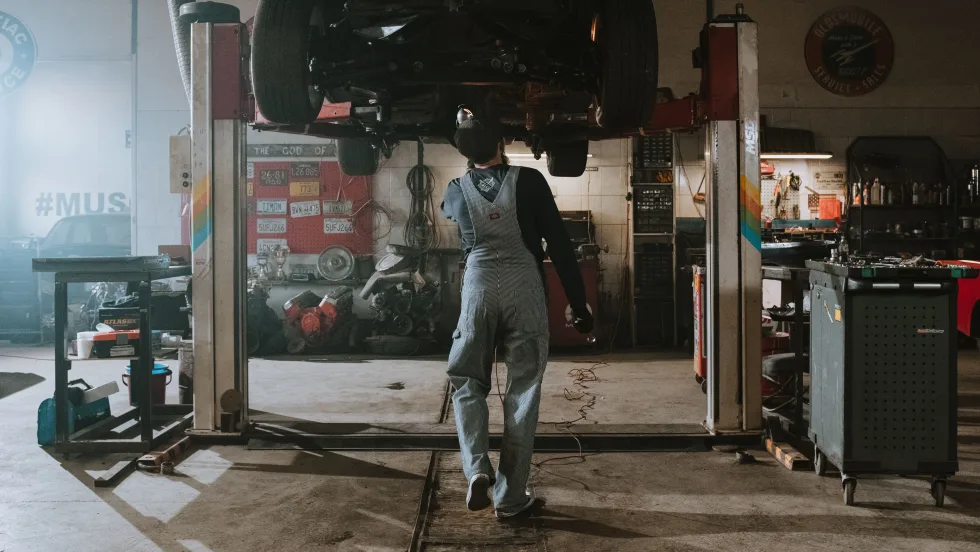
Alliance Analyzes Technician Pipeline
A new industry report examines the state of skilled trades in the U.S. and details the drivers of demand for automotive repair and how technicians enter and grow in the workforce.
Read More →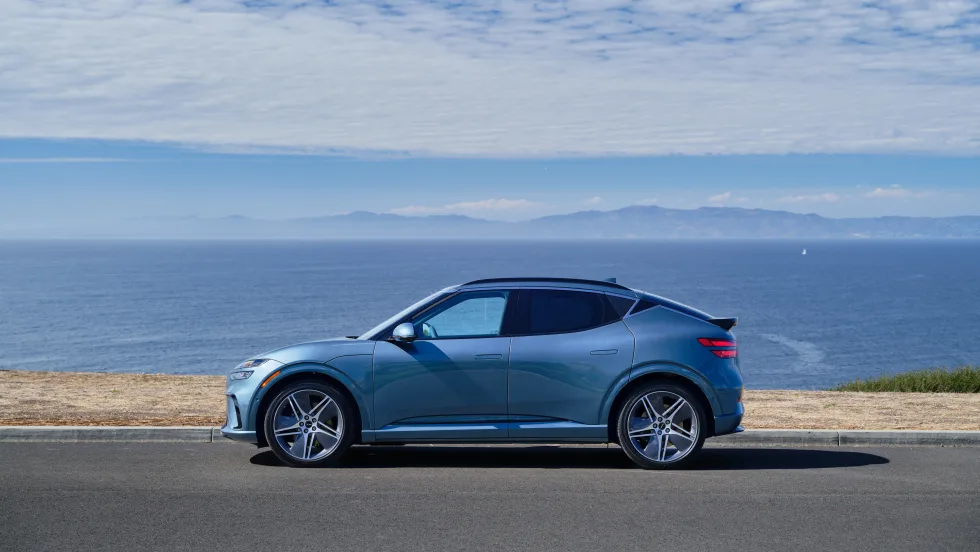
Luxury Rooftop Changes Hands
Genesis of Glenview is getting a new owner and a new location, but its name will stay the same.
Read More →
Future-Proof Your Business
A new industry outlook details several ways that automotive companies can use the rise in artificial intelligence and advanced technologies to their advantage.
Read More →
Dealership Buy-Sells Keep Going Up
First-half transactions reflect continued high appetite for acquisitions despite falling profits, the most sought-after franchises bringing record prices.
Read More →
California Makes Electric Moves
New laws in the Golden State aim to advance consumer access to public electric-vehicle chargers and reduce costs and barriers to its infrastructure.
Read More →