



Tariff Impact Forecast
J.D. Power tries to foresee how duties will affect vehicle prices, sales.

Automakers will need to absorb at least some of the tariff costs, including deciding whether to maintain lower-margin but highly tariffed models, J.D. Power predicts.
Pexels/Adrian Gambet
With the obvious caveat that the U.S. economy is challenging to predict right now, a new forecast at least tries to pin down what the auto industry could expect as the rest of the year unfolds.
The J.D. Power look ahead, while acknowledging the undeniable impact of current and impending U.S. trade tariffs on automakers, expects that brands won’t pass on the full cost to consumers since doing so would cut sales.
“In order to maintain reasonable volumes, a large portion of tariffs must be absorbed,” said J.D. Power President of Data and Analytics and Chief Product Officer Thomas King in the forecast.
With those qualifications, it forecasts new-vehicle price increases starting in the late spring and settling at an average of about 5% by the fourth quarter in what J.D. Power calls a “new normal.” That would translate to an average of $2,300 per vehicle, despite current tariff exposure for U.S. retail auto sales equating to an average of $4,782 per vehicle.
The price increases would in turn result in reduced sales for an 8% drop in annualized retail deliveries, or 1.1 million units, J.D. Power expects. Depending on how tariff policy plays out, though, it said the decrease could be as low as 5% or as high as 12%, not taking any larger economic factors into account.
Tariff effects would also be spotty due to automakers’ varying degrees of exposure based on the volume of vehicles and/or auto parts they import, the data provider pointed out. The tariffs could thereby bring different effects even within an individual brand’s lineup.
Automakers will need to absorb at least some of the tariff costs, including deciding whether to maintain lower-margin but highly tariffed models. They could move supply to markets less exposed to tariffs and increase domestic production, along with retooling parts sourcing, J.D. Power said.
More Industry
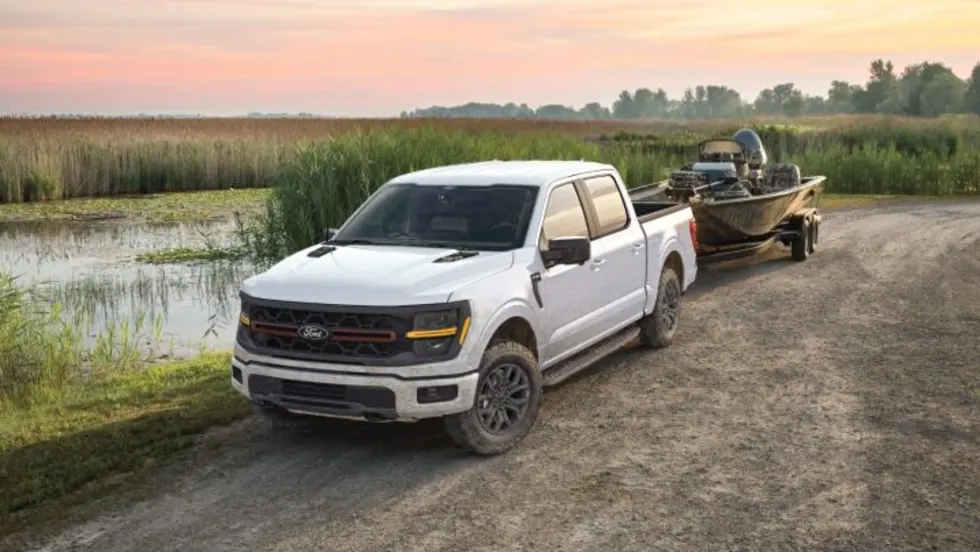
Auto Nameplate Loyalty Holds in Tough Times
Consumers have been faithful to brands despite financial pressures, and JD Power says that’s because automakers have made some wise moves.
Read More →
Top New Jersey RV Store Sells
Myer’s RV Superstore is expanding its footprint in the state with two new locations that it acquired from Ed Hutchinson Jr.
Read More →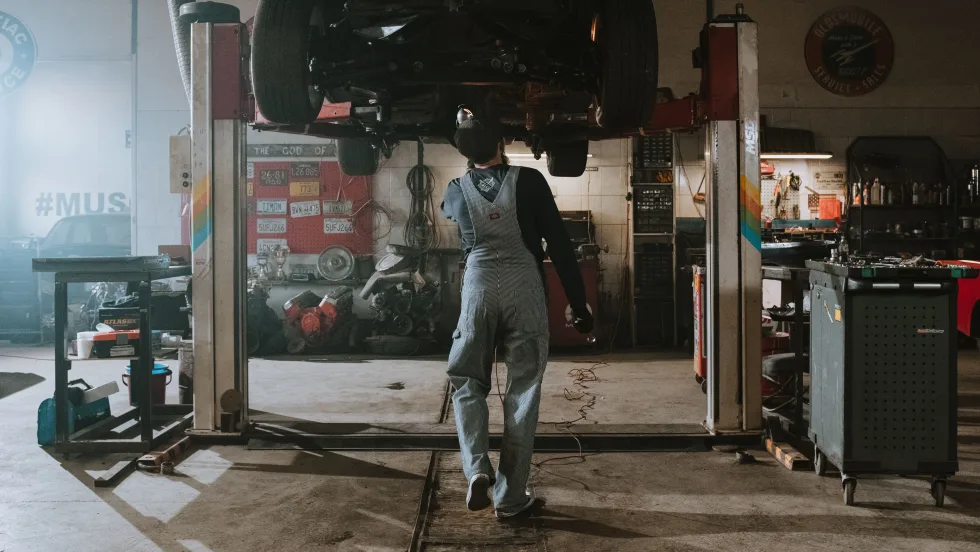
Alliance Analyzes Technician Pipeline
A new industry report examines the state of skilled trades in the U.S. and details the drivers of demand for automotive repair and how technicians enter and grow in the workforce.
Read More →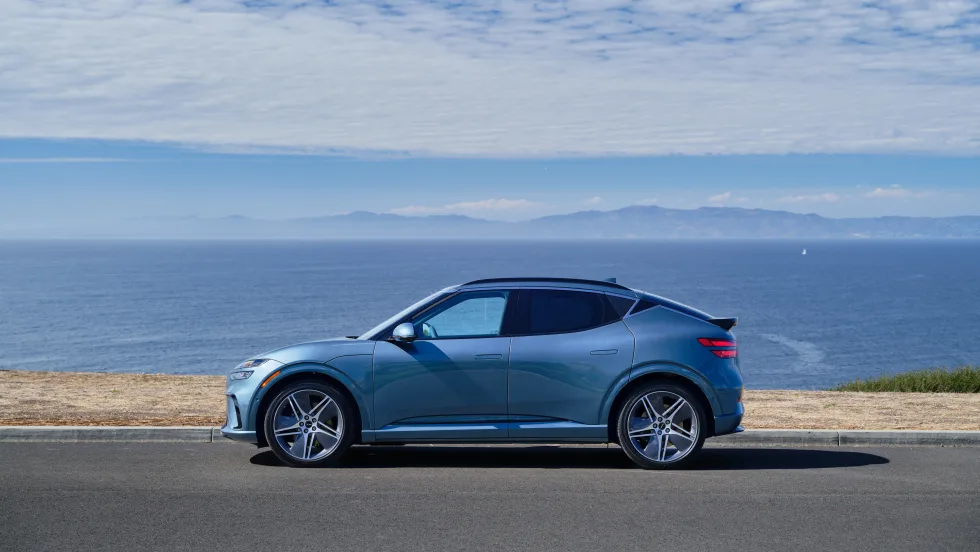
Luxury Rooftop Changes Hands
Genesis of Glenview is getting a new owner and a new location, but its name will stay the same.
Read More →
Future-Proof Your Business
A new industry outlook details several ways that automotive companies can use the rise in artificial intelligence and advanced technologies to their advantage.
Read More →
Dealership Buy-Sells Keep Going Up
First-half transactions reflect continued high appetite for acquisitions despite falling profits, the most sought-after franchises bringing record prices.
Read More →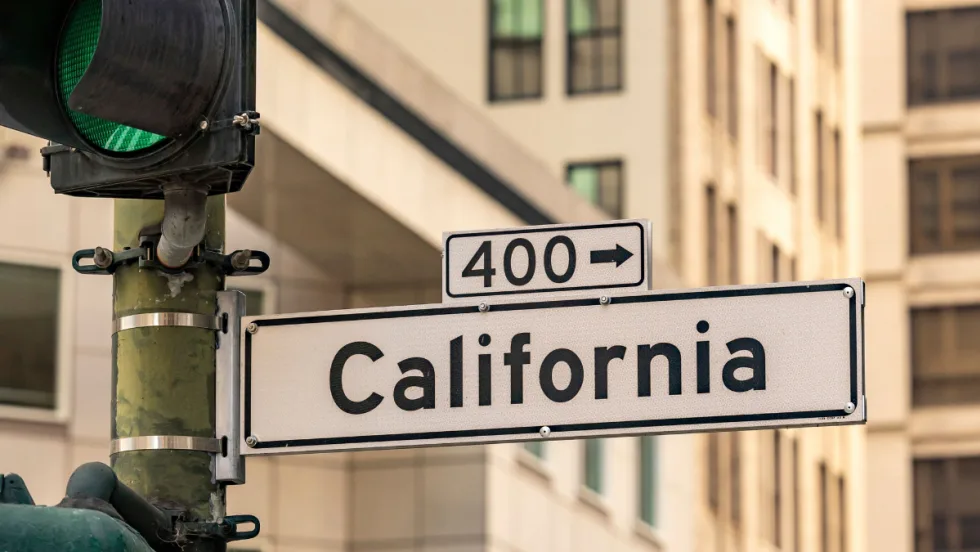
California Makes Electric Moves
New laws in the Golden State aim to advance consumer access to public electric-vehicle chargers and reduce costs and barriers to its infrastructure.
Read More →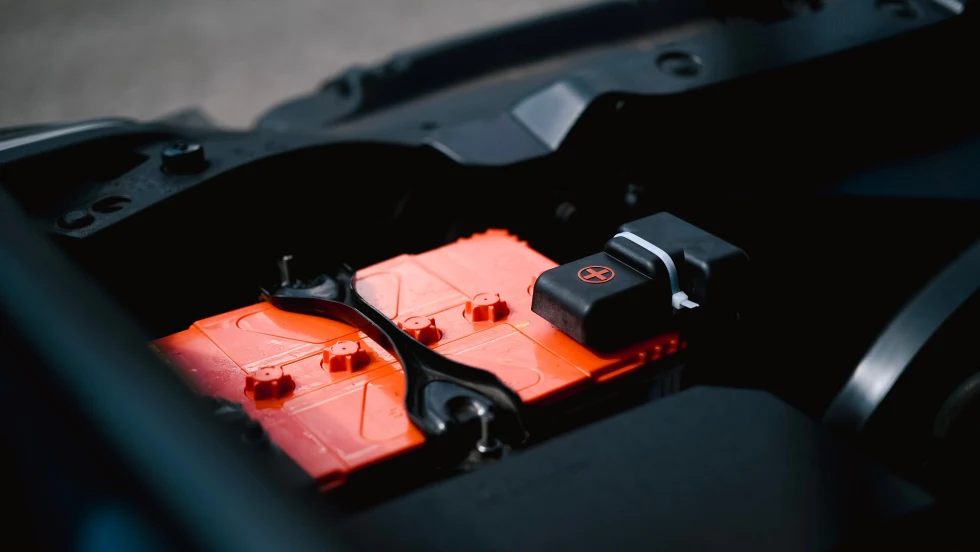
Rare Earths Independence
Automakers seek alternatives to sourcing battery raw materials in volatile markets roiled by trade wars and disrupted supply chains.
Read More →
Volvo Appoints President and CEO
Klaus Zellmer will replace Håkan Samuelsson as president and CEO of Volvo Cars in 2027 as the company makes strategic shifts toward profitability and cash generation.
Read More →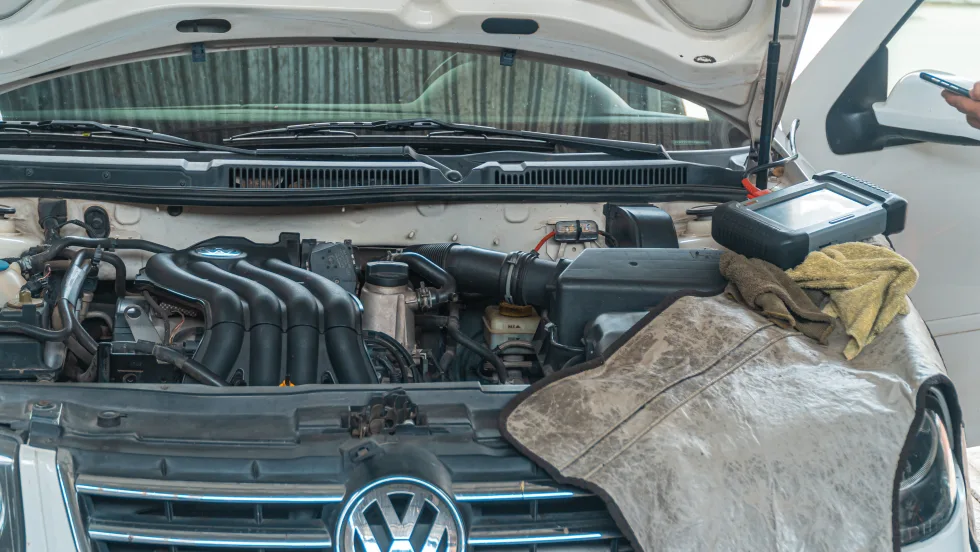
Fix Up Your Fixed Ops
The department may hold untapped potential for your dealership. There are ways to unearth it and turn it around for more profits.
Read More →