



Auto Trade Group Supports Emissions Delay
The Alliance for Automotive Innovation announced its support of a delayed timeline for federal emission standards for light- and medium-duty vehicles.

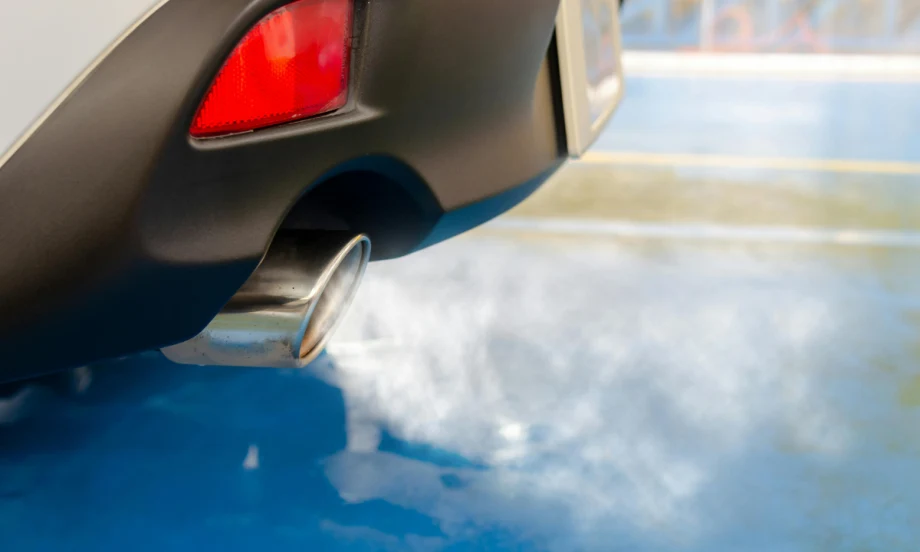
The U.S. Environmental Protection Agency estimates that the proposal could save over $1.7 billion, translating to hundreds of dollars saved per vehicle for American families.
Pexels/Khunkorn Laowisit
The U.S. Environmental Protection Agency proposed a delay in phase-in for emission standards set in 2024, and the Alliance for Automotive Innovation announced its support for the new timeline.
If enacted, the EPA’s proposal would delay Tier 4 criteria emission standards for light-and medium-duty vehicles for two years, taking effect with model year 2029 instead of model year 2027. The end goal of full implementation by model year 2032 would remain in place.
Alliance for Automotive Innovation President and CEO John Bozzella called the delay "a smart and necessary step ... that makes a lot of sense given current market conditions.” The trade group represents automakers that do business in the U.S.
Tier 4 was set in April 2024 during the Biden administration as the Multi-Pollutant Emissions Standards for MYs 2027 and Later Light-Duty and Medium-Duty Vehicles rule.
According to the EPA, the proposed amendment is “in response to the overwhelming rejection of [electric vehicles] by the American people and manufacturers shifting away from them.”
Many automakers have rolled back their EV investments, including General Motors, Ford and Stellantis, as consumer demand in the states dropped after the loss of federal EV incentives last year. However, recent data showed electrified-vehicle sales are holding steady and even increasing in the case of hybrids as gas prices surge due to the ongoing war in the Middle East.
More Industry
Connection Drives Consideration
Convenience and safety are top priorities for American drivers when it comes to connected vehicles and the services they expect with their next car.
Read More →
New-Vehicle Prices Stay Put
Affordability pressures and model availability shaped new-vehicle sales in September, according to an analysis by Kelley Blue Book.
Read More →
EV Buyer Consideration Shifts
What drives American consumers to purchase an electric vehicle is shifting as the question moves away from Should I?' to 'Which features and experience do I want to have?'
Read More →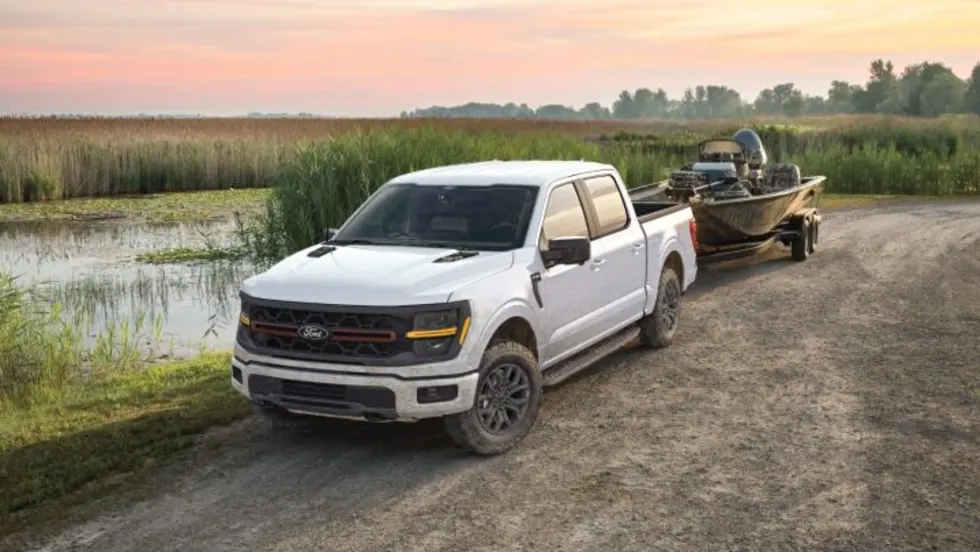
Auto Nameplate Loyalty Holds in Tough Times
Consumers have been faithful to brands despite financial pressures, and JD Power says that’s because automakers have made some wise moves.
Read More →
Top New Jersey RV Store Sells
Myer’s RV Superstore is expanding its footprint in the state with two new locations that it acquired from Ed Hutchinson Jr.
Read More →
Alliance Analyzes Technician Pipeline
A new industry report examines the state of skilled trades in the U.S. and details the drivers of demand for automotive repair and how technicians enter and grow in the workforce.
Read More →
Luxury Rooftop Changes Hands
Genesis of Glenview is getting a new owner and a new location, but its name will stay the same.
Read More →
Future-Proof Your Business
A new industry outlook details several ways that automotive companies can use the rise in artificial intelligence and advanced technologies to their advantage.
Read More →
Dealership Buy-Sells Keep Going Up
First-half transactions reflect continued high appetite for acquisitions despite falling profits, the most sought-after franchises bringing record prices.
Read More →
California Makes Electric Moves
New laws in the Golden State aim to advance consumer access to public electric-vehicle chargers and reduce costs and barriers to its infrastructure.
Read More →