



Inventory of New Units Stable
Auto brands spent April clearing out most of their 2025 supply with incentives while holding firm on 2026 prices, striking a balance to meet demand and protect their bottom lines.


Some overseas brands saw heightened demand for sedans in April as many consumers sought to lower their costs.
Pexels/Rangga Aditya Armien
New-vehicle supply held steady in the U.S. in April as auto brands worked to reduce 2025 units with strategic incentives.
The steady effort reduced industrywide inventory 1% to about 2.9 million units, or 78 days’ worth, resulting in 2026 units comprising 93% of remaining supply, according to Cox Automotive data.
The balancing act protected prices on new units while leaving brands with ample new supply to meet demand, Cox said.
Days’ supply at the end of the month was still about 16% higher than a year earlier, when many consumers beat a path to dealers to get ahead of tariff-induced price hikes.
Inventory was down month-over-month despite sales also declining in April, Cox said, observing that automakers are supplying 2026 model-year units at a “more measured pace.”
“The result is a more controlled inventory environment, where overall supply and incentive levels remain mostly stable,” said Cox Executive Analyst Erin Keating.
Consumer affordability factored into some overseas’ brands supply pictures as demand ate into sedan segments’ inventories, Cox found.
“April’s inventory data points to a market that is neither tightening nor loosening materially but rather holding steady in the face of strengthening headwinds,” Keating said.
“As the industry moves through the second quarter, the ability to sustain that balance will determine whether stability holds or new pressures begin to emerge.”
DIG DEEPER: Survey Reveals What Won't Fix What's Breaking Car Sales
More Industry
Connection Drives Consideration
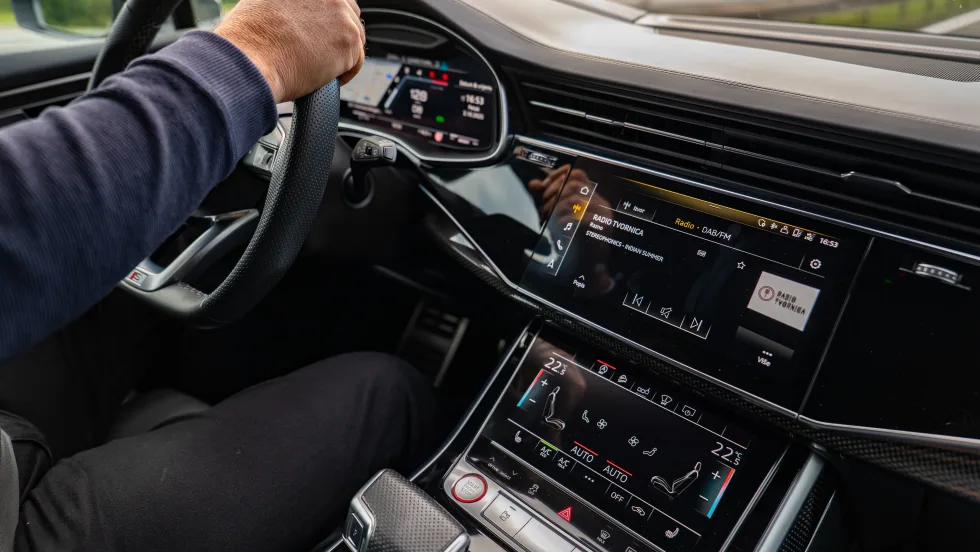
Convenience and safety are top priorities for American drivers when it comes to connected vehicles and the services they expect with their next car.
Read More →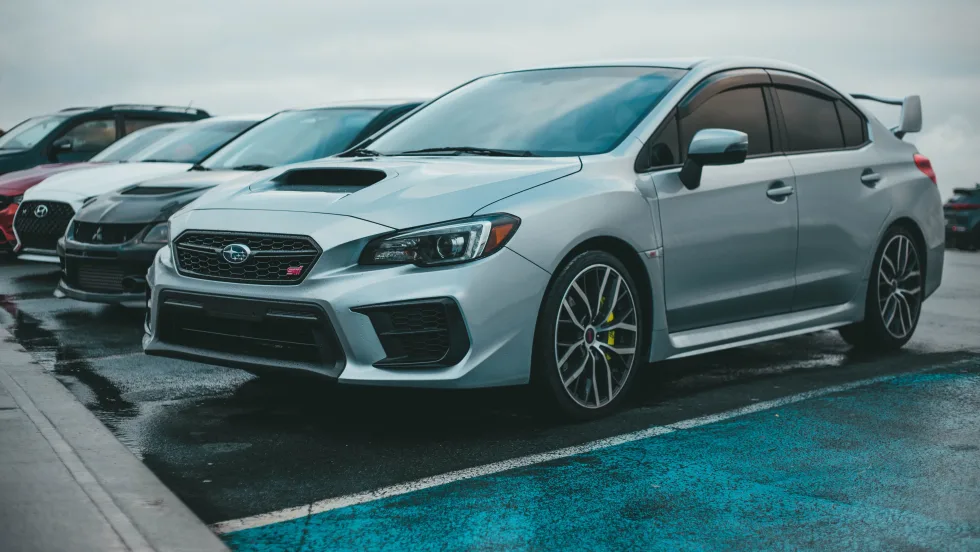
New-Vehicle Prices Stay Put
Affordability pressures and model availability shaped new-vehicle sales in September, according to an analysis by Kelley Blue Book.
Read More →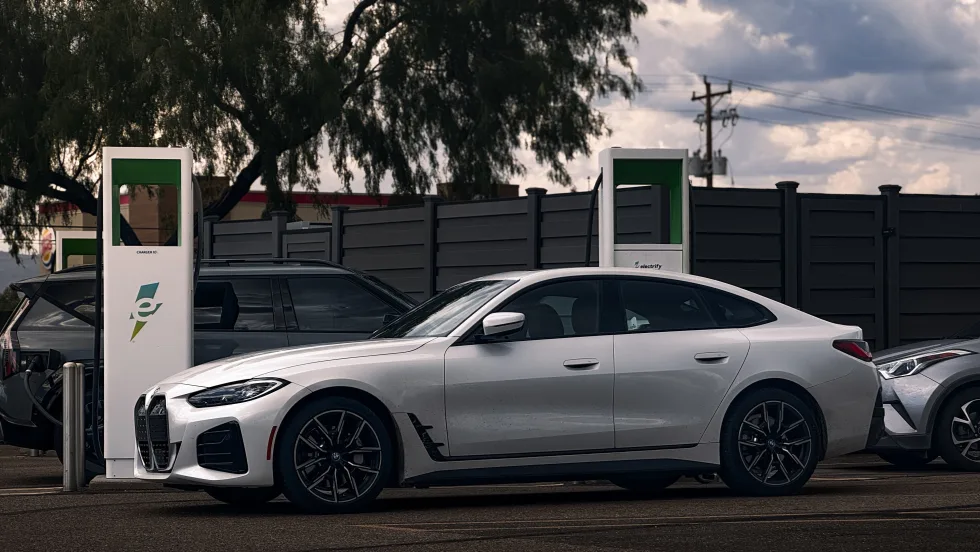
EV Buyer Consideration Shifts
What drives American consumers to purchase an electric vehicle is shifting as the question moves away from Should I?' to 'Which features and experience do I want to have?'
Read More →
Auto Nameplate Loyalty Holds in Tough Times
Consumers have been faithful to brands despite financial pressures, and JD Power says that’s because automakers have made some wise moves.
Read More →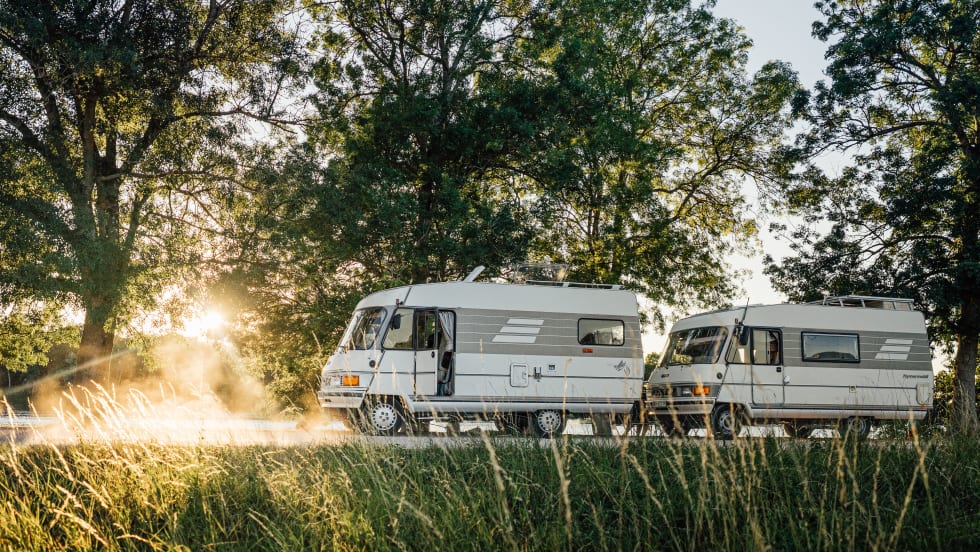
Top New Jersey RV Store Sells
Myer’s RV Superstore is expanding its footprint in the state with two new locations that it acquired from Ed Hutchinson Jr.
Read More →
Alliance Analyzes Technician Pipeline
A new industry report examines the state of skilled trades in the U.S. and details the drivers of demand for automotive repair and how technicians enter and grow in the workforce.
Read More →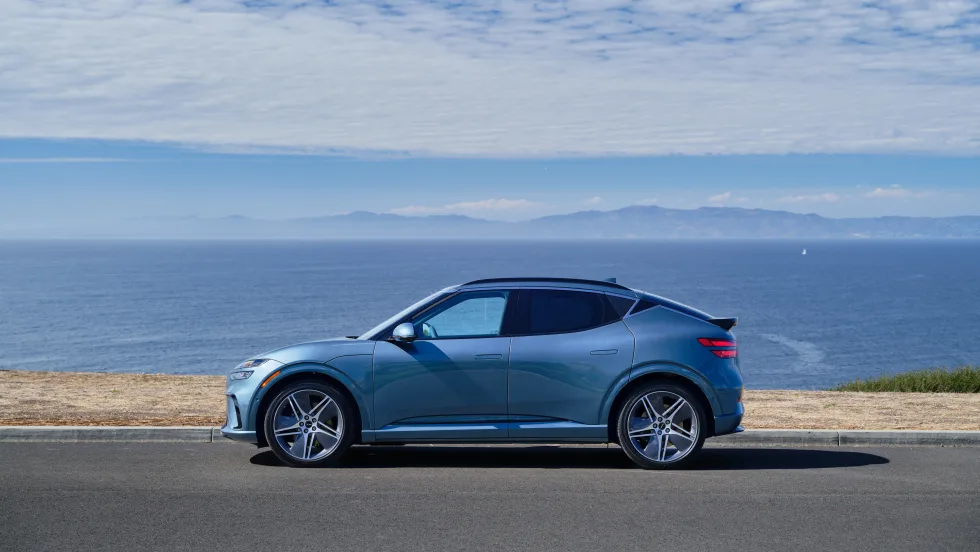
Luxury Rooftop Changes Hands
Genesis of Glenview is getting a new owner and a new location, but its name will stay the same.
Read More →
Future-Proof Your Business
A new industry outlook details several ways that automotive companies can use the rise in artificial intelligence and advanced technologies to their advantage.
Read More →
Dealership Buy-Sells Keep Going Up
First-half transactions reflect continued high appetite for acquisitions despite falling profits, the most sought-after franchises bringing record prices.
Read More →
California Makes Electric Moves
New laws in the Golden State aim to advance consumer access to public electric-vehicle chargers and reduce costs and barriers to its infrastructure.
Read More →