



Need for Speed: EV Apps Lack Consistency
Fifty-five percent of surveyed EV owners said their mobile applications had a major or moderate impact on their purchasing decisions, but connectivity issues remain a problem.

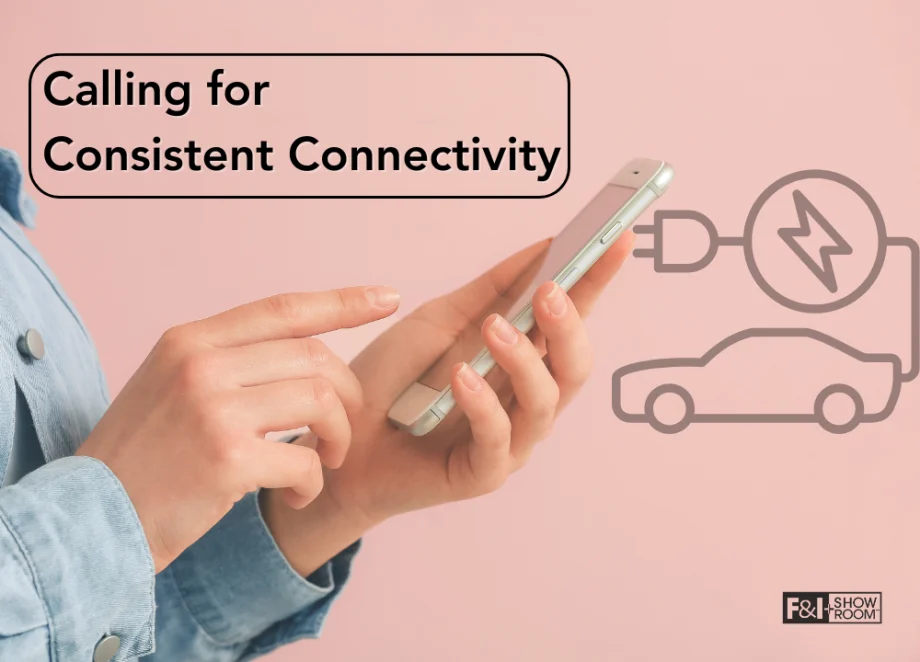
Dealership handoffs are the most consistent early touchpoint in the consumer's app journey.
Canva
Overall electric-vehicle application satisfaction has improved, according to JD Power, but it found EV owners are less willing to tolerate delays and performance inconsistencies.
In the JD Power 2026 U.S. OEM EV App Report, app performance was the defining factor of consumers' experience, speed and reliability gaps becoming more visible with increased use.
The data provider said connectivity improved for the second year in a row but that a third of users are still experiencing issues.
“With 51% of our respondents new to vehicle apps, OEMs have a clear opportunity to set the standard,” said Violet Allmandinger, senior principal of at JD Power OEM solutions. “However, inconsistent connectivity continues to hold the experience back.”
Speed had the greatest impact on overall app satisfaction, 73% of users expecting response times within five seconds or their satisfaction starts to decline.
Users ranked “useful features” as the top factor that would drive them to use their apps more often. Advanced features that rose in interest include plug-and-charge at public chargers, geofencing and valet alerts, and remote charge-port control. More than 90% of app users desire core features, like vehicle status, over-the-air updates and diagnostics.
Dealerships proved to be a strong driver of user engagement, 86% of active app users saying they received setup or guidance at vehicle pickup. JD Power said that makes dealership handoff the most consistent early touchpoint in the app journey and that dealership staff are a primary source of awareness.
While 55% of EV owners said their apps had a major or moderate impact on their purchasing decisions, 64% said they wouldn't pay a fee for app access.
Brandwise, the Tesla mobile app ranked the highest overall and among premium manufacturers. My BMW and Genesis Intelligent Assistant ranked second and third, respectively, in the premium category.
MyHundai with Bluelink ranked highest among mass-market manufacturers, Kia Access and Mini ranking second and third, respectively.
More Digital

Simple But Effective Hacking Surges
Data from the past year at U.S. auto dealerships finds that email and identity phishing are growing threat sources that can dispense with malware by exploiting trust.
Read More →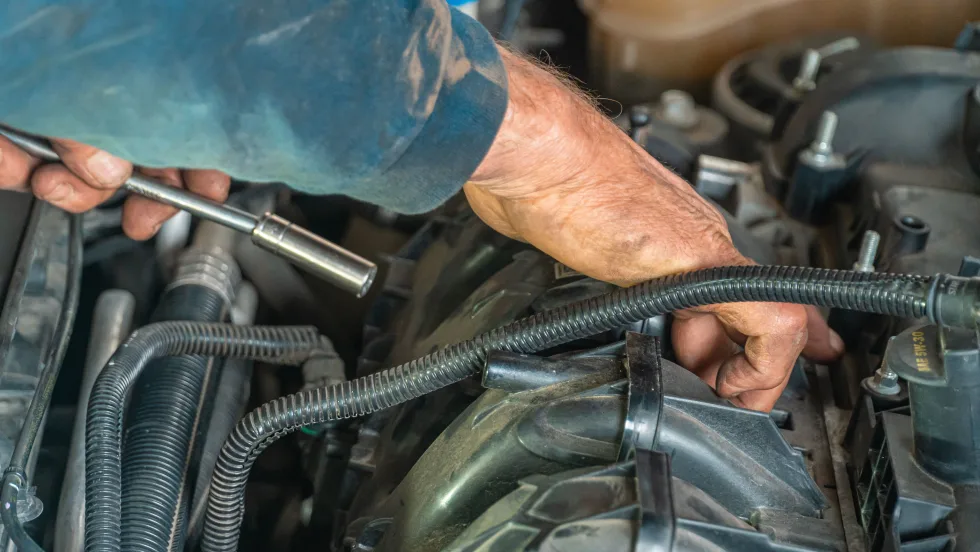
The Future of Car Dealerships
Artificial intelligence is reshaping the service-drive experience and will help retailers stay competitive.
Read More →
Structure Leads to Optimized Auto Listings
As the average car-buying journey has shifted to a blend of digital and retail, a dealership’s vehicle listings must be optimized to answer shoppers’ questions clearly and accurately.
Read More →
Real Intelligence
AI, though it presents many opportunities for productivity, efficiency and more, isn’t a one-for-one stand-in for people. It can augment human capital but not replace it altogether.
Read More →
Zurich Launches Advisor IQ for F&I Manager Coaching
The new platform uses real transaction data and artificial intelligence-driven insights to help car dealerships improve consistency and performance.
Read More →
F&I in the Digital Age
Digital retailing has not made the F&I manager obsolete. If anything, it has revealed how valuable the role can become when technology is used correctly.
Read More →
Four Keys to Your Digital Trail Defense
Federal regulators are cracking down on hidden fees. This protective measure could mean the difference between winning and losing a lawsuit or surviving a duel with the Dark Side.
Read More →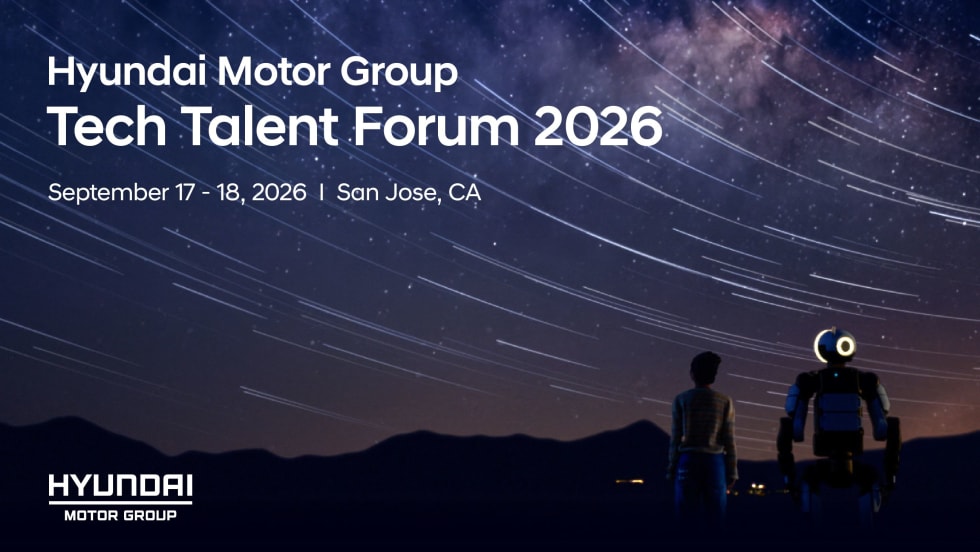
Hyundai Hosts Tech Talent Forum
Technology leaders from Hyundai Motor Group will have open discussions at the inaugural HMG Tech Talent Forum on topics ranging from autonomous driving to 'smart' manufacturing.
Read More →
Dealers Seek Actionable AI
Dealers are facing growing frustrations with current generic artificial intelligence tools, according to a survey by Lotlinx, which found they want a solution that understands their inventories.
Read More →
Reahard & Associates Forges New Integration
The firm's F&I Insight tie-up with The Impact Group’s ImpactMenu platform is designed to enhance finance-and-insurance transaction recording for auto dealerships.
Read More →