



Report: EVs Have Likely Peaked
Market share growth started to flatten out late last year, will surely fall after federal incentives end soon.
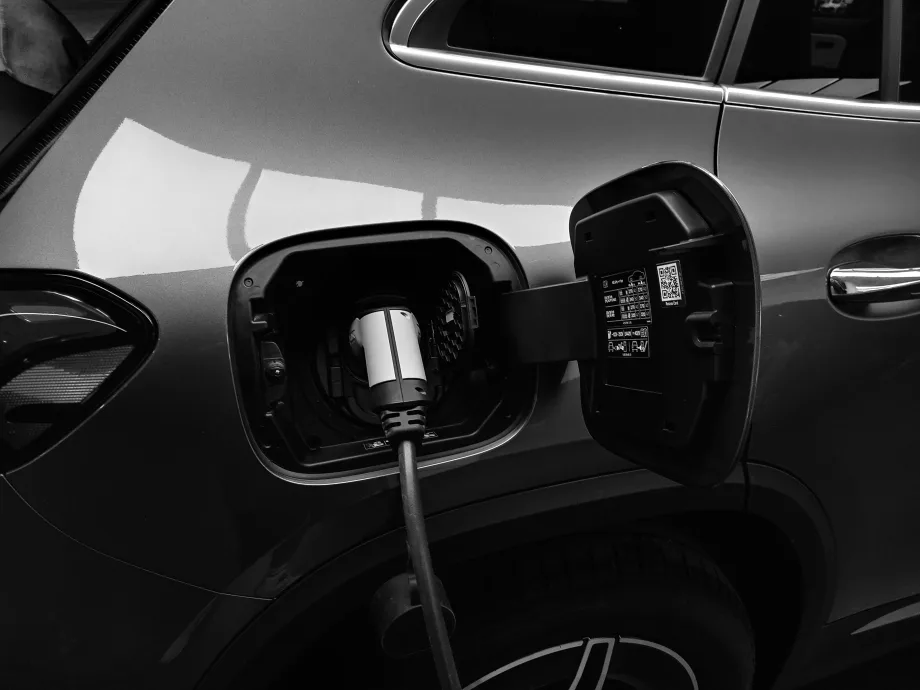
With demand failing to meet plentiful supply, used-EV values are declining.
Pexels/César Baciero
Though many auto industry watchers are bracing for tanking electric-vehicle demand when federal EV tax credits expire in October, consumer appetite actually started to plateau last year and will likely fall from there, according to a new report.
The turning point began even as buyers scooped up EVs during the holidays like hotcakes. Market share flattened at about 7% late last year, said online automotive search engine and research website iSeeCars.com, citing Cox Automotive figures.
It points out that with the up to $7,500 federal tax incentives about to expire, sales will only fall from there. Though EV demand has grown over time, the market analyst says prices for new EVs compared to gas-powered autos have limited that growth.
Falling sales have led to cratering EV values, it pointed out, characterizing the drop over the past year as dramatic when compared to gas models. Though overall used-vehicle prices have jumped, used EV values have gone in the other direction.
The upshot is that in the U.S., the EV market won’t grow further, as many market watchers and government officials had hoped and planned.
“Electric vehicles have a role to play in the new and used car market,” iSeeCars Executive Analyst Karl Brauer said in the report, “but that role won’t be at the level many government and private EV proponents have been touting for years. Everything from market share to pricing suggests EV demand has peaked and will likely decline in the coming years.”
The forecast is a dramatic departure from many automakers’ own production plans that not long ago set timelines for all-EV lineups next decade. Because of the manufacturer investments, EVs won’t disappear, Brauer said. They just won’t achieve the outsize market share many once expected.
With demand failing to meet plentiful supply, used-EV values are declining, said iSeeCars, which observed a drop of about 5% in June year-over-year while gas-powered model prices rose at about the same level. The company analyzed six years of data to arrive at its analysis. U.S. EV market leader Tesla is leading the depreciation.
“Used car shoppers focus, first and foremost, on value,” Brauer said. “For them, used EVs offer about $1,200 less in value than a gasoline vehicle, and while you can love or hate the market, you can’t argue with it.”
More Showroom

New Cars Less Affordable
Buying conditions eroded for American shoppers last month due to inflation and interest rates, though they fared better than a year ago.
Read More →
October Sales Divided
Inventory trends split between the new- and used-vehicle markets, though prices continued to rise for both in October.
Read More →
Auto Transaction Prices Hit New Height
October sales of big, pricey models push up the average, even as budget-conscious consumers snag more economical options.
Read More →
Making the Safe Choice
Kelley Blue Book has turned households with teen drivers onto safe and affordable options for their vehicles of choice
Read More →
Inventory Holds Steady
September new-vehicle inventory rose slightly month-over-month, but dealer lots are laden with MY2026 vehicles as the typical model year changeover trudges along.
Read More →
October Auto Sales Fall With the Leaves
A forecast anticipates retail deliveries are down this month as consumers continue to face cost challenges, though more are tapping long loans in order to buy.
Read More →
California Sees Quarterly Gains
California’s new-vehicle market saw a boost in hybrids in the third quarter and its first overall quarterly market gain of the year.
Read More →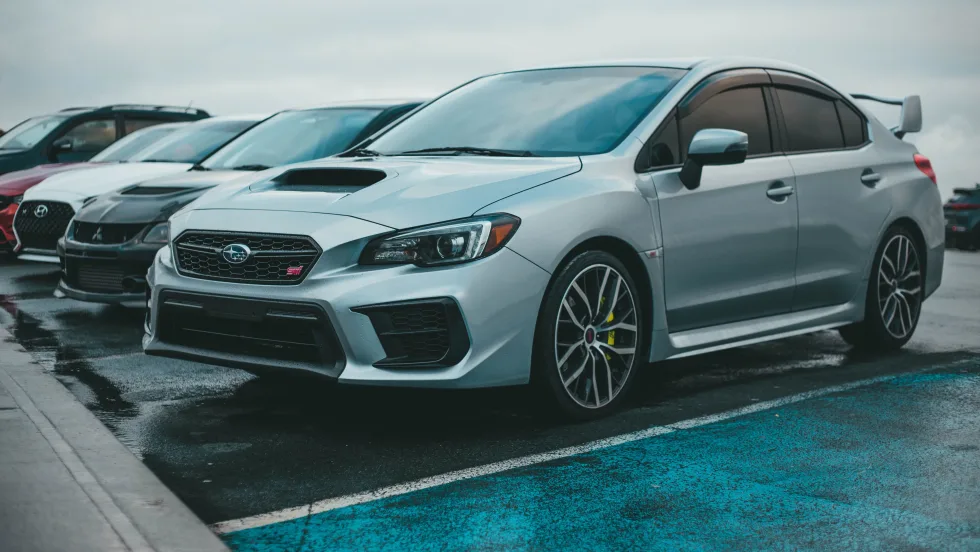
New-Vehicle Prices Stay Put
Affordability pressures and model availability shaped new-vehicle sales in September, according to an analysis by Kelley Blue Book.
Read More →
EV Buyer Consideration Shifts
What drives American consumers to purchase an electric vehicle is shifting as the question moves away from Should I?' to 'Which features and experience do I want to have?'
Read More →
Year-to-Date Auto Sales Holding Their Own
A forecast through August shows that automakers have shifted strategies to keep deliveries and revenues up despite tariffs and other economic challenges.
Read More →