



Another Look at Loyalty
J.D. Power study shows similar erosion to S&P’s research, finding model supply, segment shifts can test allegiance.

Toyota scored the highest mass-market car brand loyalty for the fourth straight year, according to J.D. Power's research, with a 62% rate.
Toyota
Automotive brand loyalty is taking some hits this year, another market watcher has observed.
J.D. Power’s research, based on vehicle sale data from September 2024 through last month, determined an average 49% loyalty rate among all brands and segments, down from 51% last year.
That’s the same percentage dip S&P Global Mobility recently calculated but a slightly lower end point than S&P’s 51% estimated loyalty rate.
Both industry analysts cited shifting inventories as a factor in lower loyalty, J.D. Power pointing out increased model supply. It also factored in more incentives and varied product ages for higher levels of brand-hopping.
Whatever individual consumers’ reasons for switching brands have been, those automakers with sterling reputations are doing the best job of keeping customers in their folds, even in a market buffeted by U.S. trade tariffs, J.D. Power found.
Not surprisingly then, the world’s top-selling auto brand, Toyota, held onto the biggest percentage of mass-market car consumers for the fourth straight year, according to the research, with a 62% loyalty rate.
“Brand loyalty matters to vehicle buyers because it’s often associated with higher residual values, making vehicles from trusted brands a more financially sound choice over time,” said J.D. Power Senior Vice President of Data and Analytics Tyson Jominy in its report.
Loyalty starts to erode when consumers move to different vehicle segments, Jominy said.
J.D. power based its findings on the percentage of auto owners sticking with the same brands when trading in or buying from franchised dealers.
Other loyalty rate winners by segment are:
Honda - 62% among mass-market SUV consumers for a second year
Lexus – 57% among luxury SUV consumers for second year
Ford – 67% among pickup consumers for fourth straight year – the highest rate in the study, followed by Toyota at 61%
Porsche – 58% among luxury car consumers for fourth straight year at 58%
DIG DEEPER: Solving Affordability and Negative Equity Challenges
More Showroom
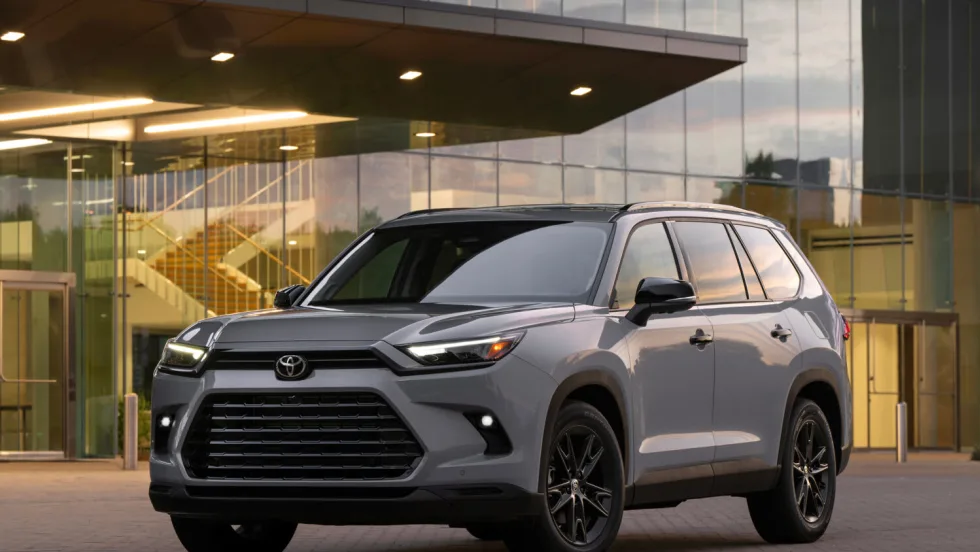
Auto Transaction Prices Hit New Height
October sales of big, pricey models push up the average, even as budget-conscious consumers snag more economical options.
Read More →
Making the Safe Choice
Kelley Blue Book has turned households with teen drivers onto safe and affordable options for their vehicles of choice
Read More →
Inventory Holds Steady
September new-vehicle inventory rose slightly month-over-month, but dealer lots are laden with MY2026 vehicles as the typical model year changeover trudges along.
Read More →
October Auto Sales Fall With the Leaves
A forecast anticipates retail deliveries are down this month as consumers continue to face cost challenges, though more are tapping long loans in order to buy.
Read More →
California Sees Quarterly Gains
California’s new-vehicle market saw a boost in hybrids in the third quarter and its first overall quarterly market gain of the year.
Read More →
New-Vehicle Prices Stay Put
Affordability pressures and model availability shaped new-vehicle sales in September, according to an analysis by Kelley Blue Book.
Read More →
EV Buyer Consideration Shifts
What drives American consumers to purchase an electric vehicle is shifting as the question moves away from Should I?' to 'Which features and experience do I want to have?'
Read More →
Year-to-Date Auto Sales Holding Their Own
A forecast through August shows that automakers have shifted strategies to keep deliveries and revenues up despite tariffs and other economic challenges.
Read More →
Slow to Robo
Ten years of polling consumers shows autonomous vehicles’ profiles have risen considerably, but even more people now want at least some level of control if they go that route.
Read More →
Dealers a Little Down
A third-quarter Cox Automotive survey finds them in a mixed mood, bummed by fallen customer traffic but encouraged by better profits, costs and EV interest.
Read More →