



'Big, Beautiful Bill' Good Planning Impetus
Spending measure points up why auto dealers must constantly re-evaluate wealth-building strategies.

The days of static financial planning are long gone. Instead, this task should be ongoing.
Pexels/Karolina Grabowska
The automotive industry is no stranger to change, from evolving consumer preferences to technological advancements. However, a less predictable yet equally impactful force is ever-shifting tax legislation. The recent "One Big Beautiful Bill Act," or OBBBA, signed into law on July 4, represents a significant overhaul of federal tax policy.
While designed to foster economic activity and provide various deductions, its complexities necessitate that auto dealers – indeed all businesses – adopt a proactive and continuous approach to evaluating and re-evaluating their wealth-building strategies. The days of static financial planning are long gone; agility and informed adaptation are paramount to not just surviving but thriving.
The 'Big, Beautiful Bill': Various Changes for the Auto Sector
The OBBBA introduces a mix of provisions that directly and indirectly affect auto dealers and their customers. On the one hand, a new, albeit temporary, above-the-line deduction for auto loan interest aims to make vehicles more affordable. For tax years 2025 through 2028, car buyers can deduct up to $10,000 annually in interest paid on loans for new vehicles with final assembly in the United States, subject to income limitations (phasing out for single filers with a modified adjusted gross income over $100,000 and joint filers over $200,000).
While this will incentivize new-vehicle sales, its impact on the broader market may be limited. As Cox Automotive Chief Economist Jonathan Smoke noted, a consumer would need a loan exceeding $110,000 to benefit from the maximum deduction, far above the average new-vehicle transaction price. Furthermore, the deduction's temporary nature means dealers and consumers must factor in its expiration when planning.
Conversely, the OBBBA also eliminates federal tax credits for electric vehicles after Sept. 30 of this year. This is a significant reversal from the Inflation Reduction Act, which offered up to $7,500 for new EVs and $4,000 for used. The termination of the often complex credits, previously intended to stimulate EV adoption and yielding mixed results, could shift consumer purchasing behavior and impact dealership inventory management.
Dealers who have heavily invested in EV infrastructure and stock may need to recalibrate their sales and marketing strategies to account for the absence of the federal incentives, potentially exploring other dealer-led incentives or state-level programs.
Beyond consumer-facing changes, the OBBBA also brings substantial alterations to business tax provisions. It permanently reinstates 100% bonus depreciation for qualifying property acquired and placed in service after Jan. 19, 2025. This allows businesses to immediately expense the full cost of many capital investments, including certain manufacturing buildings. For auto dealers investing in facility upgrades, equipment or even advanced diagnostic tools, the provision offers a considerable opportunity to reduce taxable income and improve cash flow.
Additionally, the bill makes permanent the immediate expensing of U.S.-based research-and-development expenditures, which could benefit larger dealership groups investing in new systems, software or data analytics infrastructure.
The Imperative of Re-Evaluation: Beyond the Headlines
The complexities of the OBBBA highlight a fundamental truth for auto dealers: Tax codes are not static. The sheer volume of changes, from temporary deductions to the elimination of long-standing credits, underscores the need for continuous vigilance. The bill's many iterations can lead to confusion, making it difficult to fully grasp its implications. This isn't just about understanding the letter of the law; it's about discerning its spirit and anticipating its potential pros and cons across the entire business model.
Business strategies, therefore, cannot be set in stone. They must be dynamic, adapting to legislative shifts, market trends, and even consumer sentiment. For auto dealers, this means:
Regularly consulting with experts: The nuances of tax law are best navigated with the guidance of tax attorneys, accountants and finance-and-insurance providers. These professionals can help dealers interpret the specific provisions of the OBBBA, identify potential opportunities, and mitigate risks. The emphasis should be on proactive consultation, not reactive problem-solving.
Analyzing the "why" behind legislative changes: Changes in tax law often reflect broader economic goals or shifts in public policy. Understanding the intent behind the OBBBA – such as promoting domestic production (evidenced by the U.S. assembly requirement for the auto loan interest deduction) or reallocating incentives – can help dealers anticipate future legislative directions and align their business strategies accordingly.
Adapting consumer messaging: The shift from "tariff-free cars" to emphasizing sales and local tax credits, and now the auto loan interest deduction, means dealers must continually refine their sales strategies. Clear, concise communication about how new tax provisions might benefit consumers can be a powerful sales tool, especially for those who qualify.
Strategic capital investment: With the reinstatement of 100% bonus depreciation, dealers have an enhanced incentive to invest in qualified property. This could mean accelerating planned facility renovations, upgrading service department equipment, or investing in new technology to improve operational efficiency. Such strategic investments, when correctly timed, can significantly reduce tax liability while enhancing the dealership's long-term capabilities.
Reviewing entity structures: While the OBBBA introduces some changes to pass-through entity tax planning, it's crucial for dealers to continually evaluate their business structures in light of new tax regulations, with the goal in mind of ensuring the most tax-efficient setup for their specific operations and ownership.
Holistic financial planning: Wealth-building for auto dealers extends beyond just the dealership's profitability. It encompasses personal wealth management, estate planning, and charitable giving. The OBBBA's broader provisions, such as changes to the estate and gift tax exemptions and new charitable contribution rules, mean that dealer-owners should also re-evaluate their personal financial strategies in conjunction with their business planning.
The "One Big Beautiful Bill Act" serves as a reminder that the financial picture is constantly evolving. For auto dealers, a proactive and adaptive approach to wealth-building and operational strategies is not merely advisable but essential. By staying informed, consulting with trusted advisers, and remaining agile in their planning, auto dealers can transform the challenges of changing tax codes into opportunities for sustained growth and prosperity.
Tim Blochowiak is vice president of sales, client wealth, financial institutions, and training for Protective Asset Protection.
More Industry

Connection Drives Consideration
Convenience and safety are top priorities for American drivers when it comes to connected vehicles and the services they expect with their next car.
Read More →
New-Vehicle Prices Stay Put
Affordability pressures and model availability shaped new-vehicle sales in September, according to an analysis by Kelley Blue Book.
Read More →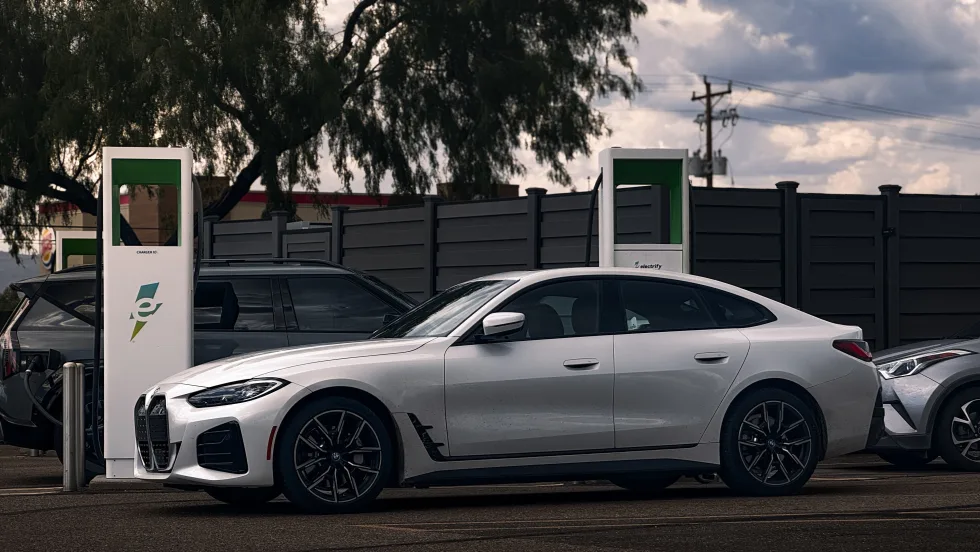
EV Buyer Consideration Shifts
What drives American consumers to purchase an electric vehicle is shifting as the question moves away from Should I?' to 'Which features and experience do I want to have?'
Read More →
Auto Nameplate Loyalty Holds in Tough Times
Consumers have been faithful to brands despite financial pressures, and JD Power says that’s because automakers have made some wise moves.
Read More →
Top New Jersey RV Store Sells
Myer’s RV Superstore is expanding its footprint in the state with two new locations that it acquired from Ed Hutchinson Jr.
Read More →
Alliance Analyzes Technician Pipeline
A new industry report examines the state of skilled trades in the U.S. and details the drivers of demand for automotive repair and how technicians enter and grow in the workforce.
Read More →
Luxury Rooftop Changes Hands
Genesis of Glenview is getting a new owner and a new location, but its name will stay the same.
Read More →
Future-Proof Your Business
A new industry outlook details several ways that automotive companies can use the rise in artificial intelligence and advanced technologies to their advantage.
Read More →
Dealership Buy-Sells Keep Going Up
First-half transactions reflect continued high appetite for acquisitions despite falling profits, the most sought-after franchises bringing record prices.
Read More →
California Makes Electric Moves
New laws in the Golden State aim to advance consumer access to public electric-vehicle chargers and reduce costs and barriers to its infrastructure.
Read More →