



Car Characters on the World Stage
The vehicle often holds an outsize place in a culture. A photography book’s dozens of examples are a collection of interpretations and extensions that reveal its moldability.

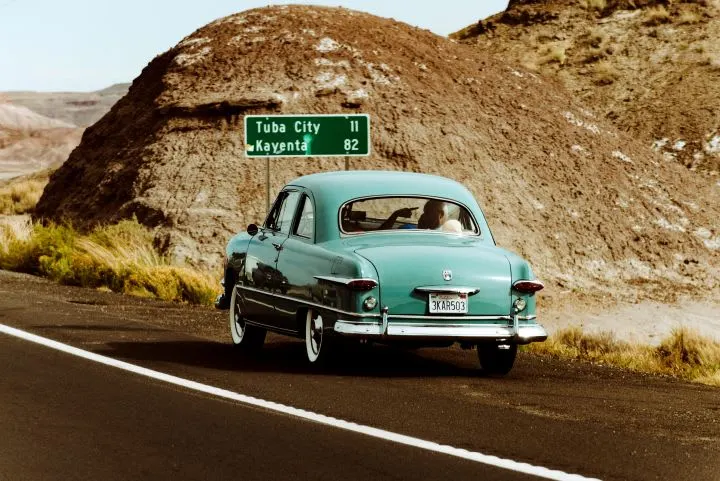
What do cars mean to your dealership’s customers?
Pexels/Quintin Gellar
A new photography book on the car’s place in society shows the intimate role it plays in our day-to-day lives and even sometimes our identities.
Of course, the car occupies different places in different cultures, but it nevertheless tends to figure largely, and “Homo Mobilis” takes the reader on a tour of various post-transaction manifestations.
The 160 vehicles and their owners that Dutch photographer Martin Roemers chose for the book from across continents – some actually carts and other adapted contrivances – show how owners can make their rides traveling businesses, and not just taxis, or extensions of themselves.
A sizable number of the highlighted vehicles happen to be in India, where many owners exercise their creative and entrepreneurial spirits in the use of their conveyances. Depending on which ranking you consult, the subcontinent was either fourth or fifth in the world last year in automotive production volume.
China, meanwhile, was first and produced some 40% of new vehicles across the world, according to sell-side dealership transaction firm Kerrigan Advisors.
Still, many vehicle owners in those countries make do with well-worn four- or three-wheelers originally built long ago due to the same divide between the wealthy and the low-income that’s making new cars out of reach for many mass-market consumers in the U.S.
New or old, the vehicle can be much more than transportation, as the book reflects. One man in India, for instance, planted a green garden on the roof of his purple micro car as part of his environmental activism.
“Through this project, I want to hold up a mirror: to our systems, our aspirations, our transitions,” Roemers says. “We are what we drive – not in a consumerist sense, but in a cultural one.”
Auto dealers are of course an important link in the chain that connects automakers with auto consumers in order to maintain this strong connection, whether through a new car or a used one. What do cars mean to your dealership’s customers?
More Articles

Interest Rates Further Squeeze Auto Consumers
Last month’s hike and a potential second increase this month add to a growing list of inflation woes that could continue to dent overall car sales.
Read More →
New-Vehicle Prices Stay Put
Affordability pressures and model availability shaped new-vehicle sales in September, according to an analysis by Kelley Blue Book.
Read More →
EV Buyer Consideration Shifts
What drives American consumers to purchase an electric vehicle is shifting as the question moves away from Should I?' to 'Which features and experience do I want to have?'
Read More →
Mind Your Process
Consistent steps taken in various aspects of the F&I office can make valuable differences over time, similar to an outline for a best-selling book.
Read More →
Auto Nameplate Loyalty Holds in Tough Times
Consumers have been faithful to brands despite financial pressures, and JD Power says that’s because automakers have made some wise moves.
Read More →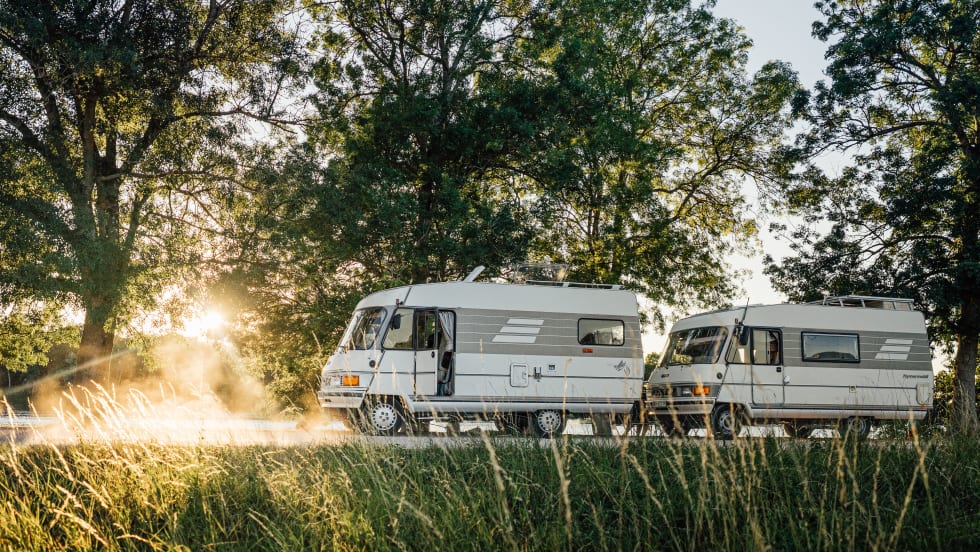
Top New Jersey RV Store Sells
Myer’s RV Superstore is expanding its footprint in the state with two new locations that it acquired from Ed Hutchinson Jr.
Read More →
Simple But Effective Hacking Surges
Data from the past year at U.S. auto dealerships finds that email and identity phishing are growing threat sources that can dispense with malware by exploiting trust.
Read More →
Alliance Analyzes Technician Pipeline
A new industry report examines the state of skilled trades in the U.S. and details the drivers of demand for automotive repair and how technicians enter and grow in the workforce.
Read More →
Year-to-Date Auto Sales Holding Their Own
A forecast through August shows that automakers have shifted strategies to keep deliveries and revenues up despite tariffs and other economic challenges.
Read More →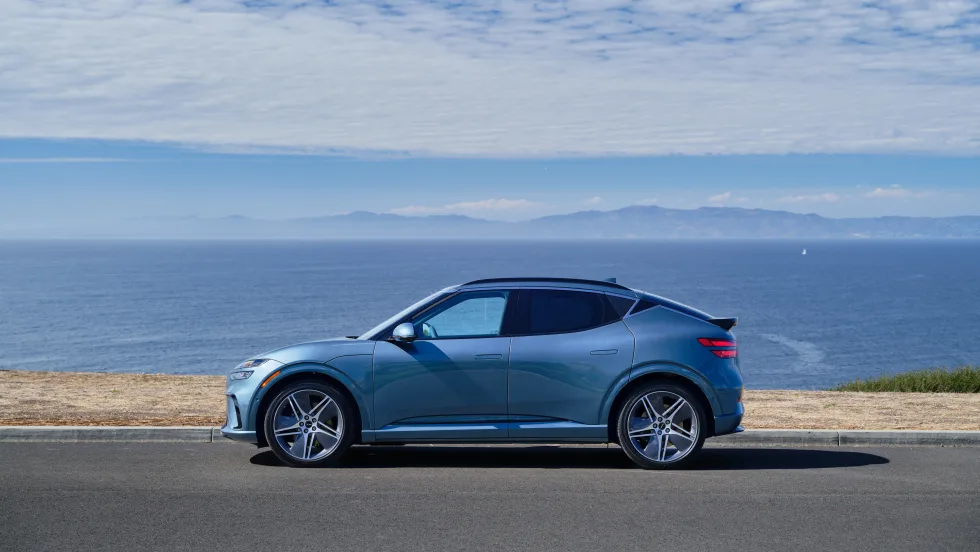
Luxury Rooftop Changes Hands
Genesis of Glenview is getting a new owner and a new location, but its name will stay the same.
Read More →