



Fewer Cars Disappeared Last Year
Reported thefts fell to their lowest level in decades, though the risk is still quite real, especially in large metro areas. Meanwhile, Hyundai and Kia nabbings, though still high, slowed.

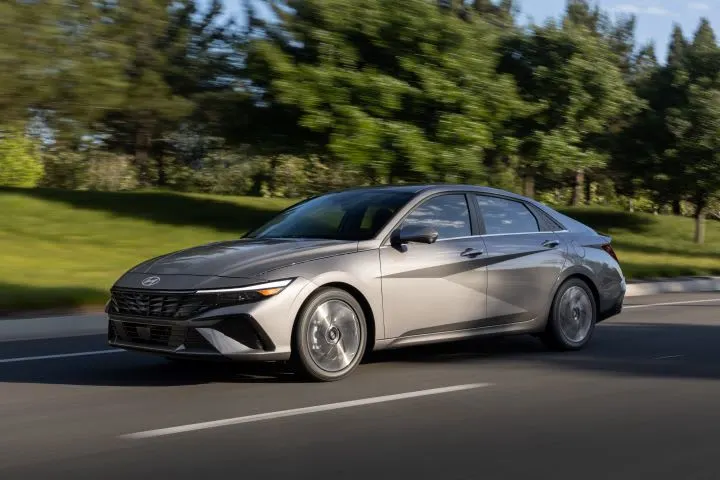
Hyundais and Kias still represented a sizable portion of stolen U.S. vehicles last year, but their theft rate continued to fall.
Hyundai
Looking at the raw number of vehicles stolen in the U.S. last year, you wouldn’t guess that it represents a decades-long low, but data suggest that’s the case.
Nearly 660,000 were reported stolen last year, according to the nonprofit National Insurance Crime Bureau. The Illinois-based organization works to fight and prevent insurance-related crimes.
Though still an obviously high number of thefts, the figure represents a 23% drop from 2024 following a 17% decrease from 2023, the bureau reported.
Last year’s drop in reported thefts was the steepest decline in 40 years, according to the group, supplanting the 2024 decrease.
Even so, the 2025 theft rate translates to a vehicle theft every 48 seconds, the bureau said.
The group credited teamwork among itself, law-enforcement agencies, automakers and insurers for the dramatic plunge.
“But with several hundreds of thousands of vehicles stolen in a single year, vigilance and prevention efforts remain key to protecting families, businesses and communities nationwide,” said Bureau CEO David Glawe.
Some individual states and territories saw even greater theft declines than the national fall, led by Washington, whose reported car nabbings dropped 39%. It was followed by Colorado, which experienced a 35% drop, and Puerto Rico at a 34% decrease, according to the bureau.
Meanwhile, California, the most populous state and with a strong car culture, led in total thefts at about 137,000, concentrated in the Los Angeles metropolitan area, where nearly 54,000 disappeared. Texas and Illinois followed at more than 75,000 and 28,000, respectively.
Hyundais and Kias still had an outsize showing in the top 10 most stolen models, the Hyundai Elantra leading at nearly 22,000. The sibling South Korean automakers took three of the 10 spots, but thefts of their models fell last year from 16% of all vehicle nabbings to 14%, according to the bureau.
A rash of thefts has plagued the brands, whose 2011 to 2022 models came without electronic immobilizers as standard. The automakers issued software updates and took other preventative measures that helped stem the trend, though not all owners had implemented them.
More Industry
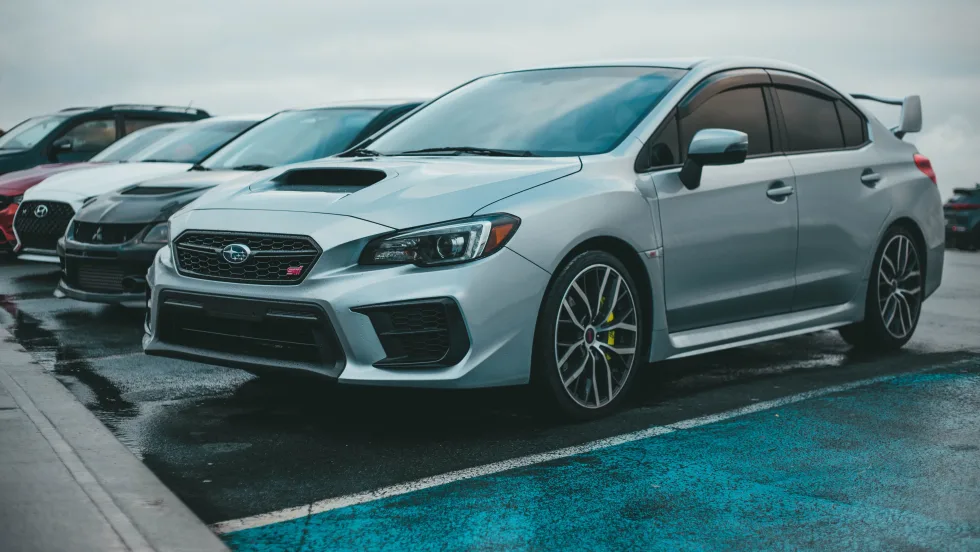
New-Vehicle Prices Stay Put
Affordability pressures and model availability shaped new-vehicle sales in September, according to an analysis by Kelley Blue Book.
Read More →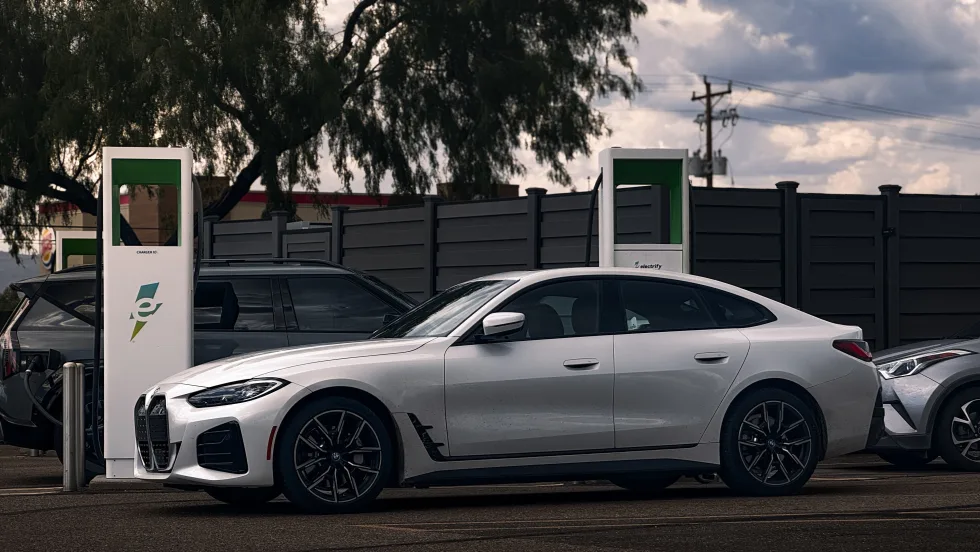
EV Buyer Consideration Shifts
What drives American consumers to purchase an electric vehicle is shifting as the question moves away from Should I?' to 'Which features and experience do I want to have?'
Read More →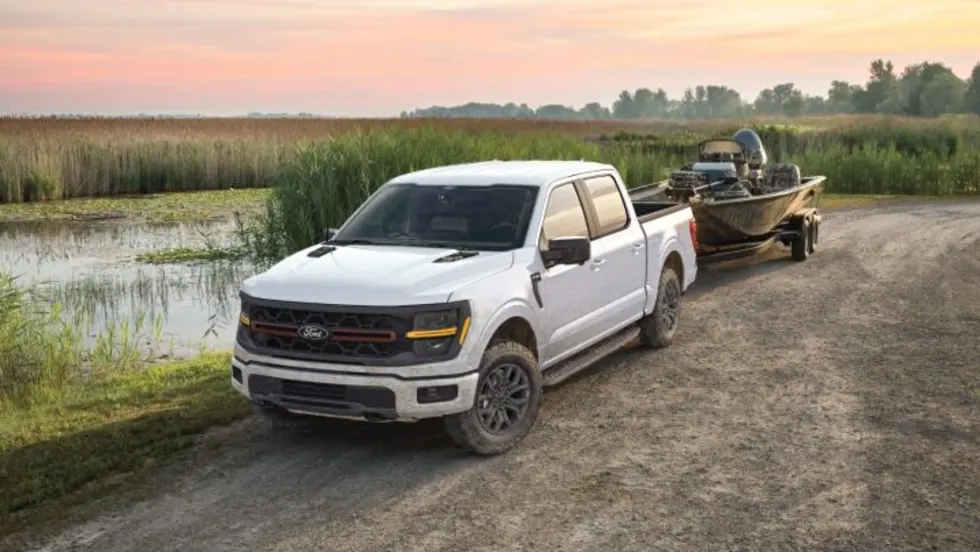
Auto Nameplate Loyalty Holds in Tough Times
Consumers have been faithful to brands despite financial pressures, and JD Power says that’s because automakers have made some wise moves.
Read More →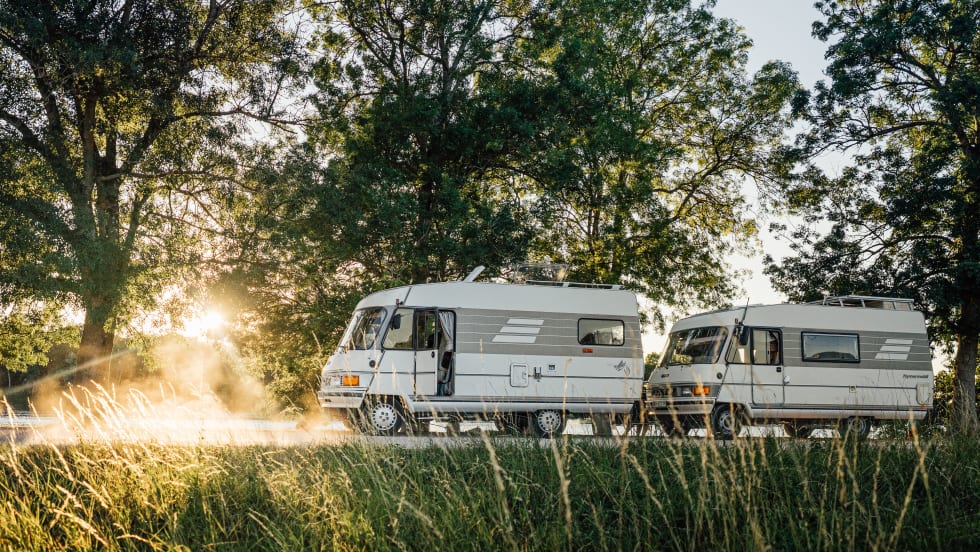
Top New Jersey RV Store Sells
Myer’s RV Superstore is expanding its footprint in the state with two new locations that it acquired from Ed Hutchinson Jr.
Read More →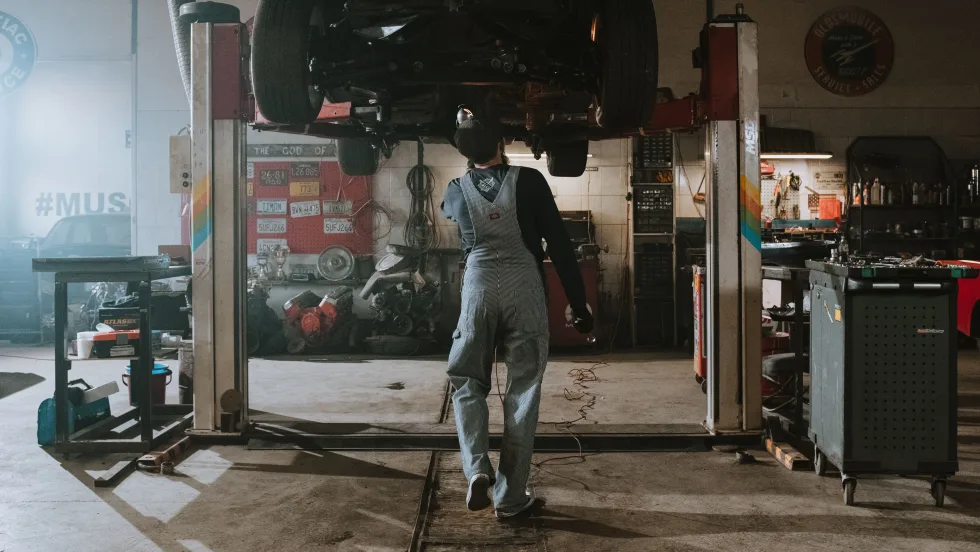
Alliance Analyzes Technician Pipeline
A new industry report examines the state of skilled trades in the U.S. and details the drivers of demand for automotive repair and how technicians enter and grow in the workforce.
Read More →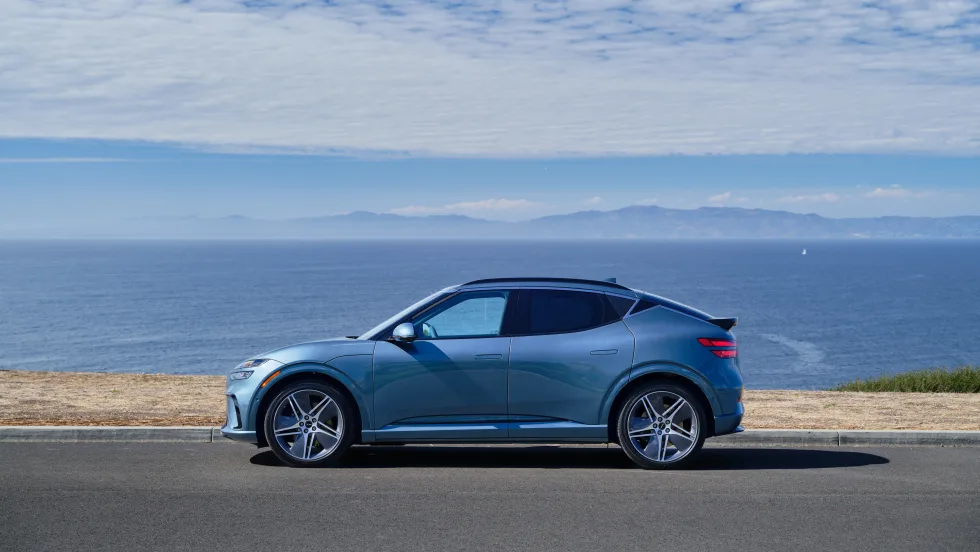
Luxury Rooftop Changes Hands
Genesis of Glenview is getting a new owner and a new location, but its name will stay the same.
Read More →
Future-Proof Your Business
A new industry outlook details several ways that automotive companies can use the rise in artificial intelligence and advanced technologies to their advantage.
Read More →
Dealership Buy-Sells Keep Going Up
First-half transactions reflect continued high appetite for acquisitions despite falling profits, the most sought-after franchises bringing record prices.
Read More →
California Makes Electric Moves
New laws in the Golden State aim to advance consumer access to public electric-vehicle chargers and reduce costs and barriers to its infrastructure.
Read More →
Rare Earths Independence
Automakers seek alternatives to sourcing battery raw materials in volatile markets roiled by trade wars and disrupted supply chains.
Read More →