



Dealer Performance Under Lender Spotlight
While the fate of the industry’s troubled automakers might be making headlines, finance sources say their focus is on dealer performance.
As Chrysler and General Motors emerge from bankruptcy, their efforts to do so have created unprecedented concern about the present and future values of their cars and the collateral protection they provide. The economy is in a serious recession and the auto securitization market has all but stopped functioning, so what is the industry to do? This question was at the heart of discussions at the National Auto Finance (NAF) Association’s 13th annual Nonprime Auto Financing Conference.
Held June 3-5 in Fort Worth, Texas, the conference opened up with a panel discussion between three executives representing active nonprime auto finance companies, including Tommy Moore, chairman and CEO of First Investors Financial Services Group, Ian Anderson, CEO of Westlake Financial, and Bill Jones, president of Regional Acceptance Corp.
Moore said First Investors is focusing on lower loan-to-value ratios, shorter terms and trying to price risk appropriately. He added that the finance company’s portfolio has shifted toward used vehicles.
Westlake’s Anderson said his company is paying close attention to credit bureau information. He feels that income level isn’t as relevant for nonprime accounts as it is for prime credit.
Jones said that Regional Acceptance is using static pool analysis to monitor how effective its underwriting and collections are, with the company performing like-income and like-term analysis on its portfolio. The finance company has also reduced loan terms, with Jones saying the company is averaging 64 months. He also said his company is attempting to improve servicing by being proactive rather than reactive. The goal behind this effort is to develop underwriting and collection strategies that look at attributes not traditionally related to risk.
Executives of nonprime auto finance companies discuss the credit market at the 13th annual Nonprime Auto Financing Conference.
All three panelists were asked about the bankruptcies of Chrysler and General Motors. Moore stated that First Investors grades dealers and is more focused on dealer risk than on manufacturers. Jones stated that Regional Acceptance still finances Chrysler, but is looking more closely at its dealer relationships. The lender is also focusing on dealer financial statements, pulling Better Business Bureau reports on dealers and monitoring consumer complaints.
In regards to collections and servicing, Anderson stated that Westlake is working on ways to make it easier and more convenient for customers to make payments. Moore said First Investors currently rewards collection performance with incentive programs. Jones added that Regional Acceptance continues to make adjustments to its collections and servicing efforts by studying risk indicators for negative trends.
In addition to the executive panel, the conference featured an operations panel to discuss current collection techniques. Panelists said greater emphasis is being placed on speaking directly with customers rather than communicating by e-mail and letters. Finance sources are also extending terms on delinquent accounts. In general, everything is being done to keep people in their cars.
It’s clear that creditors in the auto finance sector are doing all they can to keep people in their vehicles. And those finance sources that are surviving in today’s market are doing so because they are paying attention to risk indicators and finding effective ways to work with delinquent customers. All of this should work to build a stronger and more effective auto finance sector when today’s economic crisis abates.
Jack Tracey is the executive director of the National Automotive Finance (NAF) Association. For more information, visit www.nafassociation.com.
More F&I

AI: Facilitator, Not Fixer, in F&I
The dealerships that thrive in the years ahead will be those that embrace technology while continuing to invest in the people who make customer interactions count.
Read More →
Modern Technology Objection Handling
In this video, Trent White shares how to confidently handle technology-based objections by helping customers understand the value of protection, even with modern vehicle technology.
Read More →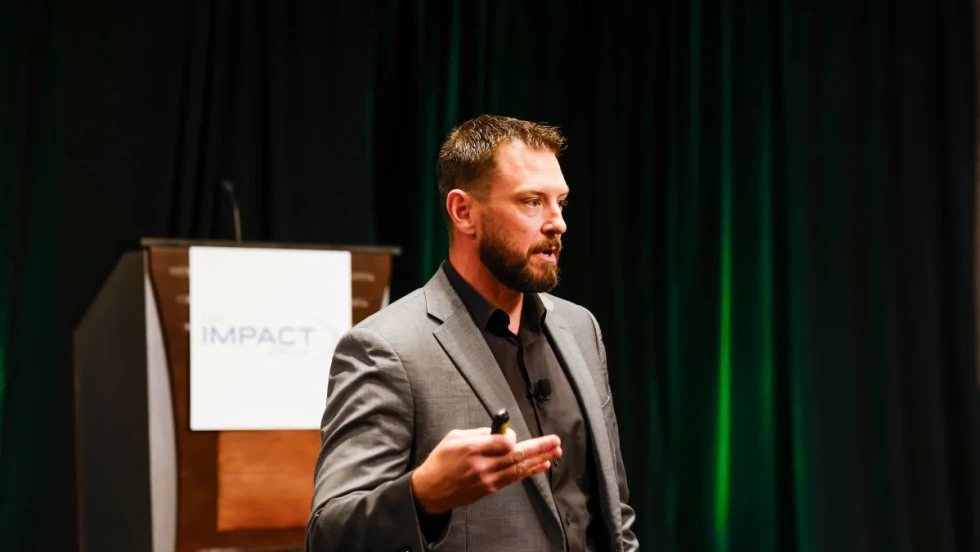
Consistency at Scale: Driving F&I Performance
With 75 rooftops across the Sunshine State, Morgan Auto Group has proven to Floridians that it knows a thing or two about driving performance in a competitive market. But it didn’t start at the top.
Read More →
Gitty Up on GAP
The foundational finance-and-insurance product hasn’t kept up with the latest conditions for auto dealers. Is the time ripe?
Read More →
How AI-Powered Coaching Is Transforming F&I Performance
See how AI-powered coaching can turn F&I customer conversations into actionable insights that support compliance, performance and profitability
Read More →
Sell Value, Build Trust
In this video, Trent White explains why selling on value, not fear, builds lasting customer trust, reduces cancellations, and drives long-term success.
Read More →
F&I Sales Give Dealers First-Half Lift
Product business shored up total profits to avoid an overall revenue tanking as product penetrations held steady, StoneEagle reported.
Read More →
Targeted Training Drives Results
Today’s technology, instead of threatening F&I managers, can actually make them better, according to an industry veteran who’s watched market setbacks roil the unprepared.
Read More →
Double the Change, Double the Chance
When an F&I manager gets a customer refusal, it’s a wise move to tweak more than one thing in the product offering.
Read More →
Just Do It
F&I managers need training, but instead of resisting application or expecting perfection, they should improve by simply acting on what they learn.
Read More →