



Maximizing PPM Return
Customer retention isn’t the only thing prepaid maintenance plans drive. With the right product mix, they also can add serious revenue to your store’s bottom line.
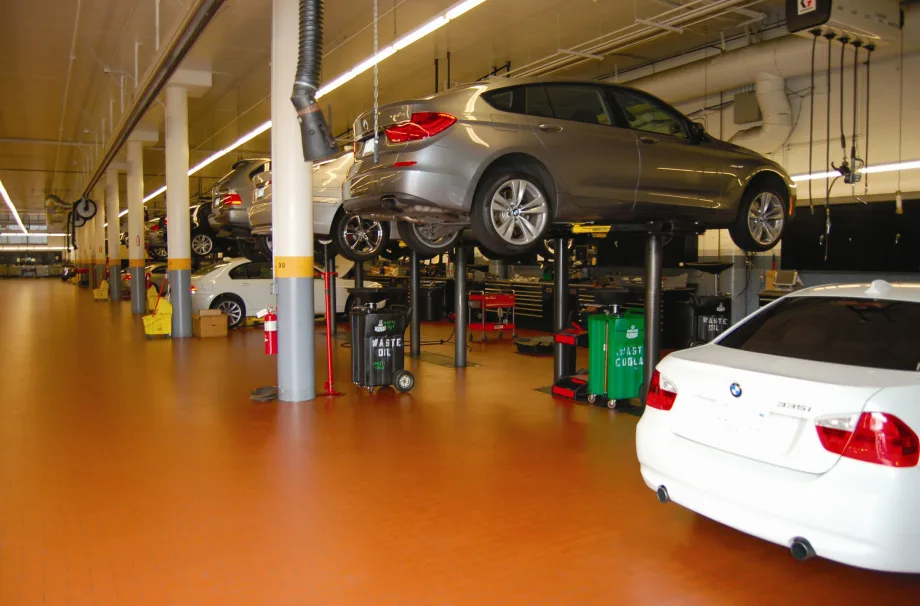
When a dealership offers a prepaid maintenance program (PPM) to its customers, what does the store hope to get in return? Customer affinity is one thing, but there are other benefits to this bottom line-driving F&I product.
Not only does a PPM plan deliver affinity, it provides dealers with profitable affinity. And experience shows that customers who use a dealer’s repair facilities are 17 times more likely to purchase their next vehicle from that dealer. As great as that is, the true long-term benefit is that PPM-plan customers frequently purchase additional customer-pay retail parts and labor services that boost repair order profitability.
To capture that opportunity, dealerships need to commit themselves to delivering a safety-and-reliability inspection to every vehicle owner. Doing so helps verify the needs that brought the vehicle into the shop. It also allows technicians to identify other legitimate maintenance and repair needs beyond those covered by the customer’s PPM plan.
Boosting a PPM repair order by upselling an additional $150 to $350 of retail customer-pay business will add serious money to the bottom line. When a PPM plan is built into used-vehicle prices, a dealer can bump after-sale service from about 15 percent to upwards of 50 percent.
A dealer who plugs a basic three-product PPM plan into every one of the 600 used units he or she sells each year can expect to generate more than $1.3 million in total incremental service revenue. This return is based on a $682 retail upsell per customer per service visit over the two-year plan term, even after factoring in a 55 percent utilization rate and plan costs.
PPMs Convert to More RO Dollars
Studies of current customers purchasing a PPM program reveal a remarkable statistic: While current industry stats indicate that roughly one in five customers return to the dealership for service, customers who opt for a PPM plan are visiting their servicing dealers at a rate of 72 percent.
Additionally, plan holders that return to the dealership to redeem their plan benefits purchase incremental retail service about 90 percent of the time. In addition to the increased visit frequency, those plan holders are spending an average of $128 per visit, which includes upsell products and services.
A dealer who writes 1,500 repair orders per month can easily sell 150 to 200 maintenance policies by simply asking customers visiting the service department. In the F&I office, it takes a 500- to 600-unit store to generate the same 200 maintenance policies.
Given these upsell profit opportunities, it’s difficult to fathom why some dealers have had disappointing experiences with PPM programs. Many have said that customers simply won’t buy these plans. But upon closer inspection, it becomes clear why customers wouldn’t be interested: the plans were loaded with services of low value to the customer yet priced quite profitably for the dealership. This is unfortunate, as the nature of these low-value plans — and dealers’ inability to sell the plans — result in lost service business for the dealer.
Newer, redesigned PPM programs help to eliminate those problems by offering a wider range of products and services. These programs — usually administered and managed to offer what is considered valuable to the dealership’s customers and market — seem to really work for both the consumer and dealer.
Next-Gen PPM Plans
Today’s PPM plans also are software-driven, handling once time-consuming chores like plan registration, service claims and premium submission. Because dealers control these programs, any reserve or forfeiture, or money remaining in reserve for plan services not redeemed by purchases, is immediate.
Every plan must also account for forfeiture, i.e., when a customer terminates the plan early or does not use the plan for whatever reason. For most traditional plans, the third-party administrator holds a dealer-funded reserve. It is from this reserve that the administrator could take up to 60 percent of the value of the cancelled services as part of its fee structure.
The new generation of self-administered, self-managed plans offers attractive advantages to today’s market and value-conscious buyer. Custom plan content really appeals to them, and it makes these plans more attractive. These plans also enhance the owner’s investment by having the vehicle maintained by the dealership that sold his or her plan. This, in turn, enhances opportunity for alert advisors to upsell additional services for healthier repair orders.
Michael Gorun is managing partner of MediaTrac, a technology-based owner retention and loyalty company. He has worked in operational service management positions for Ford, Nissan and General Motors. He can be reached at michael.gorun@bobit.com.
More F&I

AI: Facilitator, Not Fixer, in F&I
The dealerships that thrive in the years ahead will be those that embrace technology while continuing to invest in the people who make customer interactions count.
Read More →
Modern Technology Objection Handling
In this video, Trent White shares how to confidently handle technology-based objections by helping customers understand the value of protection, even with modern vehicle technology.
Read More →
Consistency at Scale: Driving F&I Performance
With 75 rooftops across the Sunshine State, Morgan Auto Group has proven to Floridians that it knows a thing or two about driving performance in a competitive market. But it didn’t start at the top.
Read More →
Gitty Up on GAP
The foundational finance-and-insurance product hasn’t kept up with the latest conditions for auto dealers. Is the time ripe?
Read More →
How AI-Powered Coaching Is Transforming F&I Performance
See how AI-powered coaching can turn F&I customer conversations into actionable insights that support compliance, performance and profitability
Read More →
Sell Value, Build Trust
In this video, Trent White explains why selling on value, not fear, builds lasting customer trust, reduces cancellations, and drives long-term success.
Read More →
F&I Sales Give Dealers First-Half Lift
Product business shored up total profits to avoid an overall revenue tanking as product penetrations held steady, StoneEagle reported.
Read More →
Targeted Training Drives Results
Today’s technology, instead of threatening F&I managers, can actually make them better, according to an industry veteran who’s watched market setbacks roil the unprepared.
Read More →
Double the Change, Double the Chance
When an F&I manager gets a customer refusal, it’s a wise move to tweak more than one thing in the product offering.
Read More →
Just Do It
F&I managers need training, but instead of resisting application or expecting perfection, they should improve by simply acting on what they learn.
Read More →