



Slippery Synthetic Fraud Increasingly Occurring in Dealerships
As COVID-19 has lead to more vehicles being financed and purchased online, the ability of the F&I department to sift out synthetic fraud will be increasingly valuable to them. F&I managers are encouraged to take another look at available technologies to identify synthetic fraud when practiced against their dealership.
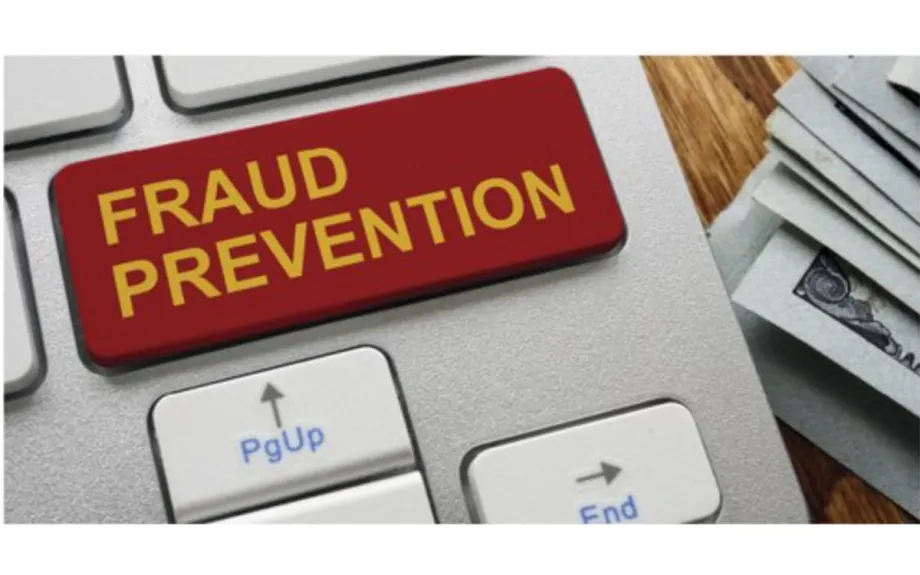
As COVID-19 has lead to more vehicles being financed and purchased online, the ability of the F&I department to sift out synthetic fraud will be increasingly valuable to them. F&I managers are encouraged to take another look at available technologies to identify synthetic fraud when practiced against their dealership.
Image by DESIGNER491 via GettyImages.com
The harsh reality of the crime known as “synthetic identity fraud” threatening auto dealerships, is how damaging it can be if these fraudsters are successful without detection. Synthetic fraud in 2019 was costly to dealers and their lenders – $69 million. The evidence we see, which is supported by Experian and others, is that incidents of synthetic fraud are on the upswing. And now, more than ever, with COVID-19 forcing dealerships to move their operations online, we can only expect this illegal practice to become even more of a threat.
F&I departments are encouraged to take another look at available technologies to identify synthetic fraud when practiced against their dealership.
My advice is, take heed against this risk. Learn how to protect (and remedy) your dealership from this hard-to-detect crime.
This crime is a different type of identity fraud: It is not perpetrated by run-of-the-mill cheaters who attempt to purchase a car with someone else’s identity and have no intention of ever making a payment.
Instead, these fraudsters present an identity that they have created with an established credit file. They are patient, as well; they have spent more than a year building these files and establishing credit only to wait for the “bust out” date. The problem is, the social security number, employment history, address, and other forms of I.D. presented isn’t theirs – it’s a homogenization of yours, mine, and your granddaughter’s.
CyLab, Carnegie Mellon University's security and privacy research institute, reports stolen children’s SSNs are used for synthetic frauds 51 times the rate of adults because of the “unique value of unused Social Security numbers.”
Unless your dealership is using synthetic fraud detection technology, it’s unlikely that even the most diligent finance director will catch on when the dealership is being defrauded this way.
Then, with the deal done, the new “owner” drives off having no intention of paying the loan – and laughing on their way, knowing he or she has left behind no tracks.
Stop the Fraud
Some dealers mistakenly believe that the Red Flag identification methods detect synthetic fraud; it does not. These fraudsters have built/created credit files that are in line with the identity they are presenting at the point of sale. To isolate synthetic fraud, you must use detection technology that goes deep into the “buyer’s” credit history to identify unusual credit behaviors and relationships – for instance, who else is listed on the credit history that might foretell of manipulation.
Synthetic fraud protection compliance software, for instance, detects such identity fabrications and alerts F&I. Thus notified, the manager should ask the buyer for more clarification or proof of identity before proceeding with the transaction.
To send the suspect buyer packing, ask them tough identification questions, or ask them to sign documents that will allow the dealership to have the SSN they present verified by the Social Security Administration.
Yes, this questioning could offend some legitimate buyers, but dealers agree that risk is manageable given the value of the asset in consideration.
As more vehicles are financed and purchased online through digital dealerships during the COVID-19 era, dealerships’ ability to sift out synthetic crime from these channels will be increasingly valuable to them, their lenders, and their mutual, honest customers. F&I departments are encouraged to take another look at available technologies to identify synthetic fraud when practiced against their dealership.
Ken Hill is the Managing Director of 700Credit, a provider of credit and compliance products in the automotive industry. The company serves more than 11,000 automotive dealerships through its integration with 150 affiliate partners.
More F&I

AI: Facilitator, Not Fixer, in F&I
The dealerships that thrive in the years ahead will be those that embrace technology while continuing to invest in the people who make customer interactions count.
Read More →
Modern Technology Objection Handling
In this video, Trent White shares how to confidently handle technology-based objections by helping customers understand the value of protection, even with modern vehicle technology.
Read More →
Consistency at Scale: Driving F&I Performance
With 75 rooftops across the Sunshine State, Morgan Auto Group has proven to Floridians that it knows a thing or two about driving performance in a competitive market. But it didn’t start at the top.
Read More →
Gitty Up on GAP
The foundational finance-and-insurance product hasn’t kept up with the latest conditions for auto dealers. Is the time ripe?
Read More →
How AI-Powered Coaching Is Transforming F&I Performance
See how AI-powered coaching can turn F&I customer conversations into actionable insights that support compliance, performance and profitability
Read More →
Sell Value, Build Trust
In this video, Trent White explains why selling on value, not fear, builds lasting customer trust, reduces cancellations, and drives long-term success.
Read More →
F&I Sales Give Dealers First-Half Lift
Product business shored up total profits to avoid an overall revenue tanking as product penetrations held steady, StoneEagle reported.
Read More →
Targeted Training Drives Results
Today’s technology, instead of threatening F&I managers, can actually make them better, according to an industry veteran who’s watched market setbacks roil the unprepared.
Read More →
Double the Change, Double the Chance
When an F&I manager gets a customer refusal, it’s a wise move to tweak more than one thing in the product offering.
Read More →
Just Do It
F&I managers need training, but instead of resisting application or expecting perfection, they should improve by simply acting on what they learn.
Read More →