



The Key to Future Profitability is Service Retention
With vehicle sales patterns less robust, this department is a key to healthy revenue.

Dealers must be vigilant about third-party marketers who try to lure away customers with misleading advertisements for subpar coverage.
Pexels/Anna Shvets
The age-old axiom in the automotive business, "Sales sell them, but service keeps them," has never been more relevant or crucial than today.
The Rollercoaster of Dealership Sales
Recent disruptions in the industry have created a turbulent sales environment for dealerships. From dealers dealing with excessive inventory to insufficient stock, profit margins have swung wildly. These fluctuations have only intensified with issues like labor strikes and electric-vehicle mandates further roiling the market. I’m sure you get the picture!
The Role of Service Retention
In this shifting landscape, service retention emerges as a key strategy. Customers need consistent, high-quality service that makes them feel valued, especially during market conditions like inventory shortages that compel them to keep their vehicles for a longer period. According to S&P Global Mobility, the average vehicle on the road is now over 12 years old and climbing. Dealerships excelling in service retention not only maintain a steady revenue stream from parts and service but also set the stage for future vehicle sales. According to the National Automobile Dealers Association, a satisfied service customer has a 75% likelihood of making his or her next purchase from the same dealership. These trade-ins also delight dealership preowned sales managers, as they are often the most desirable used cars to have in stock.
The Three Pillars of Service Retention
Creating effective service retention involves a trifecta of elements: people, process and communication.
The most important element is the people. Staff in service roles must possess certain attributes, such as excellent listening skills, outgoing personalities, and a thick skin to handle customer complaints. These qualities help forge a personal connection with customers and encourage repeat business.
Having the right staff is a great start, but dealerships must also implement seamless processes. This includes ease of appointment-making, both online and by phone; clear signage directing customers to service areas; accurate service time estimates; and transparent pricing. Processes must come into play the moment a customer decides to come to the dealership for a service.
Effective communication ties the entire customer experience together. Ensure there is a proper greeting from the moment customers enter the facility. For example, providing a waiting area with Wi-Fi where customers can effectively use their time can greatly enhance their experience. Keeping the customer informed at all stages enhances satisfaction and reduces anxiety, making their next service visit something to dread less. Let customers know their anticipated wait times.
Addressing Customer Concerns
One of the most common questions from customers is, "How much will this cost?" A straightforward answer that indicates warranty coverage can do wonders for customer retention. Conversely, a high out-of-pocket cost may drive customers to explore more economical repair options.
Vehicle service contracts are a critical lynchpin for service retention and in keeping customers engaged in the cycle of "buy here, service here, trade-in, and buy here again." It's imperative for dealerships to review their strategies for selling VSCs, both at the point-of-sale and post-sale. When they have a VSC and don’t have to pay, they stay!
The Threat from Third Parties
Additionally, dealers must be vigilant about third-party marketers who try to lure away customers with misleading advertisements for subpar coverage. Consumers who purchase these may think they are being sold through your dealership. These lesser contracts lead to customers thinking they have coverage when in fact, they oftentimes don’t, which is frustrating for them and many times a challenging situation for your service drive.
Building service retention is a continuous challenge that requires concerted efforts in customer coverage, hiring the right people, implementing efficient processes, and using effective, customer-centric communication. Selling your customers a VSC that they need will keep them safe and secure with their vehicle purchase. Dealers who succeed at this stand to reap the benefits of a more stable and profitable business model, resilient despite the volatility of vehicle sales.
Liebler is divisional vice presidentat Automotive Product Consultants.
EDITOR’S NOTE: This article was authored and edited according to F&I and Showroom editorial standards and style. Opinions expressed may not reflect that of the publication.
More Industry
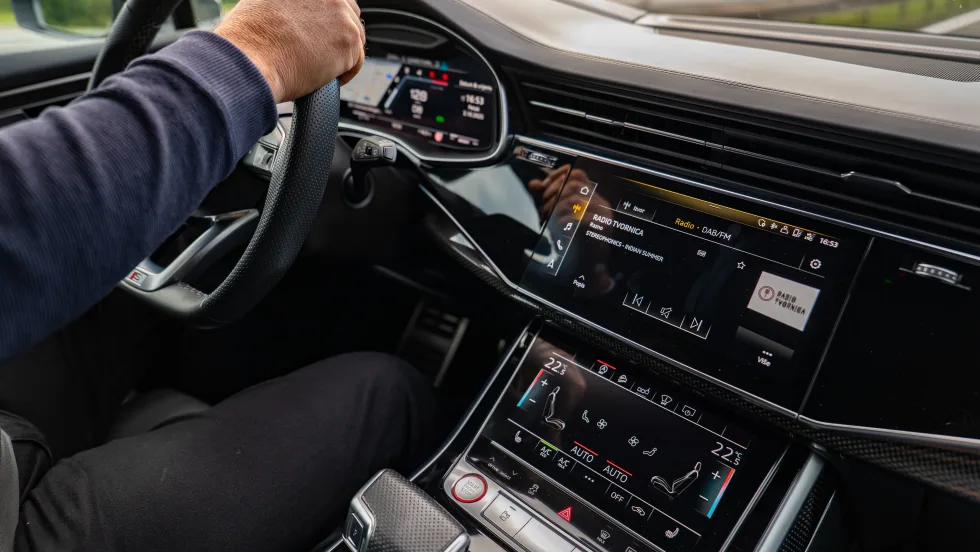
Connection Drives Consideration
Convenience and safety are top priorities for American drivers when it comes to connected vehicles and the services they expect with their next car.
Read More →
New-Vehicle Prices Stay Put
Affordability pressures and model availability shaped new-vehicle sales in September, according to an analysis by Kelley Blue Book.
Read More →
EV Buyer Consideration Shifts
What drives American consumers to purchase an electric vehicle is shifting as the question moves away from Should I?' to 'Which features and experience do I want to have?'
Read More →
Auto Nameplate Loyalty Holds in Tough Times
Consumers have been faithful to brands despite financial pressures, and JD Power says that’s because automakers have made some wise moves.
Read More →
Top New Jersey RV Store Sells
Myer’s RV Superstore is expanding its footprint in the state with two new locations that it acquired from Ed Hutchinson Jr.
Read More →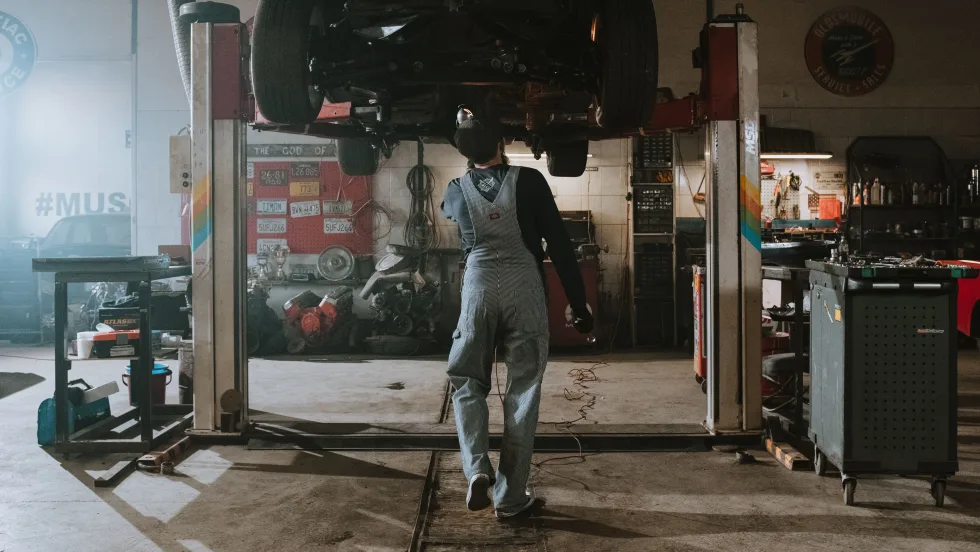
Alliance Analyzes Technician Pipeline
A new industry report examines the state of skilled trades in the U.S. and details the drivers of demand for automotive repair and how technicians enter and grow in the workforce.
Read More →
Luxury Rooftop Changes Hands
Genesis of Glenview is getting a new owner and a new location, but its name will stay the same.
Read More →
Future-Proof Your Business
A new industry outlook details several ways that automotive companies can use the rise in artificial intelligence and advanced technologies to their advantage.
Read More →
Dealership Buy-Sells Keep Going Up
First-half transactions reflect continued high appetite for acquisitions despite falling profits, the most sought-after franchises bringing record prices.
Read More →
California Makes Electric Moves
New laws in the Golden State aim to advance consumer access to public electric-vehicle chargers and reduce costs and barriers to its infrastructure.
Read More →