



The Looming Threat of Deepfakes
They represent a new era of auto and financial fraud.
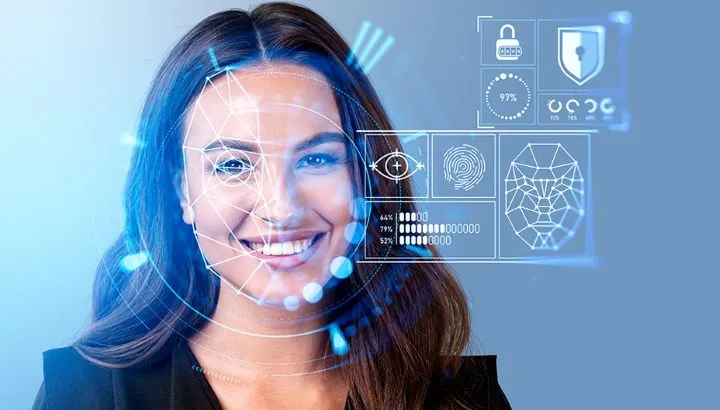
The rise of fraudsters manipulating images and text of loan documents is posing a significant threat to auto dealers and their customers.
InformedIQ
In recent years, while artificial intelligence has empowered dealers and lenders to enhance their businesses, it has also provided fraudsters with sophisticated tools to perpetrate financial fraud.
One of the most concerning developments is the use of generative AI techniques, including deepfakes, to create counterfeit documents. Deepfakes, short for "deep learning fakes," enable fraudsters to convincingly manipulate images and texts of key loan documents, making detection increasingly difficult and posing a significant threat to individuals, dealers and lenders.
Surge in AI-Driven Schemes
In November, the U.S. Department of the Treasury’s Financial Crimes Enforcement Network issued a report highlighting the rise of fraud schemes involving generative AI tools. The report noted that beginning in 2023 and continuing into 2024, there was an increase in suspicious activity reported by financial institutions, describing the suspected use of deepfake media in fraud schemes targeting their institutions and customers. Fraudsters have used generative AI to falsify identity documents, passports, photographs and videos to circumvent know-your-customer requirements and verification checks.
Deepfakes Skirting Traditional Tools
Deepfake fraud incidents are growing at a worrying rate. Security.org reports that deepfake fraud increased tenfold between 2022 and 2023, and a recent industry article indicated that 50% of businesses reported experiencing deepfake fraud in the previous year.
The emergence of deepfakes is unsurprising given the capabilities of generative AI tools. The tools enable fraudsters to create highly realistic loan documents in less time, with less money, and using fewer resources.
For example, a fraudster can subtly alter a photograph on a driver's license, replacing the image of one person with another. Even more concerning is the ability to manipulate the text itself, changing dates of birth, addresses or other crucial information without leaving obvious traces of tampering.
Unlike traditional methods of counterfeiting, which often leave telltale signs of alteration, deepfakes can be remarkably seamless. The manipulation involves altering the image, called "inpainting," which leaves the surrounding document untouched. This means that the overall appearance of the identification document, including holograms, microprinting and other security features, can remain intact, making it appear genuine at first glance. A visual inspection might fail to detect the subtle facial changes or text alterations, allowing fraudulent individuals to slip through the cracks.
The Challenge of Detecting Deepfake Fraud
To combat the new fraud risks, dealers and lenders cannot rely solely on traditional methods of ID verification. The challenge lies in detecting these sophisticated forgeries.
Lenders need tools that can evaluate documents in context, analyze metadata, and cross-reference information. For example, assessing the logical consistency of information in a loan package, such as whether a provided paystub deposit also appears on a bank statement, can help identify inconsistencies.
Leveraging Consortium Data for Robust Prevention
One of the most powerful tools against deepfakes is consortium data. Fraudsters lack the insight to know how the data they are using has already interacted with the world and the data residue it has left behind. By reviewing unique keys and patterns in transaction line items, document headers and footers, and visual content like logos and fonts, dealers and lenders can ensure that submitted documents are truly unique and valid when compared to a consortium of millions of documents. This approach provides a robust defense against deepfake fraud by leveraging the collective knowledge and data of multiple institutions.
AI-Driven Fraud Solutions
As the threat of deepfakes continues to grow, it is essential for dealers and financial institutions to stay ahead of fraudsters by adopting advanced AI-driven fraud detection solutions. The solutions should be capable of analyzing documents in context, assessing metadata, and cross-referencing information to identify inconsistencies. Additionally, leveraging consortium data can provide a powerful defense against deepfake fraud by ensuring the uniqueness of document keys.
The rise of deepfakes represents a new era of financial fraud that poses significant challenges to individuals and lenders alike. By adopting advanced AI-driven fraud detection solutions and tapping consortium data, financial institutions can enhance their ability to detect and prevent deep-fake fraud, safeguarding their operations and protecting their customers.
Tom Oscherwitz is general counsel at InformedIQ. He has over 25 years of experience as a senior government regulator, including with the Consumer Financial Protection Bureau and the U.S. Senate, and as a fin-tech legal executive working at the intersection of consumer data, analytics, and regulatory policy.
More Digital

AI: Facilitator, Not Fixer, in F&I
The dealerships that thrive in the years ahead will be those that embrace technology while continuing to invest in the people who make customer interactions count.
Read More →
Simple But Effective Hacking Surges
Data from the past year at U.S. auto dealerships finds that email and identity phishing are growing threat sources that can dispense with malware by exploiting trust.
Read More →
The Future of Car Dealerships
Artificial intelligence is reshaping the service-drive experience and will help retailers stay competitive.
Read More →
Structure Leads to Optimized Auto Listings
As the average car-buying journey has shifted to a blend of digital and retail, a dealership’s vehicle listings must be optimized to answer shoppers’ questions clearly and accurately.
Read More →
Real Intelligence
AI, though it presents many opportunities for productivity, efficiency and more, isn’t a one-for-one stand-in for people. It can augment human capital but not replace it altogether.
Read More →
Zurich Launches Advisor IQ for F&I Manager Coaching
The new platform uses real transaction data and artificial intelligence-driven insights to help car dealerships improve consistency and performance.
Read More →
F&I in the Digital Age
Digital retailing has not made the F&I manager obsolete. If anything, it has revealed how valuable the role can become when technology is used correctly.
Read More →
Need for Speed: EV Apps Lack Consistency
Fifty-five percent of surveyed EV owners said their mobile applications had a major or moderate impact on their purchasing decisions, but connectivity issues remain a problem.
Read More →
Four Keys to Your Digital Trail Defense
Federal regulators are cracking down on hidden fees. This protective measure could mean the difference between winning and losing a lawsuit or surviving a duel with the Dark Side.
Read More →
Hyundai Hosts Tech Talent Forum
Technology leaders from Hyundai Motor Group will have open discussions at the inaugural HMG Tech Talent Forum on topics ranging from autonomous driving to 'smart' manufacturing.
Read More →