



Americans Keeping ICE Vehicles Longer
S&P Global Mobility research finds the average age of gas-powered U.S. cars and light trucks has climbed to 12.5 years.

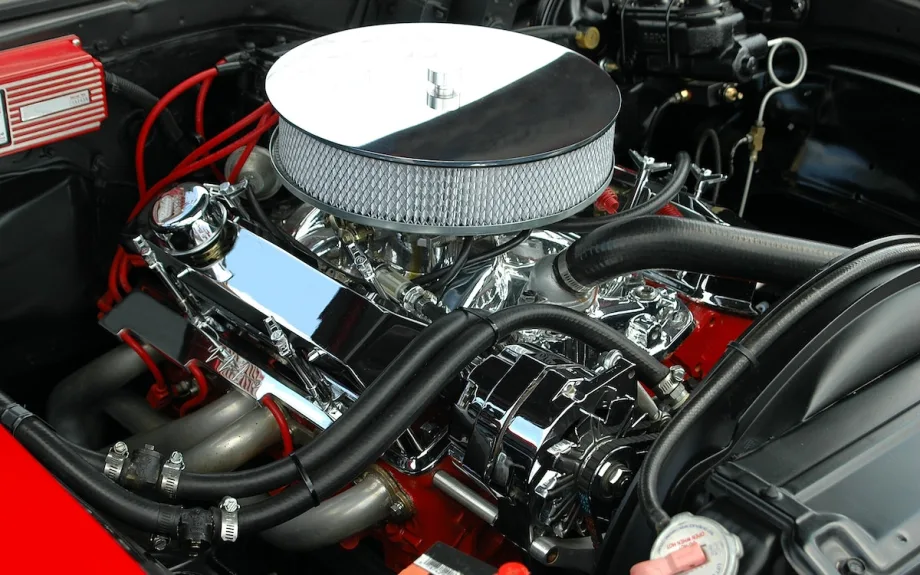
Supply constraints on new vehicle inventories and inflation and higher interest rates are causing Americans to hold on to gas-powered vehicles longer.
Hebert Santos
A recent study conducted by S&P Global Mobility reveals that Americans, in the final stages of the COVID pandemic, are holding onto their combustion-engine vehicles for longer periods.
The study highlights that the average age of cars and light trucks in the United States has reached a record high of 12.5 years. This trend can be attributed to several factors:
Supply constraints on new vehicle inventories because of pandemic impacts on manufacturing
Decreased consumer demand from inflation and higher interest rates.
However, the study also predicts the average vehicle age is expected to decrease in the coming year, despite six consecutive years of vehicle age increases. As supply chains stabilize and demand for new vehicles rebounds, with projected sales exceeding 14.5 million in 2023, the average age of vehicles is likely to decline, according to the report.
Interestingly, electric vehicles (EVs) defy this aging trend, finds the S&P research. The average age of battery electric vehicles (BEVs) in the United States has actually decreased slightly from 3.7 years in 2022 to 3.6 years. This age range has remained relatively consistent, hovering between 3 and 4 years since 2017.
The study attributes this phenomenon to the rapid growth in BEV sales, which increased by 58% in 2022. The higher influx of new EVs helps maintain a younger average age within the EV sector, even though a larger proportion of EVs are exiting the overall vehicle population when compared to combustion-engine vehicles.
From 2013 to 2022, the study notes that 6.6% of BEVs in operation were taken out of commission, while only 5.2% of combustion vehicles were removed from the fleet. This data indicates EVs experience a slightly higher turnover rate, potentially because of advancements in technology and consumer preferences for newer EV models.
The study by S&P Global Mobility shows Americans extended the lifespan of their combustion-engine vehicles during the COVID pandemic, leading to a record average vehicle age. However, the average age is expected to decrease soon with the recovery of new vehicle availability and renewed consumer demand.
In contrast, EVs maintain a younger average age, owing to the surge in BEV sales despite a larger percentage of EVs leaving the overall vehicle population compared to traditional combustion-engine vehicles.
Originally posted on Auto Dealer Today
More Showroom

California Sees Quarterly Gains
California’s new-vehicle market saw a boost in hybrids in the third quarter and its first overall quarterly market gain of the year.
Read More →
New-Vehicle Prices Stay Put
Affordability pressures and model availability shaped new-vehicle sales in September, according to an analysis by Kelley Blue Book.
Read More →
EV Buyer Consideration Shifts
What drives American consumers to purchase an electric vehicle is shifting as the question moves away from Should I?' to 'Which features and experience do I want to have?'
Read More →
Year-to-Date Auto Sales Holding Their Own
A forecast through August shows that automakers have shifted strategies to keep deliveries and revenues up despite tariffs and other economic challenges.
Read More →
Slow to Robo
Ten years of polling consumers shows autonomous vehicles’ profiles have risen considerably, but even more people now want at least some level of control if they go that route.
Read More →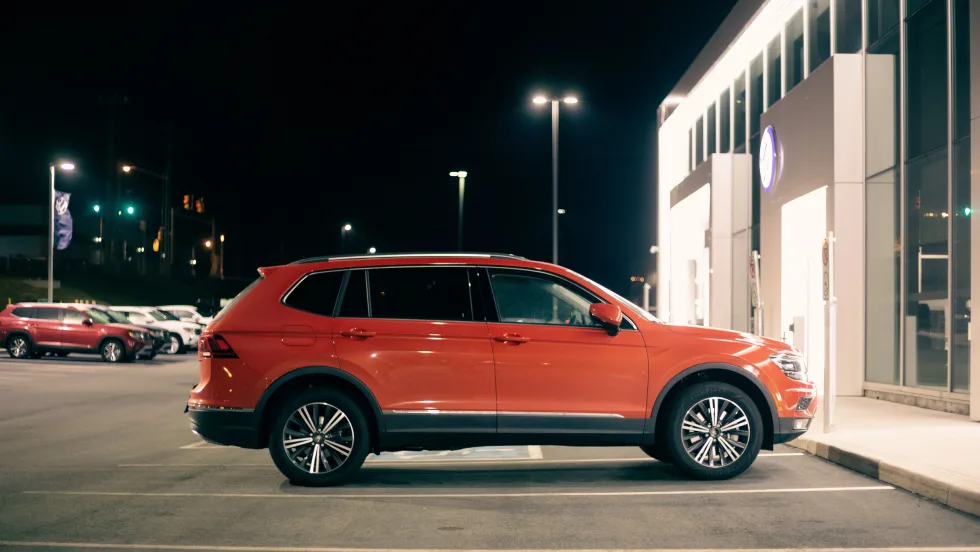
Dealers a Little Down
A third-quarter Cox Automotive survey finds them in a mixed mood, bummed by fallen customer traffic but encouraged by better profits, costs and EV interest.
Read More →
European EV Sales Skyrocket
The EV market on the continent held strong in July with almost 25% of new-car sales being fully electric units, a stark contrast to the U.S., where EV sales declined about 42%.
Read More →
Mitsubishi Unveils U.S. Plan
The automaker announced a strategy that includes an expanded lineup and dealership presence, along with more ‘rugged’ and electric models.
Read More →
Used Lots Getting the Business
Many consumers are seeking out the units to save money, and the demand – higher in July than normal – is keeping supply limited and prices up.
Read More →
Used Market Stabilizes
The Carfax Used Car Index noted a major drop in used-vehicle price increases in July after several months of hikes.
Read More →