



Automaker Favors Varied Auto Lineup to All EVs
Toyota Motor Corp. President Akio Toyoda says there is a silent majority who question whether automakers should pursue electric vehicles exclusively.

Toyota Motor Corp. President Akio Toyoda says there is a silent majority who question whether automakers should pursue electric vehicles exclusively.
IMAGE: Toyota
Toyota Motor Corp. President Akio Toyoda claims he’s among the auto industry’s silent majority who question whether automakers should pursue electric vehicles exclusively.
As automakers race ahead with large investments into EVs, challenges are mounting. Securing parts and raw materials for batteries has become an increasing problem. And some in the business question whether car buyers will transition to EVs as quickly as assumed as EV prices skyrocket.
“People involved in the auto industry are largely a silent majority,” Toyoda told reporters during a visit to Thailand. “That silent majority is wondering whether EVs are really OK to have as a single option. But they think it’s the trend so they can’t speak out loudly.”
Toyota is investing in a diversified vehicle lineup that includes hydrogen-powered vehicles and hybrids, which use both batteries and gas engines. This is in stark contrast to major competitors, such as General Motors and Honda Motor Co., both of which have set dates for when their lineups will be all electric.
Toyota sees hybrid technology as an important option as countries build out charging infrastructure. The automaker is also focusing on zero-emission vehicles powered by hydrogen.
“Because the right answer is still unclear, we shouldn’t limit ourselves to just one option,” Toyoda said.
Globally, automakers have pivoted to EVs and startups, such as Rivian Automotive and Lucid Group Inc., have moved into the fray. But this may be shortsighted as many legacy automakers have a broad base of consumers living in rural areas and in developing economies with unreliable electricity supplies.
J.D. Power research finds the market share for EVs in the U.S. has risen to 6.5% of the total new-car market. EV sales have grown faster in states like California, which have more EV options and consumers willing to make the switch.
Auto executives predict gas-powered and hybrid models will be part of the market for some time to come. “The coastal areas, the East and West Coast, that’s electrifying much quicker than the interior of the country,” said Jim Rowan, chief executive of Volvo Car AB.
Other Japanese automakers share Toyoda’s skepticism about a fully electric future. Mazda Motor Corp execs once questioned if EVs really were cleaner and expressed concerns that EV batteries were too big and expensive.
Nissan Motor Co. took a more cautious approach to EVs, waiting instead to see if EV demand would materialize. However, Nissan reported in 2021 plans to invest $14.7 billion to roll out new EV models. Now, Nissan CEO Makoto Uchida says the company may need to invest more money into EVs.
Still, Toyoda argues fully electric models aren’t the only way to reduce carbon emissions. He says hybrid vehicles sold in large volumes can deliver short-term impacts. “It’s about what can be done now,” he said.
Toyoda noted alternatives to EVs, such as hydrogen-powered vehicles, were getting a warmer reception from government officials, members of the media and others involved in the auto industry.
“Two years ago, I was the only person making these kinds of statements,” he said.
In 2021, Toyota revealed plans to invest $35 billion on its EV lineup through 2030. The automaker also has made sizable investments in EV manufacturing capacity in the U.S. since then.
Originally posted on Auto Dealer Today
More Showroom

Year-to-Date Auto Sales Holding Their Own
A forecast through August shows that automakers have shifted strategies to keep deliveries and revenues up despite tariffs and other economic challenges.
Read More →
Slow to Robo
Ten years of polling consumers shows autonomous vehicles’ profiles have risen considerably, but even more people now want at least some level of control if they go that route.
Read More →
Dealers a Little Down
A third-quarter Cox Automotive survey finds them in a mixed mood, bummed by fallen customer traffic but encouraged by better profits, costs and EV interest.
Read More →
European EV Sales Skyrocket
The EV market on the continent held strong in July with almost 25% of new-car sales being fully electric units, a stark contrast to the U.S., where EV sales declined about 42%.
Read More →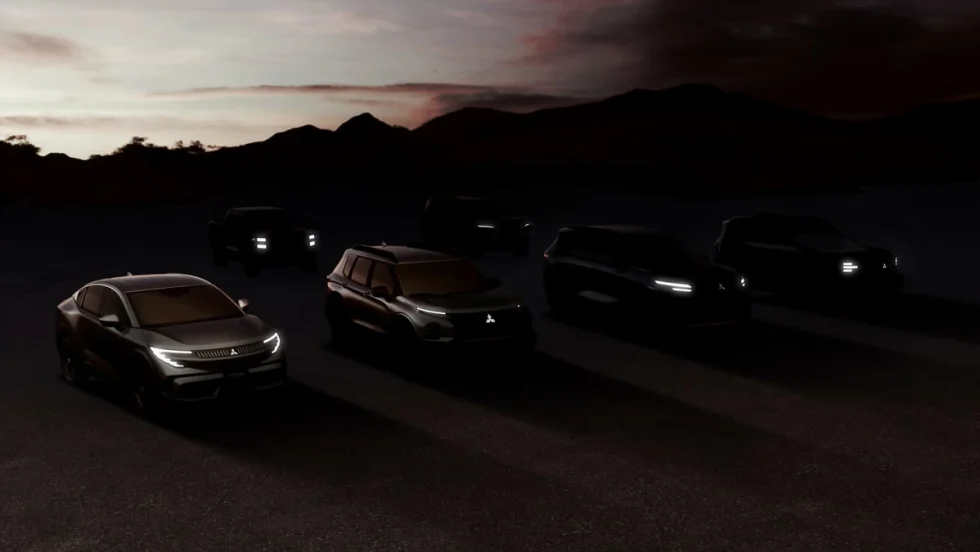
Mitsubishi Unveils U.S. Plan
The automaker announced a strategy that includes an expanded lineup and dealership presence, along with more ‘rugged’ and electric models.
Read More →
Used Lots Getting the Business
Many consumers are seeking out the units to save money, and the demand – higher in July than normal – is keeping supply limited and prices up.
Read More →
Used Market Stabilizes
The Carfax Used Car Index noted a major drop in used-vehicle price increases in July after several months of hikes.
Read More →
California Hybrids Reach State Record
The Golden State still leads the country in electric-vehicle registrations, but much like the rest of the U.S. its hybrid market share is up while full electrics stabilize after a dramatic first-quarter dip.
Read More →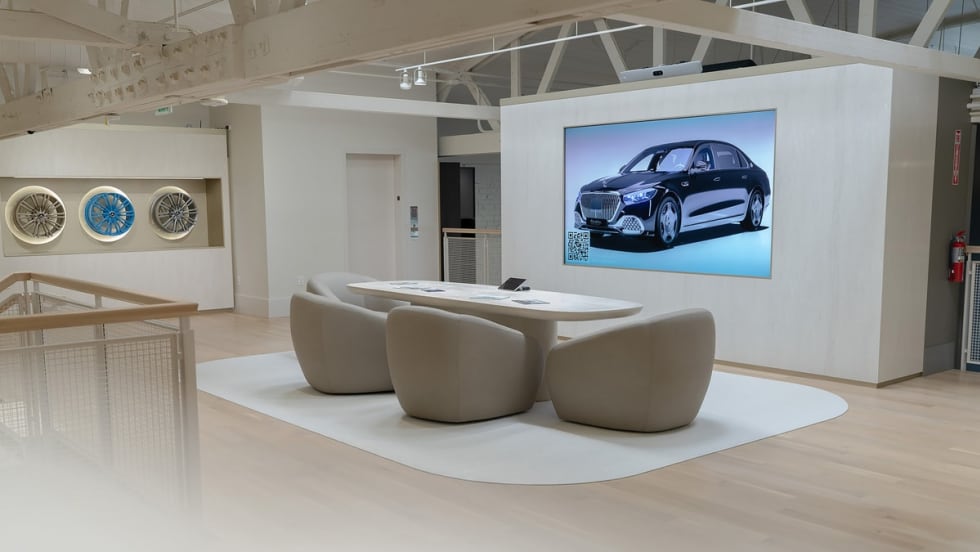
My Mercedes in the U.S.
The German brand debuted its studio dealership concept for the first time in the states in Los Angeles, tapping Americans’ penchant for creative distinctions.
Read More →
Used Sales Hit Summer Drag
The vacation season, combined with high prices, has dented deliveries and added to inventories, though supply is still slim enough to keep listings elevated.
Read More →