



Bloomberg: FCA Banking Unordered Vehicles, Pressuring Dealers
A Bloomberg report accuses Fiat Chrysler of creating a ‘sales bank’ of up to 40,000 new vehicles, reviving an old practice that could stoke tension among dealers and investors.

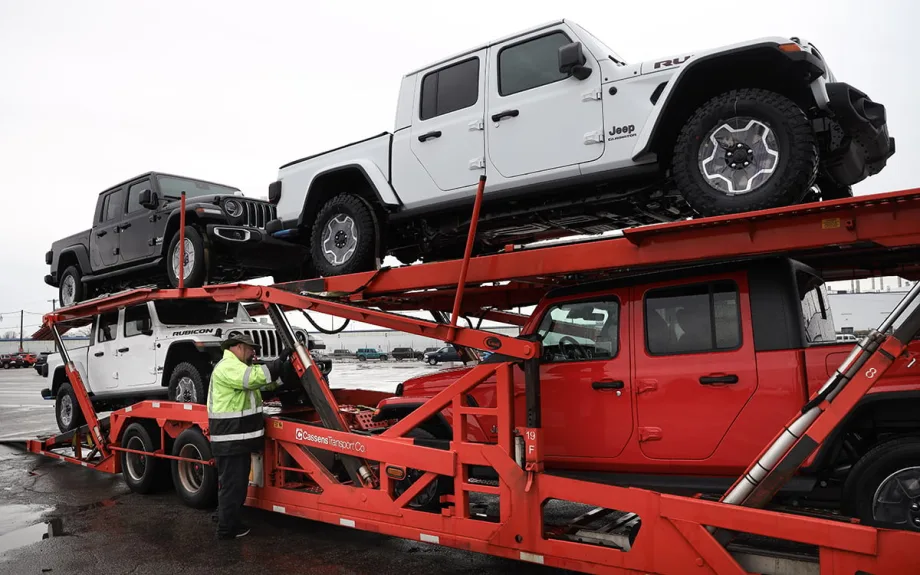
Bloomberg reports an overstock of 5,000 Fiat Chrysler vehicles at the end of the third quarter was the balance of a “sales bank” that held as many as 40,000 units earlier this year.
Photo courtesy Fiat Chrysler Automobiles
(Bobit) — Fiat Chrysler Automobiles has resurrected the practice of “sales banking,” at one point amassing a total of 40,000 unordered cars and trucks and putting undue pressure on U.S. dealers to stock and sell them, according to a Bloomberg report.
The existence of a sales bank would likely unnerve investors and analysts. FCA recently announced a merger agreement with France’s PSA Group, home of the Peugeot, Citroën, andOpel marques, among others. Bloomberg’s Gabrielle Coppola notes Chrysler is known to have overproduced in the late 1970s and at the outset of the Great Recession, when the company was seeking merger partners and would accept federal bailout funds to remain in business.
Read: FCA, PSA Reach Tentative Merger Deal
“While the company is nowhere near that sort of trouble — it just reported record quarterly profit — the surging supply of unassigned vehicles coincided with a period when the company was pursuing mergers,” Coppola writes.
“We’re producing pre-specificationed vehicles against predicted demand so the right vehicles are available when dealers need them.”
FCA’s global chief communications officer, Niel Golightly, claimed the overstock, which had dwindled to 5,000 units by the end of the third quarter, was the result of new and more accurate analytics-based modeling.
“We’re producing pre-specificationed vehicles against predicted demand so the right vehicles are available when dealers need them,” Golightly told Bloomberg.
Coppola notes that Lee Iacocca, the recently departed former CEO of Chrysler who led the company through its 1979 bailout and 1980s revival, was known to despise the practice, which he described in his autobiography as “nothing more than an excuse to keep the plants running when we didn’t have dealer orders for the cars.”
Originally posted on Auto Dealer Today
More Showroom
California Sees Quarterly Gains
California’s new-vehicle market saw a boost in hybrids in the third quarter and its first overall quarterly market gain of the year.
Read More →
New-Vehicle Prices Stay Put
Affordability pressures and model availability shaped new-vehicle sales in September, according to an analysis by Kelley Blue Book.
Read More →
EV Buyer Consideration Shifts
What drives American consumers to purchase an electric vehicle is shifting as the question moves away from Should I?' to 'Which features and experience do I want to have?'
Read More →
Year-to-Date Auto Sales Holding Their Own
A forecast through August shows that automakers have shifted strategies to keep deliveries and revenues up despite tariffs and other economic challenges.
Read More →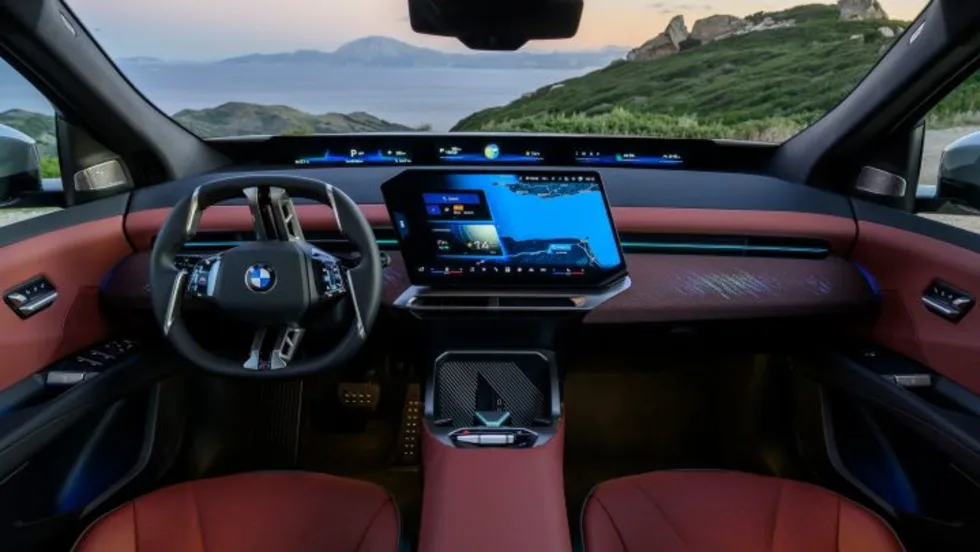
Slow to Robo
Ten years of polling consumers shows autonomous vehicles’ profiles have risen considerably, but even more people now want at least some level of control if they go that route.
Read More →
Dealers a Little Down
A third-quarter Cox Automotive survey finds them in a mixed mood, bummed by fallen customer traffic but encouraged by better profits, costs and EV interest.
Read More →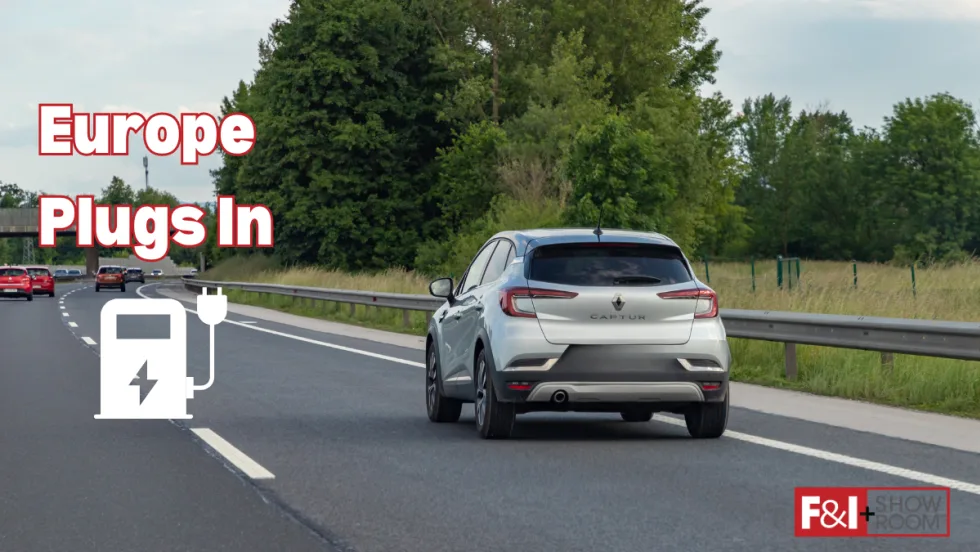
European EV Sales Skyrocket
The EV market on the continent held strong in July with almost 25% of new-car sales being fully electric units, a stark contrast to the U.S., where EV sales declined about 42%.
Read More →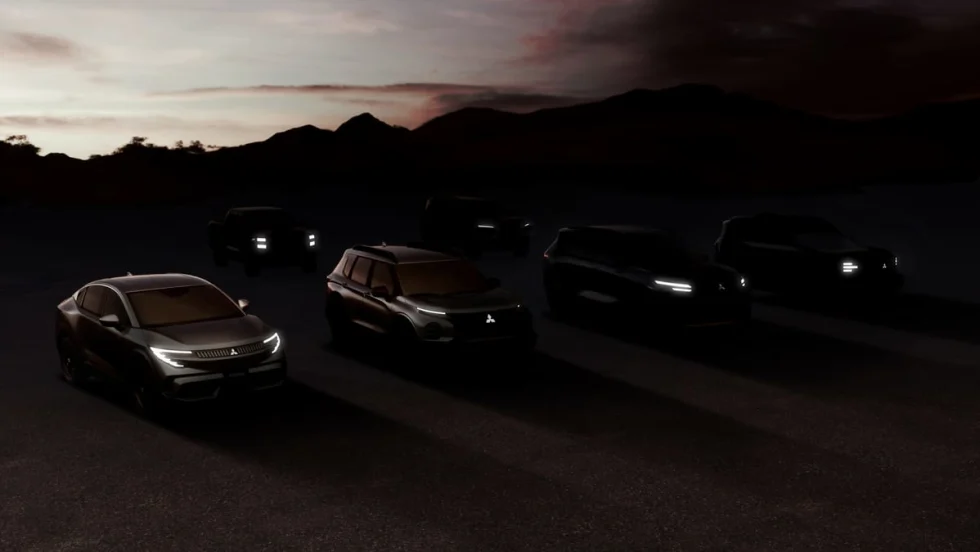
Mitsubishi Unveils U.S. Plan
The automaker announced a strategy that includes an expanded lineup and dealership presence, along with more ‘rugged’ and electric models.
Read More →
Used Lots Getting the Business
Many consumers are seeking out the units to save money, and the demand – higher in July than normal – is keeping supply limited and prices up.
Read More →
Used Market Stabilizes
The Carfax Used Car Index noted a major drop in used-vehicle price increases in July after several months of hikes.
Read More →