



Calif. Could Require Speed Warnings in New Cars
Bill that’s passed one state legislative house would mandate visual, audible warnings when a car exceeds a speed limit by more than 10 mph.

The assembly must pass its version of the bill by Aug. 31 if it’s to advance this session.
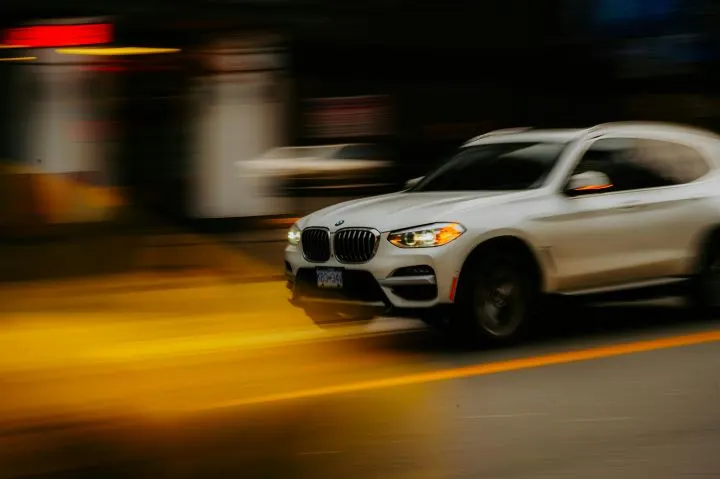
Pexels/Luke Miller
A California bill that would require new vehicles to have what’s known as passive speed limiters, or warning signals when the vehicle exceeds posted speed limits, passed one house of the state legislature.
The state senate bill, introduced by Sen. Scott Wiener, D-San Francisco, passed the senate chamber on May 21 by a vote of 22 to 13. If passed by the state assembly and signed by the governor, it would require that all new passenger cars, trucks and buses made or sold in California be equipped with the speed limiters starting in 2032, including a 50% phase-in by 2029.
The technology is also known variously as a passive speed governor and passive Intelligent Speed Assistance, or ISA. Passive is the key word in the term, meaning the devices don’t actually limit vehicle speed but instead warn the driver if he or she exceeds a speed limit by a certain number of mph. Senate Bill 961 would require audible and visual warnings if a vehicle exceeds a posted speed limit by more than 10 mph.
Wiener, in announcing senate passage of the bill, said in a press release that it follows a recommendation by the National Transportation Safety Board to require such technology in new vehicles. He pointed to research that shows speeding dramatically increases the chance of a fatal crash, including a 2023 state Office of Traffic Safety report that a third of traffic California fatalities from 2017 to 2021 involved speed and indicating a 23% increase in speed-related crashes from 2019 to 2022.
The assembly must pass its version of the bill by Aug. 31 if it’s to advance this session.
As is the case with many legislative firsts, California regulatory moves tend to influence other states, causing a ripple effect throughout much of the country, so the action, if it becomes law, could ultimately make such speed-dampening technology standard in the industry.
The European Union will require the technology in vehicles sold there starting this July.
Originally posted on Auto Dealer Today
More Industry
Connection Drives Consideration
Convenience and safety are top priorities for American drivers when it comes to connected vehicles and the services they expect with their next car.
Read More →
New-Vehicle Prices Stay Put
Affordability pressures and model availability shaped new-vehicle sales in September, according to an analysis by Kelley Blue Book.
Read More →
EV Buyer Consideration Shifts
What drives American consumers to purchase an electric vehicle is shifting as the question moves away from Should I?' to 'Which features and experience do I want to have?'
Read More →
Auto Nameplate Loyalty Holds in Tough Times
Consumers have been faithful to brands despite financial pressures, and JD Power says that’s because automakers have made some wise moves.
Read More →
Top New Jersey RV Store Sells
Myer’s RV Superstore is expanding its footprint in the state with two new locations that it acquired from Ed Hutchinson Jr.
Read More →
Alliance Analyzes Technician Pipeline
A new industry report examines the state of skilled trades in the U.S. and details the drivers of demand for automotive repair and how technicians enter and grow in the workforce.
Read More →
Luxury Rooftop Changes Hands
Genesis of Glenview is getting a new owner and a new location, but its name will stay the same.
Read More →
Future-Proof Your Business
A new industry outlook details several ways that automotive companies can use the rise in artificial intelligence and advanced technologies to their advantage.
Read More →
Dealership Buy-Sells Keep Going Up
First-half transactions reflect continued high appetite for acquisitions despite falling profits, the most sought-after franchises bringing record prices.
Read More →
California Makes Electric Moves
New laws in the Golden State aim to advance consumer access to public electric-vehicle chargers and reduce costs and barriers to its infrastructure.
Read More →