



Calif. Dealers Resist Lincoln Facility Rules
The California New Car Dealers Association is pushing back against factory policies threatening financial penalties for failing to build standalone Lincoln stores.

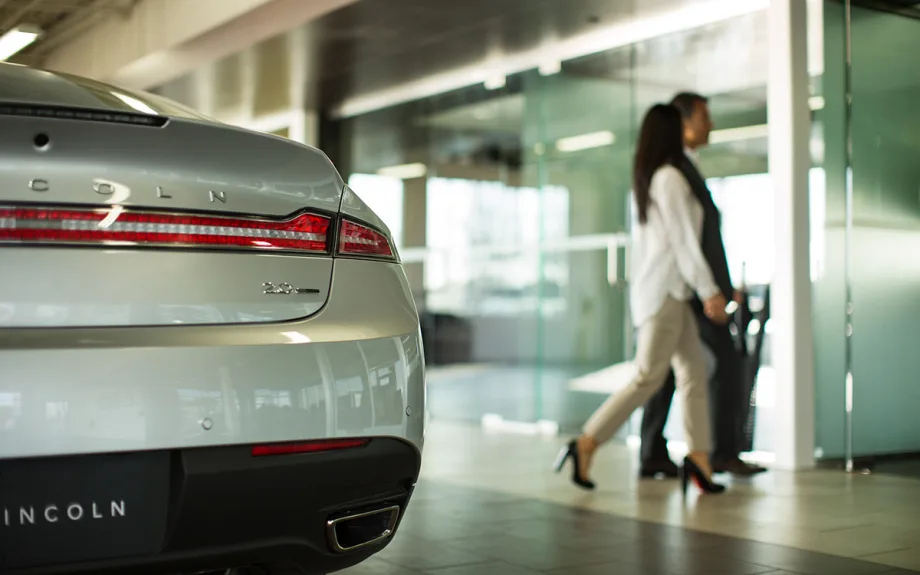
Factory executives have cited research showing the majority of luxury-vehicle buyers prefer to shop in dedicated spaces as they urge Ford dealers to build standalone Lincoln showrooms.
Photo courtesy Lincoln Motor Co.
SACRAMENTO, Calif. — California New Car Dealers Association President Brian Maas has sent a letter asking Ford Motor Co. CEO Jim Hackett to reverse policies threatening to withhold margin, co-op payments, and Black Label editions of Lincoln vehicles to dealers operating dual facilities who fail to build standalone showrooms for Ford’s luxury brand, according to an Automotive News report.
The letter is part of the CNCDA’s response to a series of communications sent by Ford to 150 dealers in Lincoln’s 30 biggest U.S. markets between April and August of this year. Citing research showing highline buyers prefer to visit dedicated spaces, the factory reversed a decade’s worth of policies promoting shared facilities, threatening to withhold $100,000 annual co-op payments, 3.5% of margin on new-vehicle sales, and Black Label editions of Lincoln vehicles from dealers who don’t already stock them, the report said.
Maas is quoted as sharing “serious concerns” about the new policies in his letter, which requests a response from Hackett by Dec. 8.
“By withholding 3.5% of a dealer’s margin, Ford/Lincoln penalizes each dealer that operates a dual Ford-Lincoln facility hundreds of thousands of dollars per year,” he wrote, in part. “This could push many otherwise profitable dealers into the red.”
Maas also claims Ford’s policies violate a section of California’s franchise laws restricting factories from requiring standalone facilities under “unreasonable” circumstances.
“It is plainly apparent that Ford/Lincoln is implementing these policies to coerce dealers into separating their dualed Ford-Lincoln dealerships,” he wrote, according to the report.
Originally posted on Auto Dealer Today
More Showroom
California Sees Quarterly Gains
California’s new-vehicle market saw a boost in hybrids in the third quarter and its first overall quarterly market gain of the year.
Read More →
New-Vehicle Prices Stay Put
Affordability pressures and model availability shaped new-vehicle sales in September, according to an analysis by Kelley Blue Book.
Read More →
EV Buyer Consideration Shifts
What drives American consumers to purchase an electric vehicle is shifting as the question moves away from Should I?' to 'Which features and experience do I want to have?'
Read More →
Year-to-Date Auto Sales Holding Their Own
A forecast through August shows that automakers have shifted strategies to keep deliveries and revenues up despite tariffs and other economic challenges.
Read More →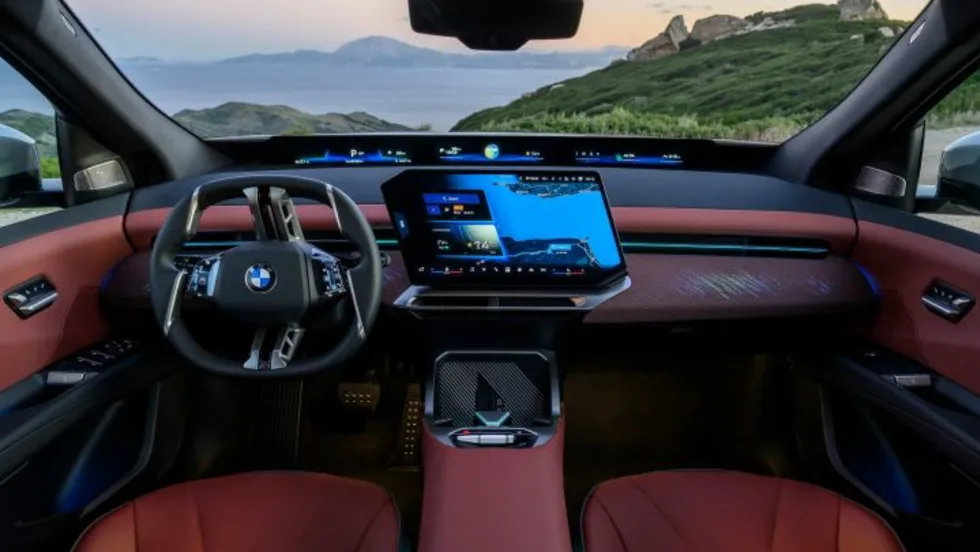
Slow to Robo
Ten years of polling consumers shows autonomous vehicles’ profiles have risen considerably, but even more people now want at least some level of control if they go that route.
Read More →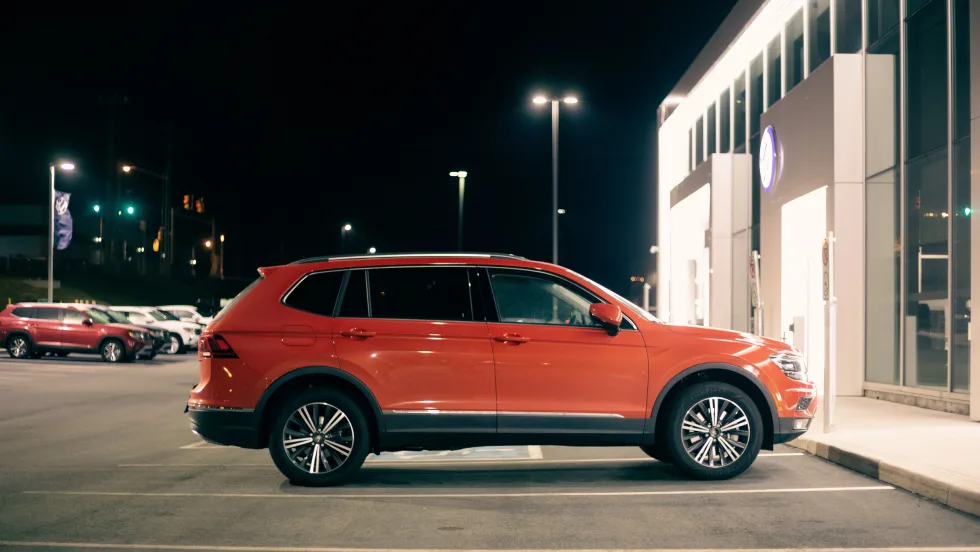
Dealers a Little Down
A third-quarter Cox Automotive survey finds them in a mixed mood, bummed by fallen customer traffic but encouraged by better profits, costs and EV interest.
Read More →
European EV Sales Skyrocket
The EV market on the continent held strong in July with almost 25% of new-car sales being fully electric units, a stark contrast to the U.S., where EV sales declined about 42%.
Read More →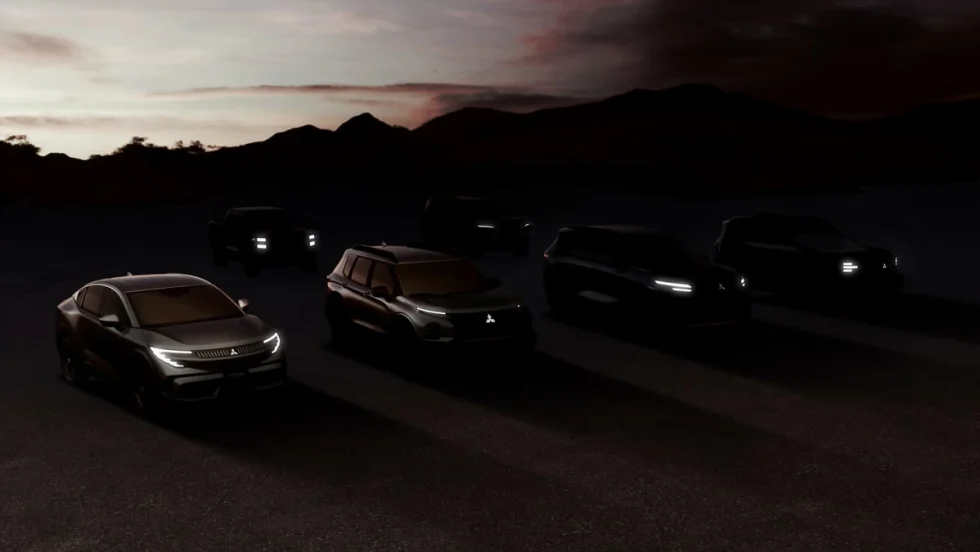
Mitsubishi Unveils U.S. Plan
The automaker announced a strategy that includes an expanded lineup and dealership presence, along with more ‘rugged’ and electric models.
Read More →
Used Lots Getting the Business
Many consumers are seeking out the units to save money, and the demand – higher in July than normal – is keeping supply limited and prices up.
Read More →
Used Market Stabilizes
The Carfax Used Car Index noted a major drop in used-vehicle price increases in July after several months of hikes.
Read More →