



Cox Automotive: Interest in EVs and Hybrids Spike As Fuel Prices Rapidly Increase
The added cost to fill up impacts everyone differently, and high prices tend to drive further interest in fuel-efficient vehicles and, of late, electric vehicle solutions.

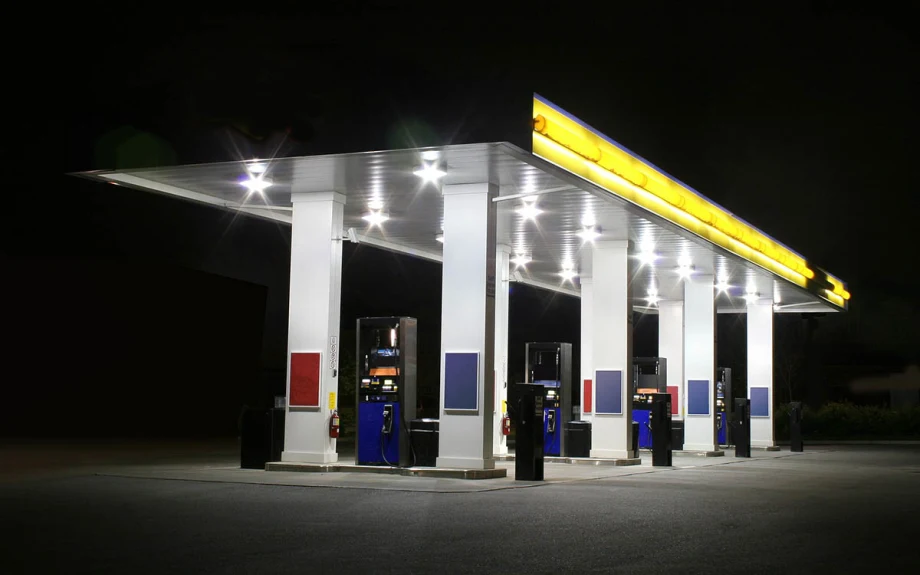
The added cost to fill up impacts everyone differently, and high prices tend to drive further interest in fuel-efficient vehicles and, of late, electric vehicle solutions.
IMAGE: Flickr.com
COX AUTOMOTIVE – The national average price for a gallon of gas moved above $4.00 and into record territory in early March, and American drivers – and media – took notice. Higher fuel costs are already adding to inflation woes, leading state and national leaders to call for “gas tax holidays” and potentially more stimulus to offset the rising costs.
The added cost to fill up impacts everyone differently, and high prices tend to drive further interest in fuel-efficient vehicles and, of late, electric vehicle solutions. Vehicle shopping traffic in the early weeks of March on Cox Automotive’s popular Autotrader and Kelley Blue Book websites, among the largest car-buying sites in the country, showed:
EV shopping consideration rose 69% from January, when gas prices started to rise.
Shopping consideration for hybrids increased 32% from the beginning of the year.
Shopping for fuel-efficient subcompact and compact sedans increased 16%.
EV shopping consideration spiked the most among non-luxury buyers – those most impacted by higher gas prices – and for electric SUVs versus cars.
Car shoppers in the West, where gas prices are among the highest in the country and EVs are more common and accepted, showed the biggest spike in interest in EVs. The South also showed much higher interest in EVs than earlier.
But there’s one problem: New vehicles of all types are in short supply due to numerous supply chain disruptions in the past year, most notably the global computer chip shortage. More to the point: EVs, hybrids and small fuel-efficient cars are among the vehicles with the tightest supply, and there’s little indication the inventory situation will improve in the foreseeable future with further disruptions just this month caused by the BA.2 variant of COVID spreading in Asia, the Russian invasion of Ukraine and a recent earthquake in Japan.
As Cox Automotive Executive Analyst Michelle Krebs notes, “Cox Automotive data was showing a general rise in interest for EVs and hybrids even before the spike in gas prices. While high fuel costs may further accelerate the interest in fuel efficient vehicles, it is too early to tell if it will permanently change buying behavior. Near term, changing driving habits and gas consumption may be the only options for consumers.”
In other words, the U.S. auto market is still being driven by inventory, not the price at the pump.
Originally posted on Auto Dealer Today
More Showroom

California Sees Quarterly Gains
California’s new-vehicle market saw a boost in hybrids in the third quarter and its first overall quarterly market gain of the year.
Read More →
New-Vehicle Prices Stay Put
Affordability pressures and model availability shaped new-vehicle sales in September, according to an analysis by Kelley Blue Book.
Read More →
EV Buyer Consideration Shifts
What drives American consumers to purchase an electric vehicle is shifting as the question moves away from Should I?' to 'Which features and experience do I want to have?'
Read More →
Year-to-Date Auto Sales Holding Their Own
A forecast through August shows that automakers have shifted strategies to keep deliveries and revenues up despite tariffs and other economic challenges.
Read More →
Slow to Robo
Ten years of polling consumers shows autonomous vehicles’ profiles have risen considerably, but even more people now want at least some level of control if they go that route.
Read More →
Dealers a Little Down
A third-quarter Cox Automotive survey finds them in a mixed mood, bummed by fallen customer traffic but encouraged by better profits, costs and EV interest.
Read More →
European EV Sales Skyrocket
The EV market on the continent held strong in July with almost 25% of new-car sales being fully electric units, a stark contrast to the U.S., where EV sales declined about 42%.
Read More →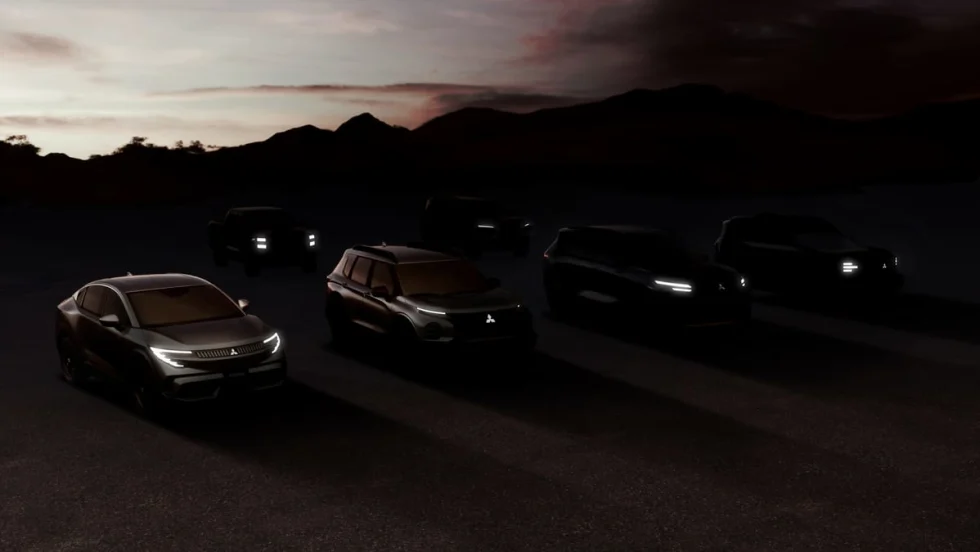
Mitsubishi Unveils U.S. Plan
The automaker announced a strategy that includes an expanded lineup and dealership presence, along with more ‘rugged’ and electric models.
Read More →
Used Lots Getting the Business
Many consumers are seeking out the units to save money, and the demand – higher in July than normal – is keeping supply limited and prices up.
Read More →
Used Market Stabilizes
The Carfax Used Car Index noted a major drop in used-vehicle price increases in July after several months of hikes.
Read More →