



Deadliest Models Listed in Report
IIHS findings show certain categories more dangerous, some specifically for other vehicles’ drivers.

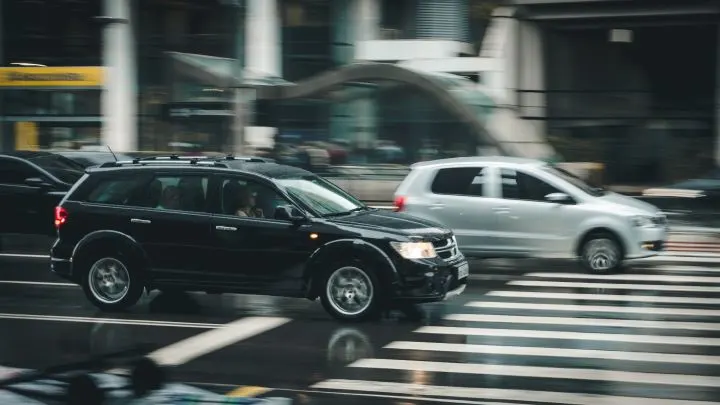
Seven of the 20 models with the highest other-driver death rates are large pickups, and another four are midsize SUVs.
IMAGE: Pexels/Kaique Rocha
Small cars and those with “muscle” images are among the deadliest models on the road, according to a report by the Insurance Institute for Highway Safety.
The nonprofit group released a list of driver death rates organized by make and model that shows six of the 21 vehicles with the highest driver death rates among 2020 models are considered to be “hot rod” brands: Chevrolet Camaro, the Dodge Challenger and Charger, and Ford Mustang, IIHS said in a press release about its findings.
It said that eight other models on this year’s deadliest list are small cars.
IIHS has examined driver death rates about every three years since 1989. It sources the number of deaths from the federal Fatality Analysis Reporting System and gets registration data from IHS Markit.
The group includes only driver deaths, since all operated vehicles have drivers but not all have passengers or the same number of passengers.
“We typically find that smaller vehicles have high driver death rates because they don’t provide as much protection, especially in crashes with larger, heavier SUVs and pickups,” said IIHS President David Harkey. “The muscle cars on this list highlight that a vehicle’s image and how it is marketed can also contribute to crash risk.”
IIHS added a list this year of the best and worst models based on drivers of other vehicles killed in accidents involving them. Eighteen of the 23 vehicles with the lowest driver death rates are minivans or SUVs, and 12 are luxury vehicles, it said.
“Using that lens, the story of big and small is partially reversed,” the report said, “illustrating the danger that large vehicles pose to other road users. But three Dodge muscle cars with excessively high driver death rates also rank among the worst performers when it comes to other-driver deaths, suggesting these vehicles are driven in an aggressive manner.”
IIHS said that seven of the 20 models with the highest other-driver death rates are large pickups, and another four are midsize SUVs, which aren’t among the deadliest for their own drivers.
Originally posted on Auto Dealer Today
More F&I

AI: Facilitator, Not Fixer, in F&I
The dealerships that thrive in the years ahead will be those that embrace technology while continuing to invest in the people who make customer interactions count.
Read More →
Modern Technology Objection Handling
In this video, Trent White shares how to confidently handle technology-based objections by helping customers understand the value of protection, even with modern vehicle technology.
Read More →
Consistency at Scale: Driving F&I Performance
With 75 rooftops across the Sunshine State, Morgan Auto Group has proven to Floridians that it knows a thing or two about driving performance in a competitive market. But it didn’t start at the top.
Read More →
Gitty Up on GAP
The foundational finance-and-insurance product hasn’t kept up with the latest conditions for auto dealers. Is the time ripe?
Read More →
How AI-Powered Coaching Is Transforming F&I Performance
See how AI-powered coaching can turn F&I customer conversations into actionable insights that support compliance, performance and profitability
Read More →
Sell Value, Build Trust
In this video, Trent White explains why selling on value, not fear, builds lasting customer trust, reduces cancellations, and drives long-term success.
Read More →
F&I Sales Give Dealers First-Half Lift
Product business shored up total profits to avoid an overall revenue tanking as product penetrations held steady, StoneEagle reported.
Read More →
Targeted Training Drives Results
Today’s technology, instead of threatening F&I managers, can actually make them better, according to an industry veteran who’s watched market setbacks roil the unprepared.
Read More →
Double the Change, Double the Chance
When an F&I manager gets a customer refusal, it’s a wise move to tweak more than one thing in the product offering.
Read More →
Just Do It
F&I managers need training, but instead of resisting application or expecting perfection, they should improve by simply acting on what they learn.
Read More →